Engineered to meet the stringent safety codes of Latvia's State Fire and Rescue Service (VUGD) and EN European standards.
Latvia, alongside its Baltic neighbors Lithuania and Estonia, is undergoing an unprecedented transition to clean energy. With the European Green Deal driving national strategies and the goal to eliminate energy imports, industrial rooftop and ground-mounted solar installations have experienced exponential growth. Utility infrastructure networks operated by Sadales Tīkls have updated their network connection codes, requiring more robust overcurrent, grid synchronization, and rapid DC decoupling solutions than ever before.
However, Latvia's climatic extremes pose highly specialized challenges. Photovoltaic systems operating in Latvia must withstand heavy snowfall, ice accumulation, and ambient temperatures dropping to -30°C in the winter, and rising to +35°C in the summer. Under these conditions, the electrical load dynamics within DC isolators and safety switches are severe. Thermomechanical stress on contacts can cause micro-arcs, which, if not isolated by specialized DC safety switches, lead to catastrophic thermal runaways and fire hazards.
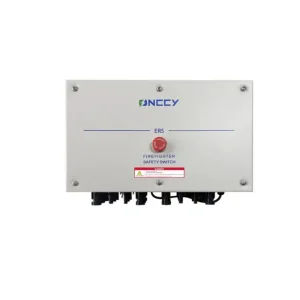
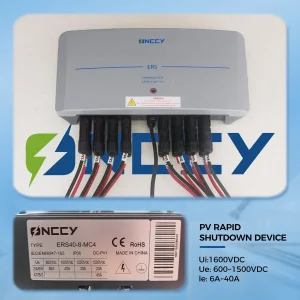
Regulatory Compliance Warning (VUGD Latvia): According to Latvian building codes and fire safety regulations supervised by the State Fire and Rescue Service (Valsts ugunsdzēsības un glābšanas dienests - VUGD), solar PV systems must have accessible DC isolation mechanisms (firefighter safety switches) at the boundary point where cables enter the building envelope. This ensures that in the event of an emergency, firefighters can isolate high-voltage DC arrays (up to 1500V) with a single emergency stop button.
Initially, basic AC disconnect switches on the inverter side were deemed sufficient. Modern high-power systems run at voltages up to 1500V DC. Even when the AC grid is disconnected, the PV panels continue to output high-voltage DC power. To mitigate this risk, international standards have evolved:
Foshan SDEV Charger Co., Ltd. is a trusted manufacturer of protective components for photovoltaic systems across the globe. Our experience of working in the electrical industry for more than 30 years allows us to create solar DC components that comply with the latest DC standards. Through our focus on solar DC protection design, production, and marketing, we can bring brand-building PV protection solutions.
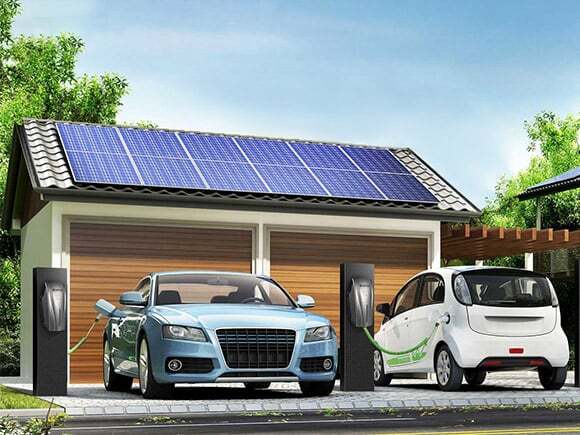
With the inheritance of 30+ years of experience in the research and production of DC protection products, we are continuously dedicated to the EV charging field. In recent years, SDEV has attentively invested resources in research on EV-related products, successively manufacturing other types of products, thus reaping wide market popularity across the world.
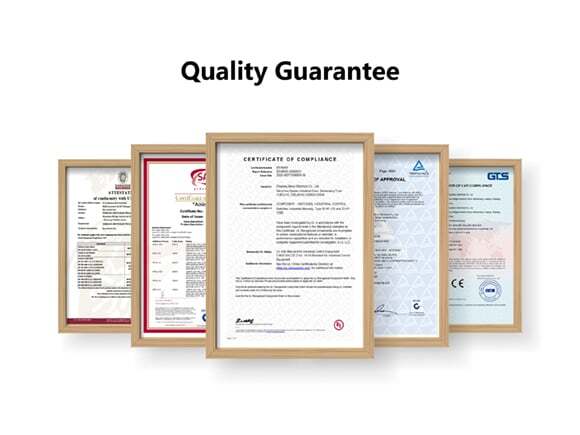
Quality is the primary goal among each of our workshops since this leads to the best performance and safety for any Solar, Storage, and EV charging system. Our commitment to quality increased brand awareness for your company. To achieve our goal, our factory and products comply with UL, SAA, CB, CE, TUV, ISO, and RoHS standards.
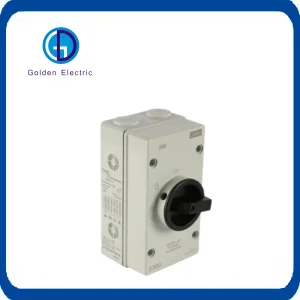
Achieving our goals come from formulating new products based on the market demands through our in-house R&D team. Our efforts have led to our first UL508i listed patented DC switch within china and the DC-PV2 DC switch produced for the global market. With our cutting-edge PV protective products and EV chargers, we aim to create a long-term partnership with many renewables companies.

The global transition to high-power solar arrays has amplified the procurement challenge for European distributors and engineering, procurement, and construction (EPC) companies. SDEV bridges the gap between premium compliance standards and manufacturing cost-efficiency through our highly integrated supply chain based in Foshan, China.
SDEV designs custom magnetic arc blowout systems that split and quench hazardous DC arcs in under 5 milliseconds.
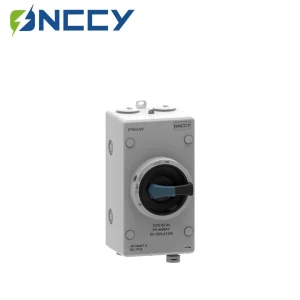
Using premium UV-resistant polycarbonate with IP66 seals to handle sub-zero Baltic snow loads and high humidity.
100% of our safety switches undergo rigorous high-voltage insulation tests before dispatch, ensuring zero-defect delivery.
Leveraging automated production processes in our ISO9001 factory, we minimize assembly variances that could cause high contact resistance over time. By maintaining strict control over component manufacturing, we offer customizable terminal footprints, bracket integrations, and branding opportunities for private label distributors in Riga and other European markets.
Furthermore, SDEV's strategic location facilitates direct freight forwarding to major European ports, offering seamless custom clearance integrations and DDP/CIF delivery schedules that align with strict EPC project timelines.
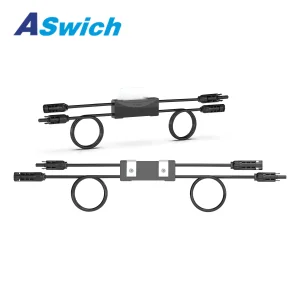
Explore our full line of waterproof switches, multi-string disconnects, and array-level rapid shutdown systems.
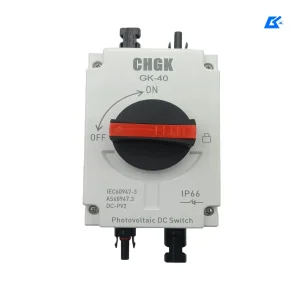
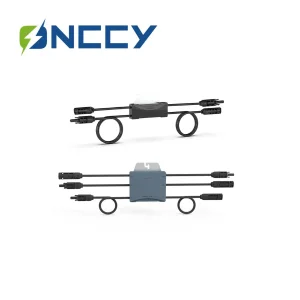
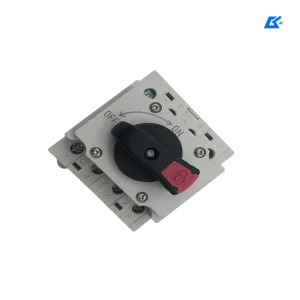
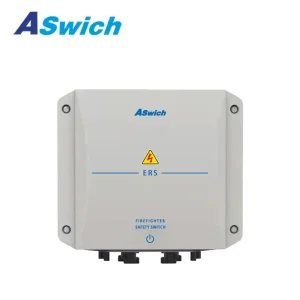
When engineering high-voltage DC distribution systems in Northern European areas like Latvia, components face environmental impacts that do not exist in southern latitudes. Standard solar panels and disconnects are rated for broad ambient zones, but real-world operations demand highly specific designs.
The transition between cold Baltic nights (-25°C) and rapid solar solar thermal gain in early spring mornings creates micro-condensation cycles inside electrical enclosures. Standard IP65 switches lack sufficient pressure stabilization, causing moist air to get sucked through gaskets, resulting in internal condensation. This condensation can cause short circuits across the high-voltage DC terminals.
SDEV addresses this problem by utilizing IP66 breathable vents in our outdoor switch housings. These valves allow vapor pressure equalization without admitting liquid moisture, keeping the internal environment dry and preventing corrosion of silver-plated copper contacts.
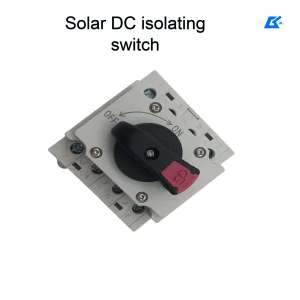
DC current differs from AC current because it does not cross a zero point naturally. Sustaining a 1000V to 1500V DC load generates continuous, highly destructive electric arcs when contacts separate. In agricultural applications in regions like Kurzeme or Zemgale, dust accumulation can increase fire risks if these arcs are not suppressed immediately.
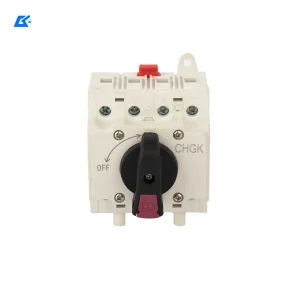
Our UL508i-listed switches incorporate permanent magnet systems. The magnetic field exerts a physical Lorentz force on the arc, driving it into cooling grids within the arc chamber to quench it in milliseconds. This protects the switch mechanism and ensures safety over thousands of switching operations.
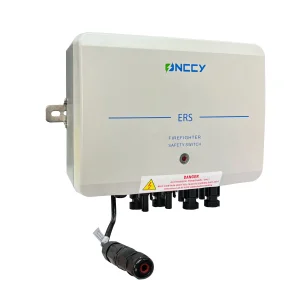
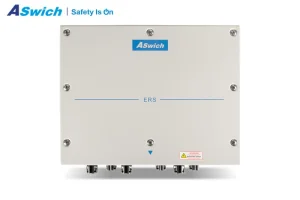
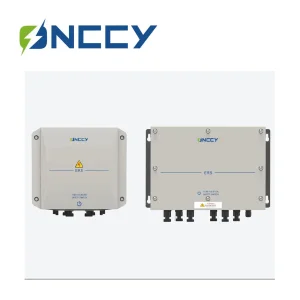
Under VUGD rules in Latvia, C&I structures must have clearly visible disconnect controls. The integration of SDEV Firefighter Safety Switches allows the DC strings to be decoupled automatically if mains power fails or if an emergency button is pressed. When local fire services pull the main AC grid connection to fight a building fire, the loss of AC power triggers our Rapid Shutdown Switch to disconnect the DC lines within seconds, preventing shock hazards for emergency personnel.
Partner directly with SDEV for factory-direct prices, reliable EU standards compliance, and customizable safety components engineered for northern climates.
 SDEV Charger