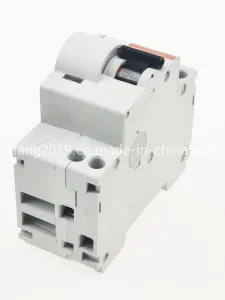
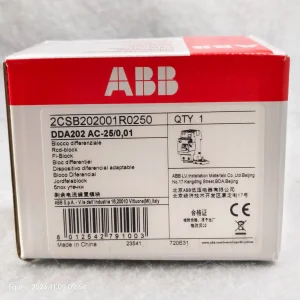
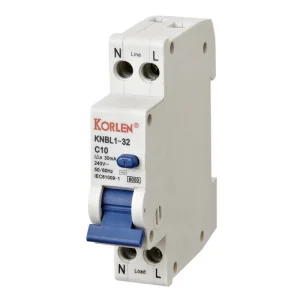
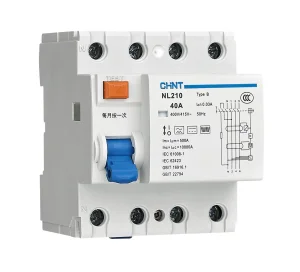
Munich, as Germany's high-tech capital, is at the forefront of the Energiewende (Energy Transition). From the automotive giants in Bavaria to the burgeoning green hydrogen and solar sectors, the demand for DC Residual Current Devices (RCDs) has never been higher. Standard Type A RCDs often fail to detect smooth DC residual currents, creating significant safety risks in modern Munich infrastructure.
As a leading supplier, we understand that Munich's industrial landscape requires Type B RCDs capable of detecting residual currents up to 2kHz and handling smooth DC faults. This is critical for EV charging stations (charging mode 3) and solar photovoltaic systems where safety compliance with DIN VDE 0100-722 is mandatory.
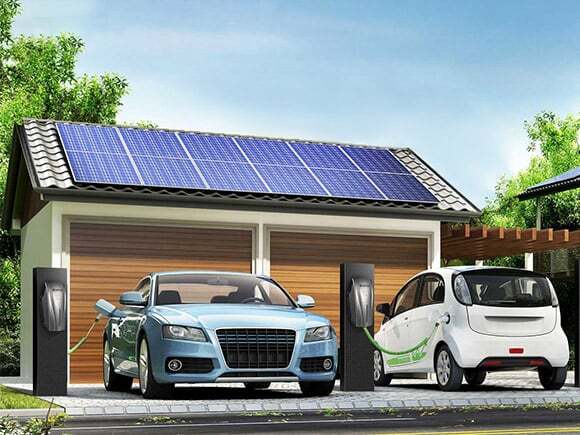
Foshan SDEV Charger Co., Ltd. brings 30+ years of manufacturing excellence to the European market, specializing in DC protection for complex power grids.
With Munich's push for "E-Mobility," our Type B RCDs provide crucial protection for DC charging piles, preventing electrical shock and fire hazards caused by DC leakage into the AC side of the grid.
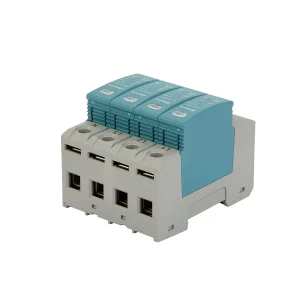
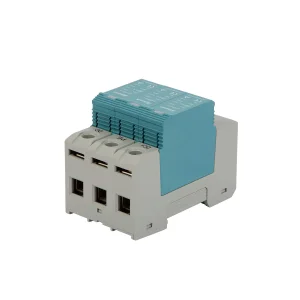
In residential and commercial solar installations across Bavaria, DC surge protection and RCDs are the last line of defense for expensive inverters and battery storage systems.
Munich's robotics and automated manufacturing plants rely on DC power. Our devices ensure zero downtime by providing high-precision monitoring and fast tripping for DC faults.
While local German suppliers offer high-quality components, Chinese Tier-1 factories like SDEV provide a unique "Information Gain" advantage. We combine the agility of the global supply chain with rigorous international standards (UL, CE, TUV). By sourcing directly from a trusted factory, Munich-based developers can reduce costs by 20-40% without compromising on technical specifications like 6kA-10kA breaking capacity or 30mA trip sensitivity.
Foshan SDEV Charger Co., Ltd. is a trusted manufacturer of protective components for photovoltaic systems across the globe. Our experience of working in the electrical industry for more than 30 years allows us to create solar DC components that comply with the latest DC standards. Through our focus on solar DC protection design, production, and marketing, we can bring brand-building PV protection solutions.
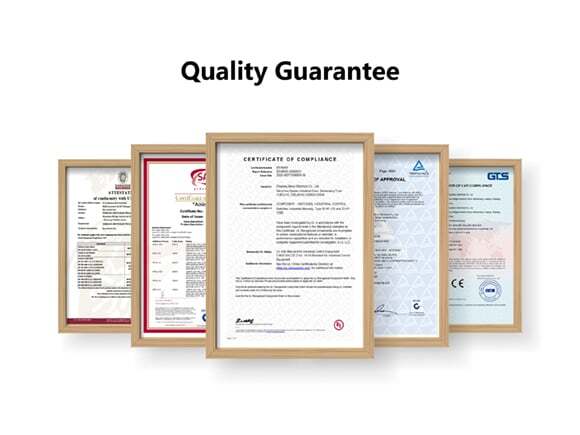
Quality is the primary goal among each of our workshops since this leads to the best performance and safety for any Solar, Storage, and EV charging system. Our commitment to quality increased brand awareness for your company. To achieve our goal, our factory and products comply with UL, SAA, CB, CE, TUV, ISO, and RoHS standards.
Get Technical SpecsIn the context of Munich's Smart City 2030 initiative, the integration of DC power is becoming ubiquitous. Traditional AC-only protection is no longer sufficient. Our RCDs are engineered for:

Our in-house R&D team staying updated on market trends to deliver cutting-edge PV protective products.
Whether you are a procurement manager for a Munich-based EV charger network or a solar farm contractor in the Alpine region, our solution portfolio covers:
Affordable, compact DC SPD and RCD combinations for rooftop solar arrays.
Heavy-duty 1500V surge protection systems designed for continuous operation.
Custom-branded protection components for European electrical wholesalers.
Type A RCDs are designed for pulsating AC. EV chargers can leak pure DC into the system, which can "blind" or saturate a Type A RCD's transformer, preventing it from tripping during a real fault. Type B RCDs, like the ones SDEV supplies, are mandatory in Munich to detect both AC and smooth DC residual currents.
For standard components, air freight to Munich (MUC) takes 5-7 business days. For large-scale industrial projects, sea freight to Hamburg or Rotterdam followed by rail to Munich takes 30-40 days. We also offer buffer stock options for long-term partners.
Yes, our products are engineered to exceed IEC 62423 standards, which form the basis for DIN VDE 0100-722 in Germany, ensuring safety for electrical installations at EV charging locations.
Absolutely. Through our in-house R&D, we can adjust tripping thresholds and time-delay characteristics to match the specific leakage profile of your industrial equipment, reducing nuisance tripping while maintaining safety.
 SDEV Charger