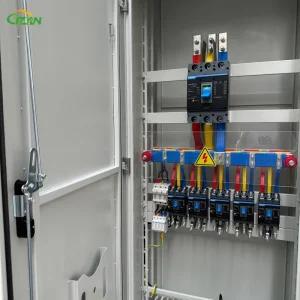
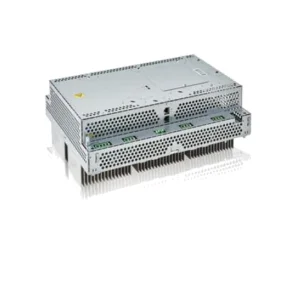
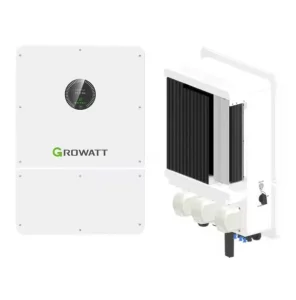
Engineered to deliver structural safety, high voltage endurance, and reliable transmission under the most severe environmental stresses.
Foshan SDEV Charger Co., Ltd. is a globally trusted manufacturer and developer of premium protective components and systems integration solutions for solar photovoltaic installations. With a heritage spanning more than three decades in the electrical power industry, SDEV specializes in engineered solar DC protection components that are fully compliant with the latest global DC operating standards.
Leveraging our deep institutional knowledge of electrical isolation and circuit protection, SDEV continues to innovate in the rapidly expanding Electric Vehicle (EV) charging technology market. SDEV has strategically channeled substantial resources into developing state-of-the-art charging structures and components, earning prestigious recognition across competitive international markets.
Our core capabilities focus heavily on Solar DC safety diagnostics, manufacturing control systems, and custom combiner panel engineering to reduce installation and Operation & Maintenance (O&M) overhead for global EPCs.
Located in the heart of China’s advanced electrical equipment industrial cluster, SDEV ensures supply chain security, rapid customization, and cost-effectiveness.
Foshan is a global manufacturing center for high-power electronics. By leveraging direct physical proximity to key raw materials, precise terminal suppliers, and tooling centers, SDEV minimizes procurement lead times and significantly reduces costs relative to European and North American factories.
From mold design and precision copper stampings to PCB assembly and environmental chamber diagnostics, we handle everything under one roof. Our internal quality assurance process controls trace defects dynamically, ensuring consistent reliability for demanding PV system environments.
Equipped with highly automated assembly lines, our facility easily accommodates fast scale-ups for large-scale utility projects. This ensures that large-scale infrastructure deployments remain on schedule even during volatile global logistical constraints.
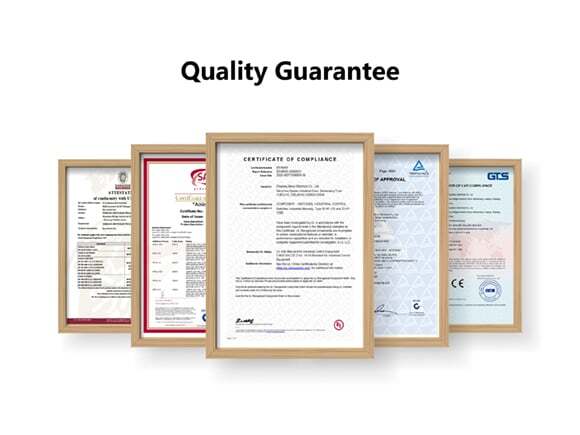
For modern PV system operations, equipment failures pose serious financial and physical risks. To guarantee safety and performance, our manufacturing facility and products comply with strict international regulatory standards, including UL, SAA, CB, CE, TUV, ISO, and RoHS.
Our Quality Management System operates on a zero-defect principle. Each batch of raw materials is rigorously inspected for mechanical integrity, insulation properties, and flame retardancy. This ensures that every combiner box, DC switch, and connector performs reliably under the harsh conditions of solar arrays.
SDEV prioritizes continuous innovation to meet changing energy demands. Our dedicated in-house R&D team works closely with global utility operators to design solutions for key challenges in high-voltage PV arrays.
Our commitment to innovation led to the development of the first UL508i listed patented DC switch within China, as well as our high-performance DC-PV2 disconnect switch for international markets. By constantly refining our product architectures, we offer reliable equipment designed to mitigate thermal risks and electrical faults.

Modern solar power systems integration involves more than simply linking photovoltaic panels to an inverter. The process requires managing complex power flows, handling thermal issues, and ensuring robust electrical safety across a variety of operating conditions. Systems must operate reliably for decades while exposed to dynamic environmental hazards, grid fluctuations, and high DC voltages.
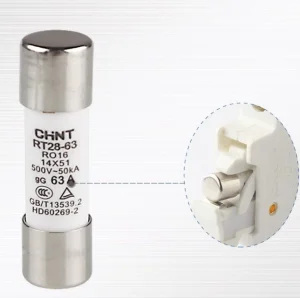
To reduce electrical losses and lower Levelized Cost of Energy (LCOE), modern PV plants are increasingly shifting from 1000V DC architectures to 1500V DC configurations. While this transition reduces cable requirements and installation times, it significantly increases safety concerns regarding electrical arcing. Under these higher voltages, standard fuses and circuit breakers must be designed to safely suppress high-energy DC arcs.
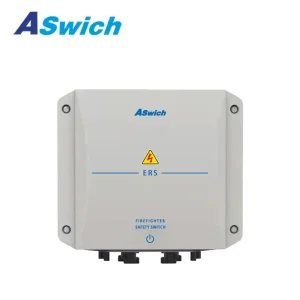
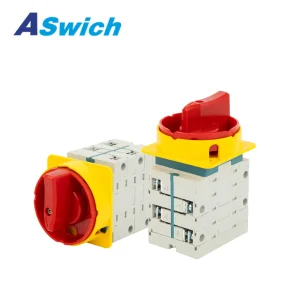
SDEV addresses these challenges with specialized isolation switches and rapid shutdown systems, like our UL508i patented DC switch series. These switches use magnetic arc blowout technologies to quickly extinguish electrical arcs, protecting both system operators and downstream equipment.
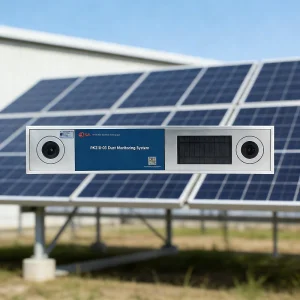
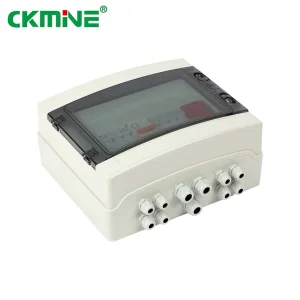
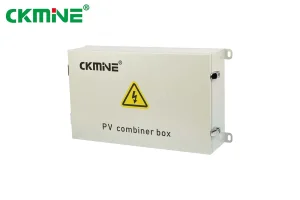
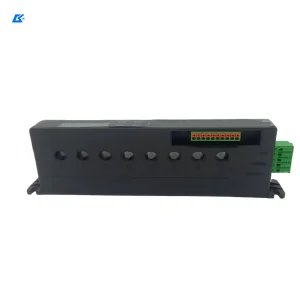
A solar combiner box consolidates multiple PV string inputs into a single main DC output, incorporating essential overcurrent and overvoltage protection. However, modern utility-scale sites require more than basic protection; they need real-time data visibility. Integrating RS485 communication protocols, Modbus RTU telemetry, and intelligent current sensors allows operators to monitor performance at the string level.
By using smart monitoring systems, plant managers can easily track string currents, ambient temperatures, and fuse conditions. This helps detect issues like dust accumulation, shading, or cable degradation, enabling targeted maintenance that minimizes downtime and maintains optimal energy yields.
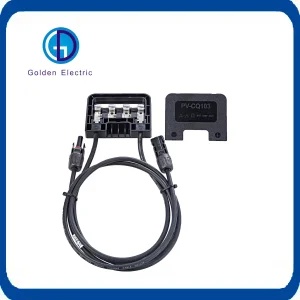
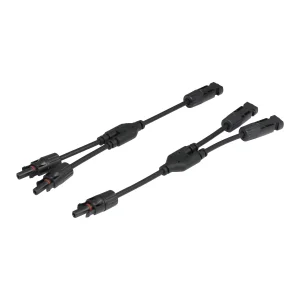
Solar components are routinely subjected to extreme environmental conditions, including desert heat, freezing wind, high humidity, and driving rain. Under these conditions, standard housings can degrade, leading to water ingress and electrical failure. Achieving IP67 sealing for connectors and junction boxes requires high-quality silicone gaskets, precise injection molding, and durable polycarbonate materials.
At SDEV, all outdoor-rated components undergo thorough environmental testing. This includes water immersion testing, UV degradation exposure, and thermal cycle testing from -40°C to +85°C. This ensures that our connectors, junction boxes, and switches maintain their electrical insulation properties over decades of field service.
How SDEV components secure energy flows in distinct localized installation setups worldwide.
Commercial and Industrial projects require reliable safety solutions to protect building assets and personnel. By combining SDEV rapid shutdown switches and IP65 DC combiner boxes with high-efficiency commercial inverters, businesses can ensure safe operation while meeting local firefighter safety codes.
Large-scale solar farms require durable, high-capacity components to handle massive current loads. SDEV's 24-string stainless steel combiner boxes and 1500V DC disconnect switches are designed to manage large energy arrays, while integrated RS485 telemetry connects directly with centralized SCADA systems.
For remote areas and microgrids, energy storage is critical. Our hybrid inverters and DC fuses provide reliable protection and energy management for off-grid battery systems, ensuring stable power delivery even in isolation from the main grid.
Procuring components for utility-scale solar and commercial energy projects requires careful evaluation of safety certifications, supply chain reliability, and long-term performance. Ensuring all components meet strict safety standards is key to maintaining project safety and bankability.
Safety certifications are essential for ensuring international compliance and verifying system safety:
Global supply chain changes can impact project schedules. Procurement managers can mitigate these risks by working with vertically integrated manufacturers who control key stages of production. This model helps maintain consistent quality and ensures reliable delivery times for large-scale projects.
Choosing high-quality, durable components helps minimize maintenance costs and prevents system downtime. Relatable design features, such as IP67-rated connectors and UV-resistant junction boxes, protect solar installations from premature degradation, securing stable performance and lowering overall system costs over time.
Key technical answers regarding SDEV system components, installation criteria, and safety certifications.
Designed for durability and safety under demanding operating conditions.
 SDEV Charger