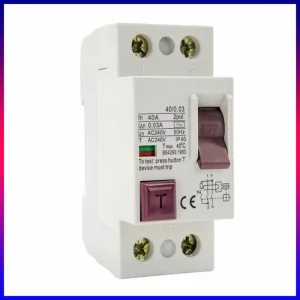
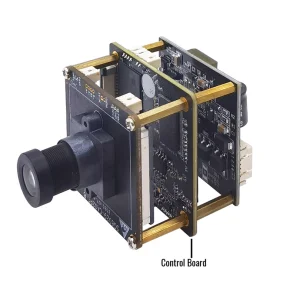
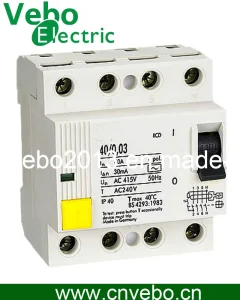
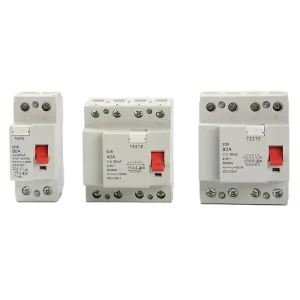
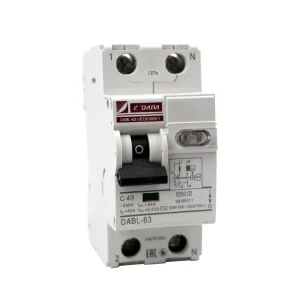
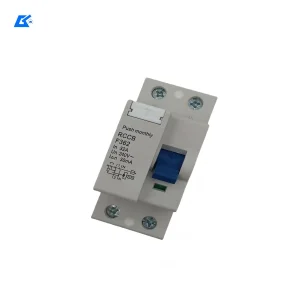
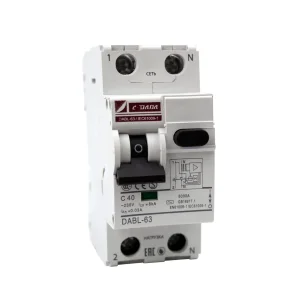
As the world transitions toward a decarbonized economy, the reliance on Direct Current (DC) power has skyrocketed. From the rapid expansion of Electric Vehicle (EV) charging infrastructure to the integration of utility-scale Photovoltaic (PV) systems and Energy Storage Systems (ESS), DC leakage current sensors have become the "silent guardians" of electrical safety.
Globally, the market for DC leakage current sensors is witnessing a compound annual growth rate (CAGR) of over 8.5%. This growth is driven by stringent international safety standards such as IEC 62752 and IEC 62955, which mandate the detection of 6mA DC residual currents in EV charging mode 2 and mode 3. In industrial sectors, the shift toward Industry 4.0 requires high-precision sensors to protect variable frequency drives (VFDs) and medical equipment from hazardous leakage.
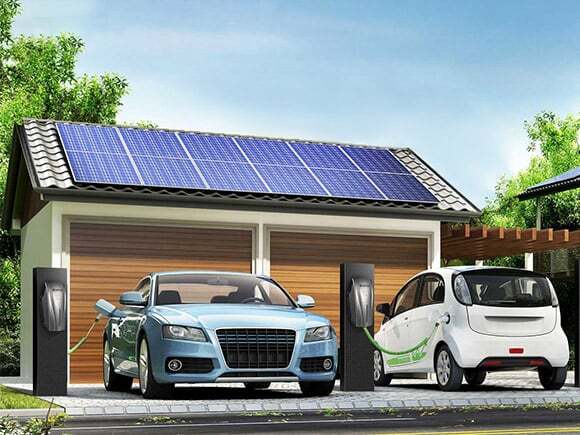
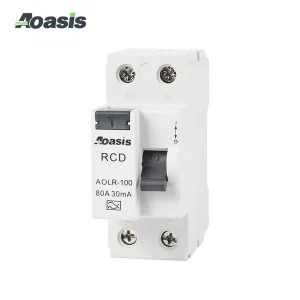
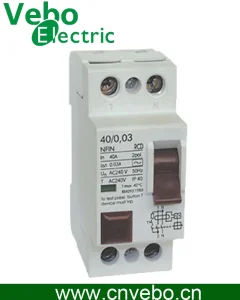
The industry is moving from Type A to Type B RCDs. Our sensors are designed to detect smooth DC leakage, high-frequency AC, and pulsating DC, providing all-around protection for modern electronics.
Modern DC leakage sensors are no longer passive components. They now feature digital outputs (RS485, Modbus) for real-time monitoring and predictive maintenance in smart cities.
With the rise of compact wall-mounted EV chargers, the demand for "Miniature DC Leakage Sensors" is at an all-time high. Our R&D team focuses on high-density PCB integration.
Procurement managers from Europe, North America, and Southeast Asia are increasingly looking for OEM/ODM partners in China who can offer a balance of compliance and cost-efficiency.
Years Experience
Tested Products
Global Patents
Technical Support
Foshan SDEV Charger Co., Ltd. is a trusted manufacturer of protective components for photovoltaic systems across the globe. Our experience of working in the electrical industry for more than 30 years allows us to create solar DC components that comply with the latest DC standards.
Through our focus on solar DC protection design, production, and marketing, we bring brand-building PV protection solutions. With the inheritance of 30+ years of expertise, we have transitioned seamlessly into the EV charging field, manufacturing RCDs and DC sensors that have reaped wide market popularity worldwide.
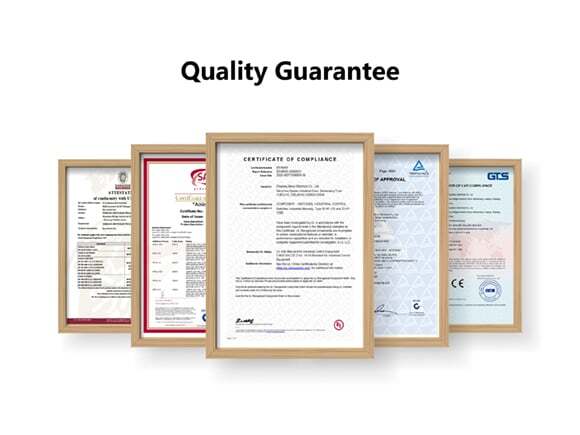
Quality is the primary goal among each of our workshops. Our factory and products comply with UL, SAA, CB, CE, TUV, ISO, and RoHS standards, ensuring the best performance for any Solar, Storage, and EV charging system.

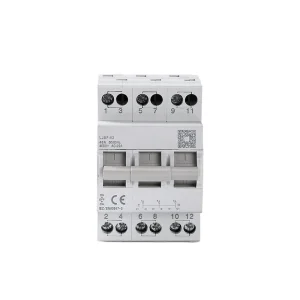
We formulate new products based on market demands through our in-house R&D team. Our efforts led to the first UL508i listed patented DC switch within China.
Whether you need custom sensitivity ranges, specific form factors, or private labeling, our flexible manufacturing lines are optimized for high-mix, low-volume or mass production.
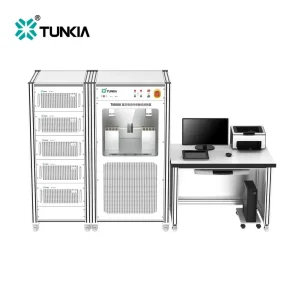
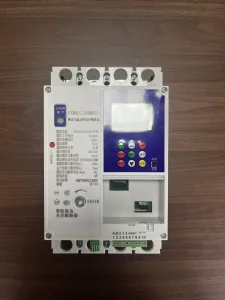
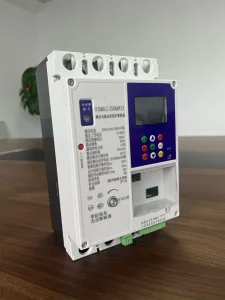
Every sensor undergoes rigorous calibration and temperature rise testing. Our TUNKIA TI5000 and high-current systems ensure that every unit leaving the factory is 100% reliable.
Detecting DC leakage is significantly more complex than AC leakage. While AC leakage can be detected using simple electromagnetic induction, DC leakage requires Fluxgate Technology or Hall Effect Sensors.
SDEV’s DC leakage current sensors utilize high-permeability magnetic cores and advanced signal processing circuits. This allows our sensors to:
PV Inverters: Requirement for transformerless inverters to detect DC components in AC output.
EV Charging: Preventing "blinding" of Type A RCDs by smooth DC leakage current.
Smart Grids: Monitoring insulation resistance in large-scale battery storage banks.
With over three decades of engineering excellence, SDEV is ready to power your next project. From high-precision 6mA DC sensors for EV chargers to heavy-duty industrial RCDs, we offer the technical expertise and manufacturing scale you need.
Custom branding, tailored technical specifications, and bulk pricing for global distributors.
Validate our quality. We provide samples for large-scale industrial and commercial projects.
Get direct access to our engineers for integration support in your EV or Solar systems.
 SDEV Charger