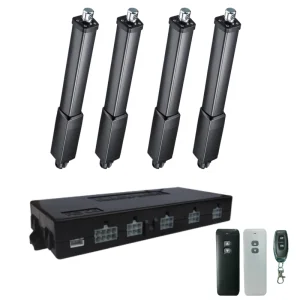
Explore our core tier-one balance of system (BOS) interfaces, heavy-duty disconnects, and industrial components engineered for robust performance in MLPE grid layouts.
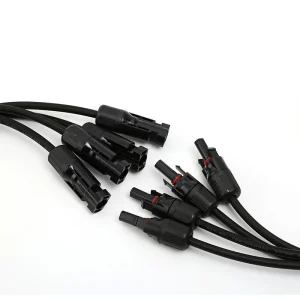
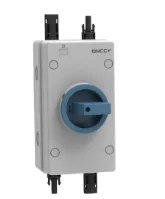
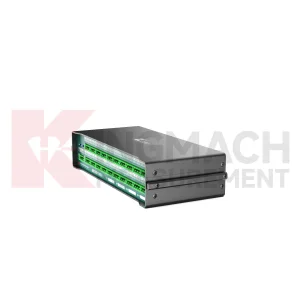
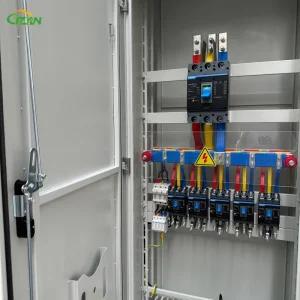
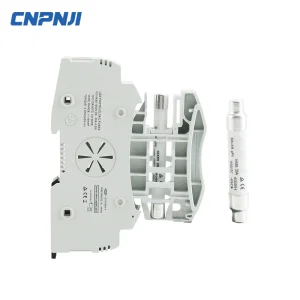
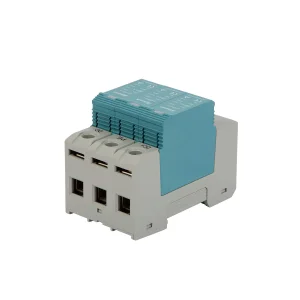
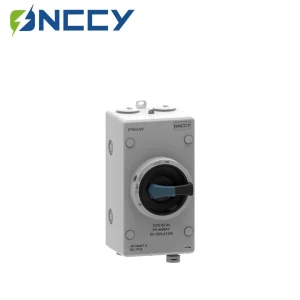
As a pioneer in the global transition toward smart grid decentralization, Foshan SDEV Charger Co., Ltd. stands as a premier manufacturer of protective components for photovoltaic systems across the globe. Our extensive experience of working in the electrical industry for more than 30 years allows us to engineer and manufacture solar DC components that fully comply with the latest DC and AC standards.
By leveraging our deep-seated focus on solar DC protection design, high-quality production, and global marketing, we consistently deliver brand-building PV protection solutions. This foundational expertise guarantees that every deployment, from residential microinverters to utility-scale plants, remains safe, reliable, and compliant under the most demanding environment profiles.
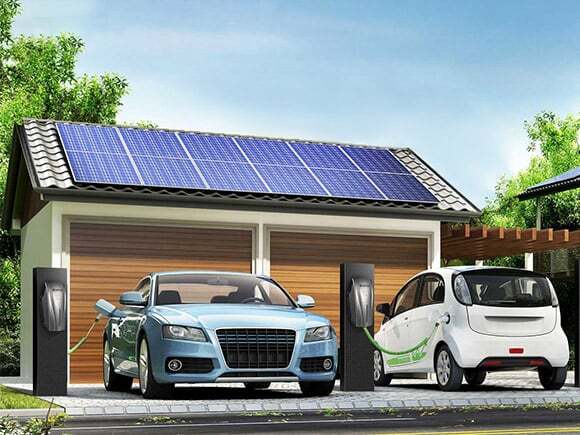
Understanding the tectonic shifts in Module-Level Power Electronics (MLPE) and decentralized energy distribution.
Global regulatory bodies are introducing rigorous standards such as NEC 2020/2023 Article 690.12 in North America, demanding immediate module-level shutdown to eliminate high-voltage DC hazards. Microinverters natively comply by transforming high-voltage DC to safe AC directly at the module boundary.
Commercial and Industrial (C&I) sectors are adopting microinverter technology to bypass the "weakest link" limitation of traditional string systems. Dual-input and quad-input microinverters optimize shading losses, maximize roof space utility, and significantly lower structural engineering complexity.
As grid operators mandate smarter grid-edge interactions, next-gen microinverters must provide active reactive power control, frequency stabilization, and ride-through capabilities. These capabilities are crucial to preventing local grid destabilization under high solar penetration rates.
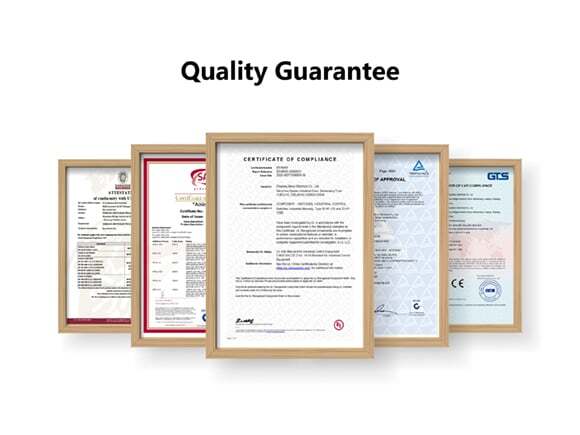
At Foshan SDEV Charger Co., Ltd., we believe that quality is the primary driver of performance, safety, and brand reliability for any Solar, Storage, and EV charging system. Inferior DC disconnects or inadequate surge protection can compromise expensive inverter architectures and create fire hazards.
To eliminate these risks, our state-of-the-art workshops implement rigorous quality control protocols. Our manufacturing facilities and our comprehensive product portfolios conform to the industry's most demanding international standards, including:
A guide for EPC Directors, Developers, and Procurement Managers seeking high-reliability components.
When selecting components and microinverter technologies, utility-scale developers and EPCs face a complex matrix of regulatory compliance, environmental stress factors, and commercial terms. Selecting the lowest-cost option without analyzing failure rates (FIT) or physical durability standards is a primary cause of long-term OPEX escalation.
Microinverters are typically expected to match the 25-year service life of modern PV modules. Procurement managers must analyze the MTBF (Mean Time Between Failures) metrics of internal capacitors, thermal dissipation performance, and potting materials to secure low long-term maintenance costs.
Deployments in extreme climates (such as desert fields or saline environments) require hermetically sealed electronics. Ensuring IP67 or IP68 ratings, heavy-duty housing materials, and UV-stabilized electrical insulation prevents water intrusion and premature component breakdown.
Procuring from factories that hold multi-country regulatory approvals accelerates import processes and system commissioning. Verified testing documentation under TUV, CE, SAA, and UL minimizes local installation inspection bottlenecks.
To stay ahead of global market trends, Foshan SDEV Charger Co., Ltd. relies on our in-house R&D team. This proactive focus on technology integration led to the development of our first UL508i listed patented DC switch within China, as well as our globally recognized DC-PV2 DC switch.
In recent years, we have strategically channeled resources into researching and manufacturing advanced EV-related products and high-performance DC protection solutions. This expanding portfolio continues to earn widespread market popularity and commercial partnerships across Europe, North America, and Oceania.
Transitioning from silicon-based switches to Gallium Nitride (GaN) and Silicon Carbide (SiC) enables higher switching frequencies, reduces thermal losses, and shrinks the physical envelope of microinverter components.
Dual-input and quad-input structures optimize the balance between module-level yield and upfront CAPEX, positioning microinverters as viable alternatives for larger scale applications.
The convergence of MLPE with bidirectional EV charging (V2G/V2H) enables direct energy transfer from local panels to vehicle battery systems with minimal conversion losses.

Ensuring compliance with diverse regional grid requirements and local installation codes.
Adherence to NEC 690.12 rapid shutdown mandates and UL 1741 SB compliance. Systems must support grid interactive functions (such as dynamic voltage regulation and frequency-watt support) to connect to CA Rule 21 and similar markets.
Compliance with EN 50549-1/2, VDE-AR-N 4105, and local anti-islanding parameters. Systems must offer high-accuracy leakage current monitoring and grid decoupling capabilities to guarantee safety and reliability.
Compliance with AS/NZS 4777.2 grid connection requirements, including DRM (Demand Response Mode) capabilities, together with robust IP66/IP67 enclosures capable of withstanding Australia's intense UV and heat profiles.
Expert insights addressing key performance parameters, integration methods, and safety standards.
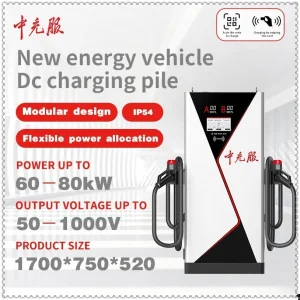
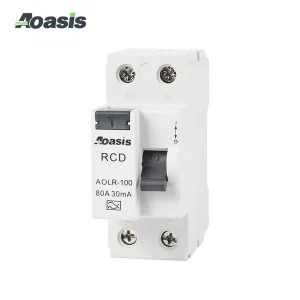
Explore our industrial safety devices, EV fast chargers, and monitoring components designed to support modern distributed power plants and EV hubs.
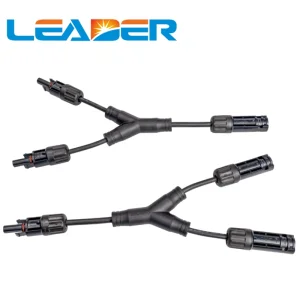
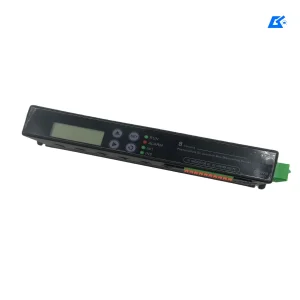
 SDEV Charger