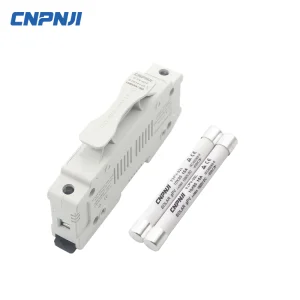
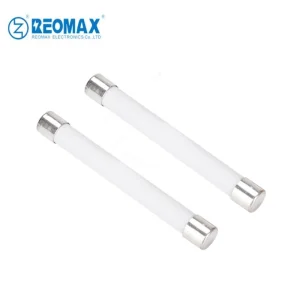
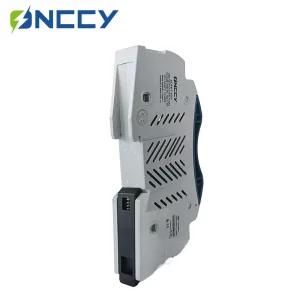
Tanzania is currently undergoing a massive energy transformation. With the government's commitment to increasing the share of renewable energy in the national grid and the surge in off-grid solar solutions for rural electrification, the demand for high-reliability DC protection components has reached an all-time high.
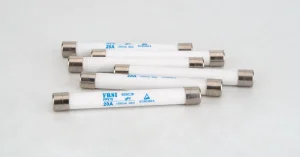
From the massive solar farms in Dodoma and Shinyanga to the critical off-grid mini-grids serving remote villages in Kigoma, Solar PV Fuses are the unsung heroes of system uptime. In Tanzania’s tropical environment, characterized by high temperatures and humidity, standard fuses often fail prematurely. Our gPV fuses are engineered specifically to withstand these harsh conditions, ensuring long-term profitability for solar investors.
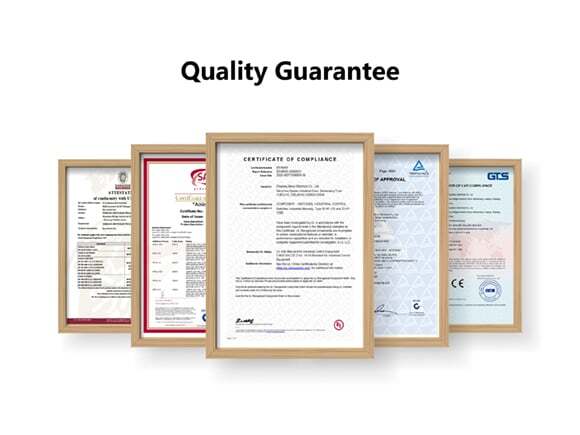
Foshan SDEV Charger Co., Ltd. stands at the forefront of the global DC protection industry. With over 30 years of manufacturing heritage, we don't just supply products; we provide peace of mind. Our facility adheres to the strictest international standards including UL, SAA, CB, CE, TUV, ISO, and RoHS.
For our partners in Tanzania, this means every fuse link and holder shipped to Dar es Salaam has undergone rigorous testing for thermal stability and breaking capacity. Quality is not an option; it is the foundation of our brand's reputation and your project's safety.
As the solar industry transitions from 1000V DC to 1500V DC architectures to reduce BOS (Balance of System) costs, the role of the fuse has evolved. In Tanzania’s emerging C&I (Commercial and Industrial) sector, higher voltage strings allow for longer runs and fewer combiner boxes, but they require fuses with higher breaking capacities to safely interrupt fault currents.
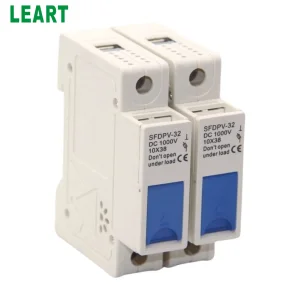
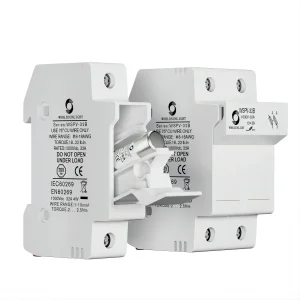
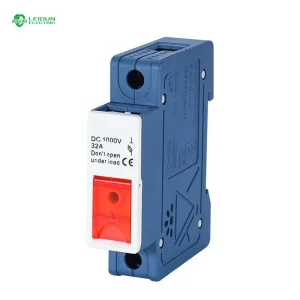
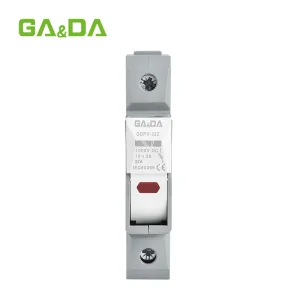
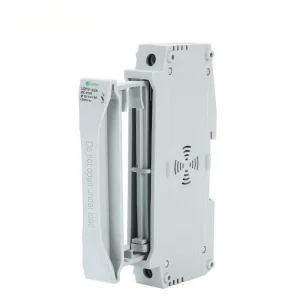
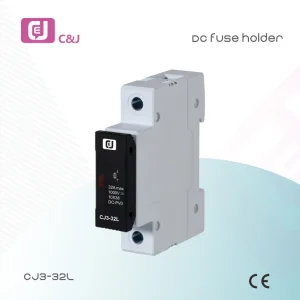
Current Trends in Tanzania: We are seeing a shift towards integrated protection. Rather than standalone fuses, EPCs are opting for DIN-rail mounted fuse holders with integrated status indicators. This allows local maintenance teams to identify blown fuses instantly, reducing downtime in remote areas like the Mara region or Mwanza.
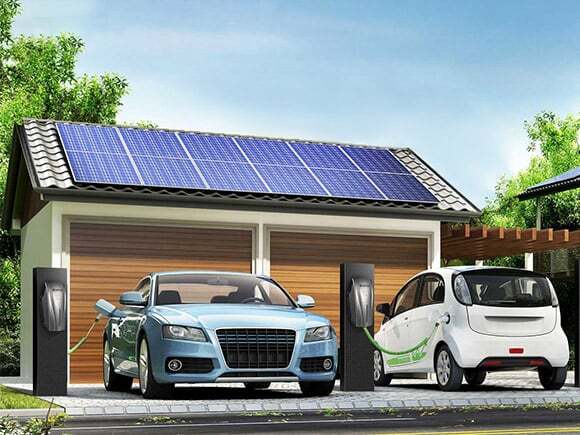
Future Outlook: The integration of EV charging with PV (Solar-to-EV) is the next frontier. SDEV is already pioneering this by developing hybrid protective devices that cater to both the PV generation side and the EV charging side. For Tanzanian municipalities looking at electric bus pilots or solar-powered charging hubs, our R&D team is ready to provide the next generation of DC protection.
Supply Chain Resilience: China's manufacturing ecosystem remains the most efficient in the world for renewable energy components. SDEV leverages this ecosystem to ensure that even during global logistics fluctuations, our Tanzanian clients receive priority shipping and competitive factory-direct pricing.
Achieving our goals comes from formulating new products based on the market demands through our in-house R&D team. Our efforts have led to our first UL508i listed patented DC switch within China and the DC-PV2 DC switch produced for the global market. With our cutting-edge PV protective products and EV chargers, we aim to create a long-term partnership with many renewables companies in Tanzania and beyond.
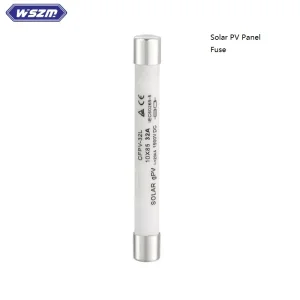
Our factory utilizes automated production lines to ensure that every 10x38mm or 14x85mm fuse meets exact tolerance levels, a critical factor for the longevity of PV modules and inverters.

 SDEV Charger