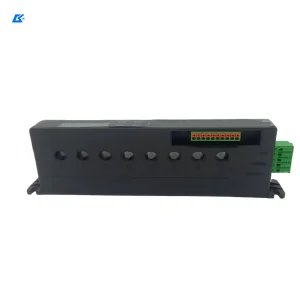
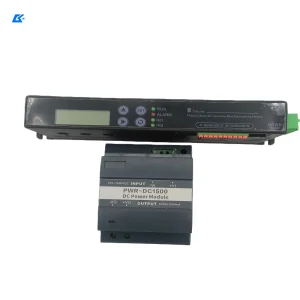
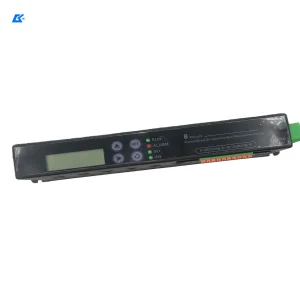
Explore our core high-precision intelligent multi-circuit measurement devices engineered to deliver unparalleled protection, safety, and efficiency optimization for Caribbean solar installations.
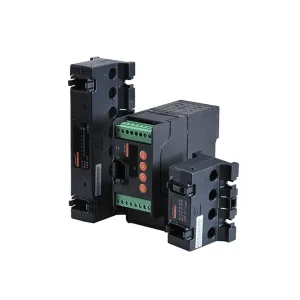
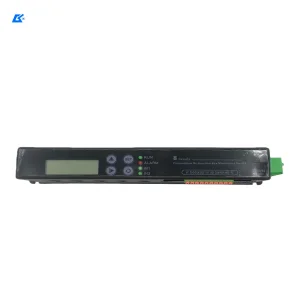
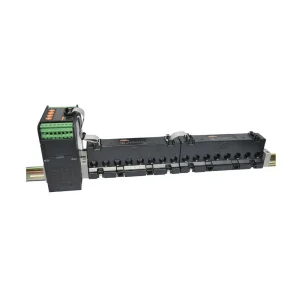
As a Small Island Developing State (SIDS) located in the Eastern Caribbean, Antigua and Barbuda is aggressively transitioning from heavy fuel oil (HFO) imports to resilient distributed PV systems. Driven by the National Determined Contributions (NDCs) target of achieving 86% renewable energy generation from local resources by 2030, the demand for state-of-the-art power distribution infrastructure has surged. However, operating solar arrays in a tropical maritime microgrid environment poses major challenges: high ambient temperature, intense humidity, aggressive marine salt-mist corrosion, and frequent grid fluctuations.
In this local ecosystem, PV String Monitoring Devices act as the nervous system of combiner boxes and smart switchgear. By utilizing Hall-effect isolation technology (up to 3.5kV) and multi-channel current acquisition interfaces, these systems detect early-stage defects, such as PID (Potential Induced Degradation), dynamic shading from local foliage, and localized dust buildup. This precise diagnostics system minimizes operational costs and avoids systemic fire hazards across utility-scale arrays in Crabbs Peninsula, VC Bird International Airport, and luxury off-grid resort microgrids on Barbuda.
Worldwide, utility-scale and commercial & industrial (C&I) solar architectures are rapidly moving from central inverter topologies to multi-string configurations. The global adoption of 1500V DC operational voltages has drastically decreased Balance of System (BOS) costs but elevated the risks of DC arcs, leakage current, and system inefficiencies. To secure capital investments and assure the performance ratio (PR) of high-value solar projects, real-time string-level monitoring is no longer optional—it is a critical requirement mandated by international financial institutions and grid operators.
Modern PV string monitoring devices now incorporate edge computing capabilities, digital signal processing (DSP), and advanced communication interfaces (Modbus-RTU over RS485, LoRaWAN, or Fiber Optics). These units track DC current per string, collect environmental parameters (irradiance, ambient temperature, panel temperature), monitor surge protection devices (SPDs), and supervise DC breakers. By feeding high-precision telemetry data to SCADA platforms and cloud-based digital twin software, operators can run predictive maintenance regimes, replacing faulty strings before localized faults expand into full-scale system shut-downs.
Foshan SDEV Charger Co., Ltd. is a trusted manufacturer of protective components for photovoltaic systems across the globe. Our experience of working in the electrical industry for more than 30 years allows us to create solar DC components that comply with the latest DC standards. Through our focus on solar DC protection design, production, and marketing, we can bring brand-building PV protection solutions.
With the inheritance of 30+ years of experience in the research and production of DC protection products, we are continuously dedicated to the EV charging field. In recent years, SDEV has attentively invested resources in research on EV-related products, successively manufacturing other types of products, thus reaping wide market popularity across the world.
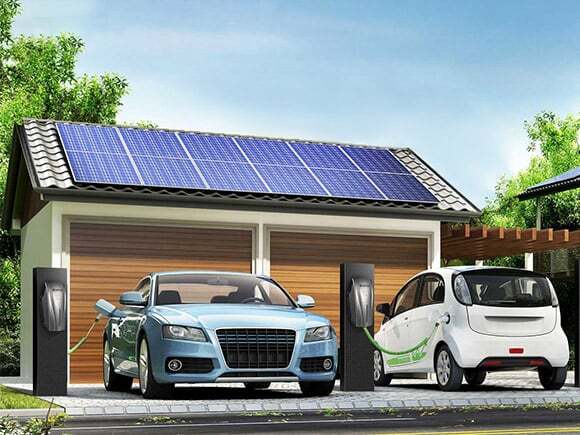
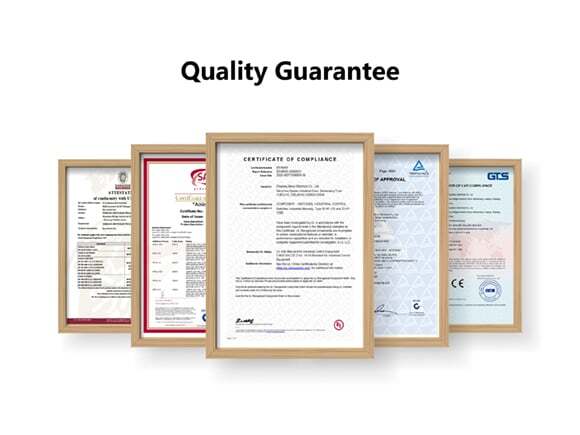
Quality is the primary goal among each of our workshops since this leads to the best performance and safety for any Solar, Storage, and EV charging system. Our commitment to quality increased brand awareness for your company. To achieve our goal, our factory and products comply with UL, SAA, CB, CE, TUV, ISO, and RoHS standards.
By incorporating state-of-the-art automated testing procedures, high-pot isolation tests, and environmental stress screening (ESS), our monitoring equipment withstands localized climate shocks, voltage fluctuations, and extreme salt air exposure typical of maritime zones.
Achieving our goals come from formulating new products based on the market demands through our in-house R&D team. Our efforts have led to our first UL508i listed patented DC switch within China and the DC-PV2 DC switch produced for the global market. With our cutting-edge PV protective products and EV chargers, we aim to create a long-term partnership with many renewables companies.
Our ongoing development focus for the Antigua and Barbuda market includes high-salinity corrosion protection, multi-loop circuit protection, and integrated Modbus communications. These features enable remote troubleshooting of microgrids without requiring on-site engineers, saving time and money for island operators.

From beachfront hotels to inland distribution fields, our devices are deployed across diverse microgrid topologies.
For large-scale projects like the Crabbs Peninsula array, monitoring up to 24 separate strings per combiner box is critical. Our devices provide continuous DC current and voltage acquisition, transmitting data to central APUA SCADA controllers to protect the island grid from load imbalances.
Antigua's luxury resorts rely on solar paired with energy storage (BESS) and diesel backups. Our monitoring systems ensure maximum efficiency, allowing hotels to offset high retail electricity prices ($0.35+/kWh) while avoiding shutdowns during peak tourism periods.
Operating near St. John's Harbour exposes electrical cabinets to humid, corrosive air. SDEV's monitors utilize 3.5kV Hall Isolation and conformal-coated PCBs, preventing tracking currents and component breakdown caused by salt spray.
Sourcing PV monitoring systems from SDEV in China provides developers and EPC contractors in the Caribbean with significant competitive benefits:
By eliminating intermediaries, Caribbean solar EPCs work directly with our engineering division. This setup enables quick firmware customization, specific MODBUS register mapping modifications, and dedicated technical support during installation.
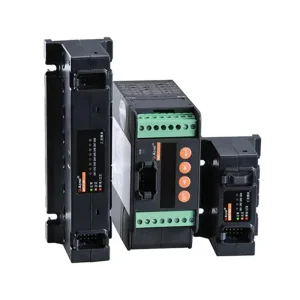
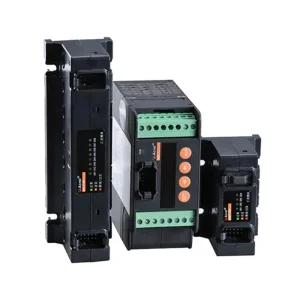
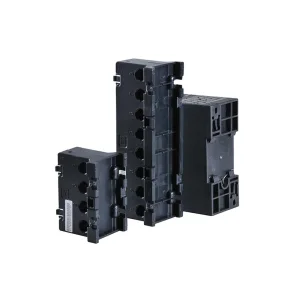
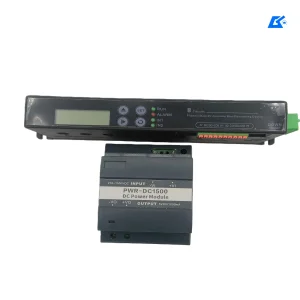
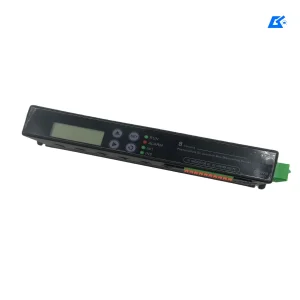
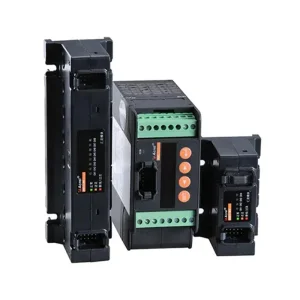
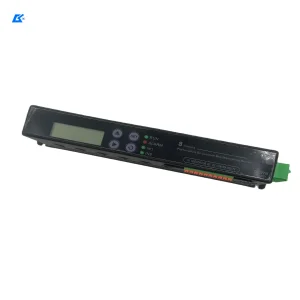
Choose from our selection of high-accuracy DC monitoring units, built to handle 1000V/1500V systems with multi-channel capabilities.
Need custom current channel configurations or unique communication protocols for your installation?
Contact EngineersWhen selecting PV string monitors for projects in Antigua and Barbuda, engineering teams should evaluate the following criteria:
Devices must offer adequate galvanic isolation (up to 3.5kV) between the DC measurement side and the low-voltage communication side. This protection isolates RS485 ports from high-voltage transients, saving your SCADA network if a surge occurs.
Temperatures inside metal combiner boxes in the tropical sun can exceed 70°C. Sourcing components rated for industrial-grade operations (-25°C to +70°C) prevents measurement drift and thermal shutdown.
Ensure the hardware supports standard Modbus-RTU protocols, allowing integration with major inverter brands, local weather stations, and third-party data loggers.
Expert engineering advice for grid operators and developers in tropical island climates.
Partner with SDEV for reliable, high-precision PV string monitoring systems that protect against climate risks and improve energy output.
Send Inquiry Now SDEV Charger