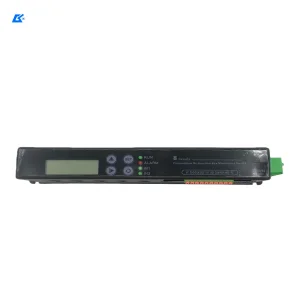
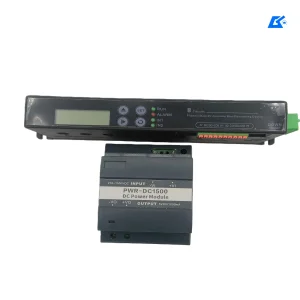
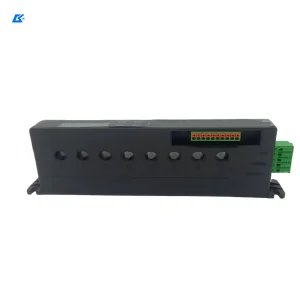
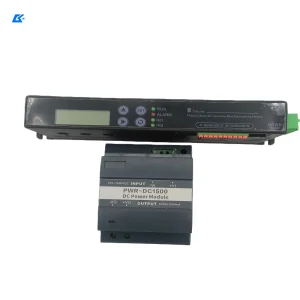
Select from our premium, field-tested diagnostic monitors engineered specifically for extreme weather profiles across East Africa.
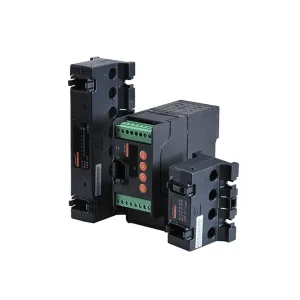
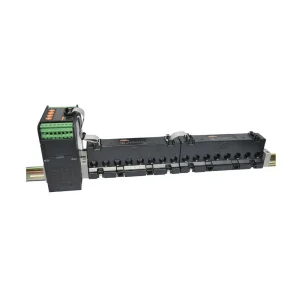
Eritrea is progressively tapping into its abundant solar potential to bridge power deficits, utilizing high Direct Normal Irradiation (DNI) profiles across the Asmara plateau and the Red Sea coastal plains. With major remote electrification schemes, agricultural irrigation setups, and mining microgrids (such as the Bisha mining operations and localized off-grid mini-grids in rural regions like Dekemhare), system performance reliability is paramount.
However, the severe operating environment—characterized by desert dust, dramatic diurnal temperature swings, and localized grid instability—presents severe degradation challenges for utility-scale and decentralized PV setups. Without real-time string diagnostics, dirt accumulation, localized shadowing, and failing connections can degrade output up to 35% before detection.
This is where SDEV’s multi-circuit solar monitoring units play an essential role: providing instantaneous localized and remote diagnostics to ensure system performance, minimize operational risks, and safeguard your return on investment.
Foshan SDEV Charger Co., Ltd. is a trusted manufacturer of protective components for photovoltaic systems across the globe. Our experience of working in the electrical industry for more than 30 years allows us to create solar DC components that comply with the latest DC standards. Through our focus on solar DC protection design, production, and marketing, we can bring brand-building PV protection solutions.
With the inheritance of 30+ years of experience in the research and production of DC protection products, we are continuously dedicated to the EV charging field. In recent years, SDEV has attentively invested resources in research on EV-related products, successively manufacturing other types of products, thus reaping wide market popularity across the world.
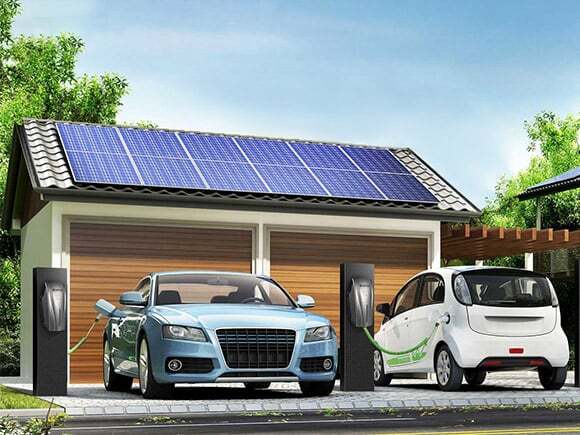
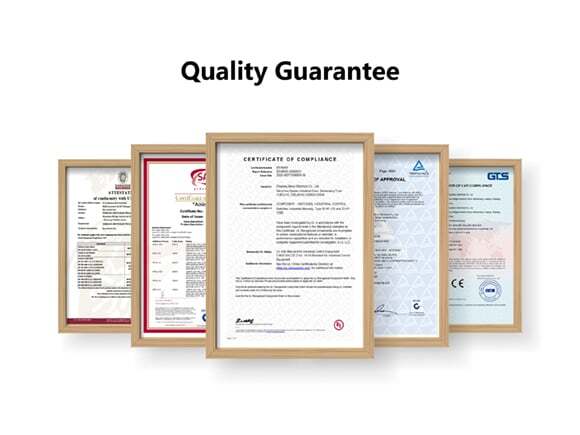
Quality is the primary goal among each of our workshops since this leads to the best performance and safety for any Solar, Storage, and EV charging system. Our commitment to quality increased brand awareness for your company. To achieve our goal, our factory and products comply with UL, SAA, CB, CE, TUV, ISO, and RoHS standards.
Each component undergoes rigorous operational cycle testing, thermal imaging evaluation, and insulation resistance checks before being dispatched to our African distribution centers, guaranteeing error-free deployment on Eritrean projects.
Achieving our goals come from formulating new products based on the market demands through our in-house R&D team. Our efforts have led to our first UL508i listed patented DC switch within china and the DC-PV2 DC switch produced for the global market. With our cutting-edge PV protective products and EV chargers, we aim to create a long-term partnership with many renewables companies.

Streamlining procurement for infrastructure developers and EPC contractors in Asmara, Massawa, and Keren.
By producing components in-house at our advanced Foshan facility, we control variables from raw copper/alloy sourcing to final Modbus software calibration. This ensures stable unit pricing and delivery security even during global shipping spikes.
Equipped with 3.5kV Hall Isolation and support for up to 24 separate monitoring circuits, our products resist massive electrical interference common in regional off-grid setups, minimizing device replacement costs.
Standardized RS485 communication protocols with Modbus-RTU allow for seamless integration with SCADA networks, industrial PLC controllers, and local cloud portals, keeping field operations transparent.
Engineered for combiner box integration, solar sub-station monitoring, and high-voltage DC protection.
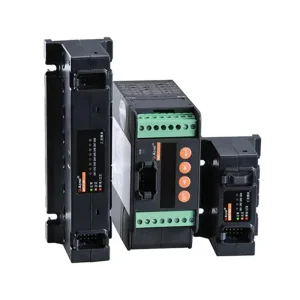
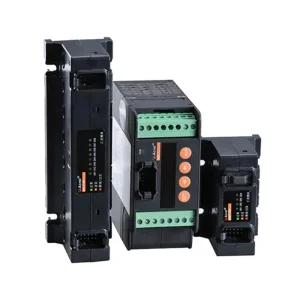
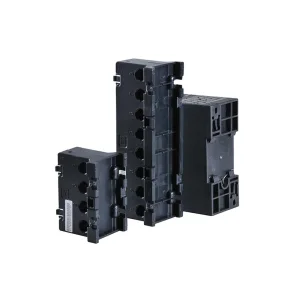
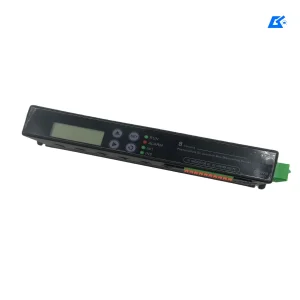
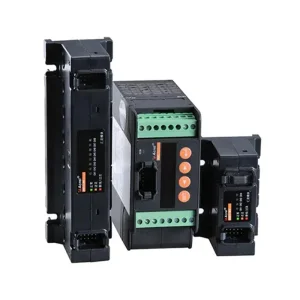
Photovoltaic (PV) installations operate under volatile environmental inputs. Direct current (DC) generated by array strings is funneled into a central combiner box before inverter processing. Because strings operate in parallel, identifying failures in a single solar array is extremely difficult without micro-level measurement at the combiner stage.
At SDEV, our PV string monitors utilize advanced contactless Hall Effect sensors. Unlike traditional shunt-based measurement platforms, Hall sensors protect diagnostic modules from direct physical contact with high-energy DC circuits. This configuration provides several advantages:
In regional solar initiatives located in areas like Massawa, high sandstorms pose a constant threat to operations. Standard aggregate output monitoring might show a 5% drop across an entire array, which operators might easily overlook. However, our 16-channel and 24-channel string monitoring devices track each individual string's performance separately.
If a single string suffers from accumulated dust, a blown fuse, or localized micro-cracks in its panels, our systems trigger an alert via Modbus RTU communication networks. This helps localized field engineers quickly locate and fix the target issue, keeping overall downtime to a minimum.
Expert answers to key design, integration, and environmental adaptability questions.
 SDEV Charger