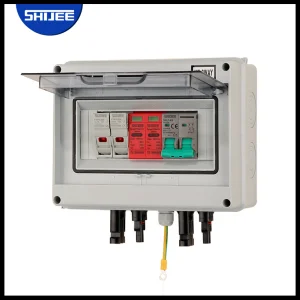
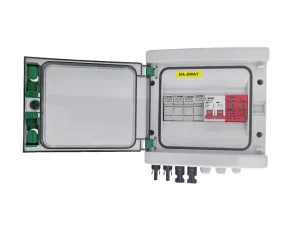
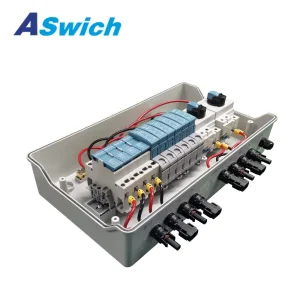
Specially optimized for High-Ambient Dust and Heat resilience under the Shams Dubai Framework
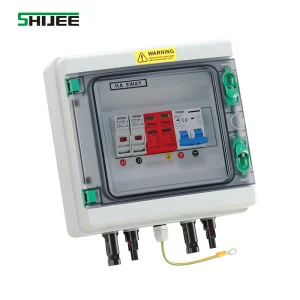
Understanding how Extreme Ambient Environments dictate Solar Connection Standards in the UAE
Dubai and the wider United Arab Emirates (UAE) are leading the global transition toward utility-scale renewable energy. Propelled by the Dubai Clean Energy Strategy 2050, which aims to generate 100% of the city’s energy from clean sources, regional developments are scaling rapidly. From the colossal Mohammed bin Rashid Al Maktoum Solar Park to countless commercial and industrial (C&I) rooftop installations supported by the Shams Dubai initiative, solar infrastructure is expanding at an unprecedented rate.
However, the desert environment of the Arabian Gulf presents unique, severe operating conditions that quickly degrade low-grade electrical balance of system (BOS) components. Sourcing specialized PV Junction Boxes and DC Combiner Boxes from verified, top-tier factories is crucial for project viability, longevity, and high levelized cost of energy (LCOE) optimization.
Ambient summer temperatures in Dubai regularly exceed 50°C. Within an unshaded outdoor DC combiner box or underneath a PV module, internal operating temperatures can soar to 85°C. Lower-quality materials risk thermal deformation, sealing failures, and diode thermal runaway.
High wind speeds bring micro-fine desert sand that can penetrate minimal crevices. Additionally, coastal humidity in Dubai reaches extreme levels, causing nighttime condensation inside enclosures. IP65 to IP67 ingress protection is mandatory to prevent electrical short-circuiting.
With some of the highest Global Horizontal Irradiation (GHI) figures worldwide, the UV exposure in the Gulf rapidly degrades standard plastics. All PV junction box materials must utilize specialized UV-stabilized polycarbonate or high-performance polymers to prevent embrittlement.
Exploring the technological shift from legacy designs to smart, highly insulated 1500V architectures
In modern solar plant designs, minimizing electrical loss while maximizing module power output is the primary goal. Sourcing electrical equipment from forward-thinking suppliers who follow a rigorous technical roadmap ensures long-term operational viability. Here is how advanced manufacturing handles Middle Eastern desert installations:
| Feature Parameter | Legacy Standards | Desert-Optimized Standards (SDEV & Shijee Models) | Engineering Benefit for Dubai Utility Projects |
|---|---|---|---|
| System Voltage Rating | 1000V DC maximum | 1500V DC compliant (IEC / UL certified) | Allows longer module strings, reducing overall cabling, installation time, and combiner box quantity by up to 30%. |
| Diode Thermal Design | Standard copper leads, air cooling | Integrated custom copper heat sinks + advanced potting compound | Accelerates heat dissipation, maintaining diode junction temperatures well below the 150°C maximum to prevent failure. |
| Enclosure Protection | IP65 general classification | IP67 / IP68 dust-proof & waterproof with breathable valves | Equalizes internal/external pressure, preventing humidity condensation and blocking all microscopic sand particles. |
| Material Composition | Standard ABS or PPO plastics | UL94-V0 Flame Retardant, UV-stabilized PPO/PPE alloys | Zero structural degradation over 25+ years under intense UV radiation. High fire safety performance. |
| Smart Monitoring | Analog/No monitoring | Integrated RS485 / Modbus wireless module current sensing | Enables real-time fault detection, bypass diode tracking, and automated predictive maintenance alerts. |
How our product lines match the scaling solar segments of the UAE market
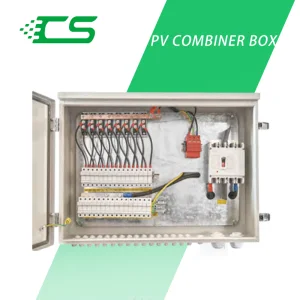
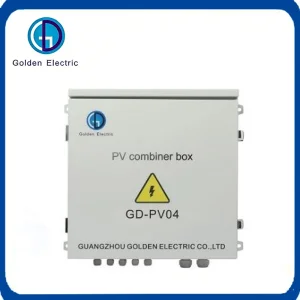
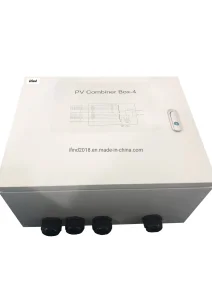
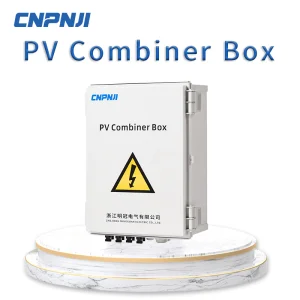
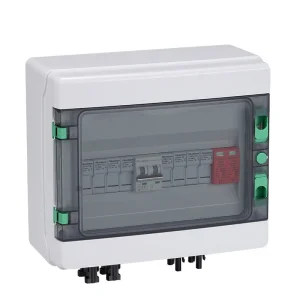
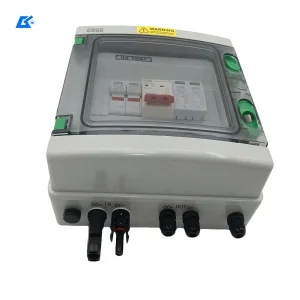
For large-scale utility solar farms, such as the Al Maktoum Solar Park expansion, current leakage and module performance decay must be minimized. High-string configurations (such as 16-in-1-out or 24-in-1-out) require high-current surge protection devices (SPDs), DC fuses, and load-break disconnect switches. We design heavy-duty combiner boxes featuring customized layout structures that reduce electromagnetic interference and internal heat build-up.
Commercial rooftops require high safety margins and space-saving solutions. Compact, highly insulated, UV-resistant PV junction boxes are ideal for urban rooftop systems. Rapid Shutdown (RSD) capabilities are increasingly demanded by local authorities (DEWA) to guarantee emergency responder safety, meaning junction boxes must be fully compatible with smart power optimizers or microinverters.

Foshan SDEV Charger Co., Ltd. is a trusted manufacturer of protective components for photovoltaic systems across the globe. Our experience of working in the electrical industry for more than 30 years allows us to create solar DC components that comply with the latest DC standards. Through our focus on solar DC protection design, production, and marketing, we can bring brand-building PV protection solutions.
With the inheritance of 30+ years of experience in the research and production of DC protection products, we are continuously dedicated to the EV charging field. In recent years, SDEV has attentively invested resources in research on EV-related products, successively manufacturing other types of products, thus reaping wide market popularity across the world.
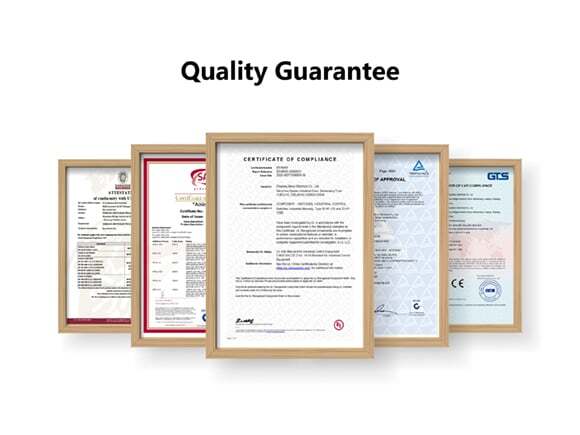
Quality is the primary goal among each of our workshops since this leads to the best performance and safety for any Solar, Storage, and EV charging system. Our commitment to quality increased brand awareness for your company. To achieve our goal, our factory and products comply with UL, SAA, CB, CE, TUV, ISO, and RoHS standards.
For Middle Eastern buyers sourcing for projects in Dubai, this comprehensive portfolio of certifications ensures hassle-free import clearance and approval by Dubai governmental bodies like DEWA.
Leveraging automated manufacturing to deliver cost-effective and certified products globally
In a volatile solar market, EPC contractors and developers in Dubai face strict deadlines and demanding budgets. Sourcing products directly from an Industry 4.0 Chinese manufacturing facility like Foshan SDEV provides significant competitive advantages:
Our workshops utilize robotic assembly lines for automated component soldering and sealing, ensuring that every diode and contact maintains consistent connection quality, minimizing manual installation errors.
Every product undergoes comprehensive testing, including high-voltage insulation tests, air tightness verification (leak testing), contact resistance checks, and thermal imaging calibration before packaging.
With our factory situated in Foshan, Guangdong, we enjoy streamlined access to Shenzhen and Guangzhou ports, offering fast, reliable shipping routes straight to Dubai's Jebel Ali Port.
Mitigating regulatory risk to keep your solar installations running safely
Entering the UAE renewable energy space requires navigating specific regulatory rules. The Dubai Electricity and Water Authority (DEWA) enforces high-standard solar component requirements for both utility-scale arrays and rooftop generators. To qualify, components must satisfy stringent performance criteria:
By partnering with Foshan SDEV, you gain access to an experienced partner that provides full engineering documentation, custom CAD schematic designs, and certified test reports to support project engineers through local approval procedures.
Examine our full, certifiably compliant product range for residential, commercial, and utility installations
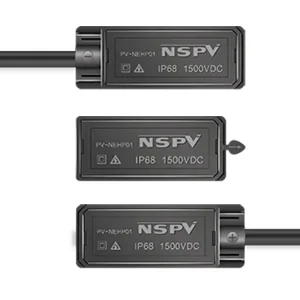
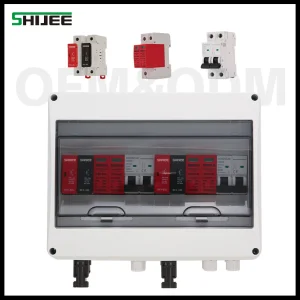
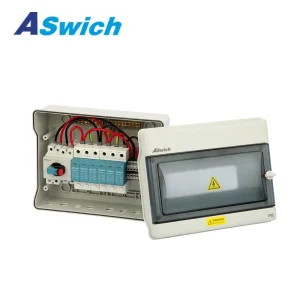
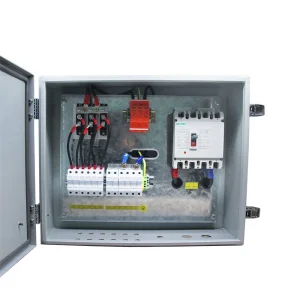
Answers to crucial technical and logistics questions for solar developers sourcing for Dubai and Middle East projects
 SDEV Charger