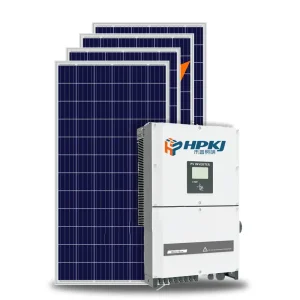
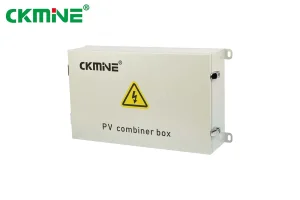
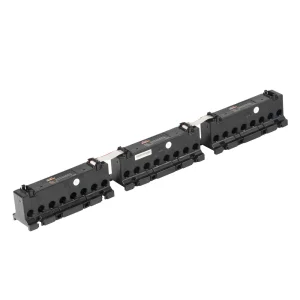
India is currently witnessing a phenomenal surge in its renewable energy capacity, aiming for 500 GW of non-fossil fuel energy by 2030. As utility-scale projects like the Bhadla Solar Park and vast rooftop solar initiatives under the PM-Surya Ghar: Muft Bijli Yojana gain momentum, the demand for high-quality **DC Residual Current Devices (RCDs)** and **PV Array Combiner Panels** has skyrocketed.
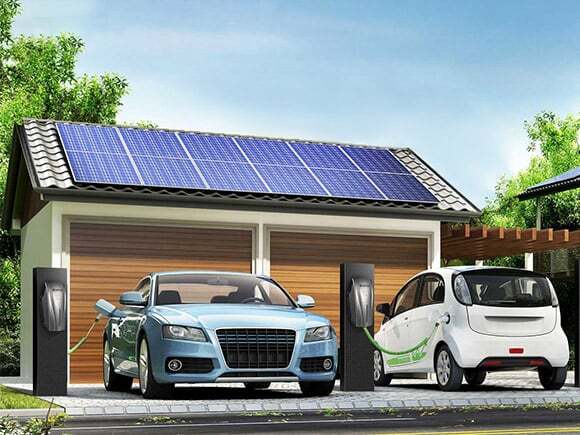
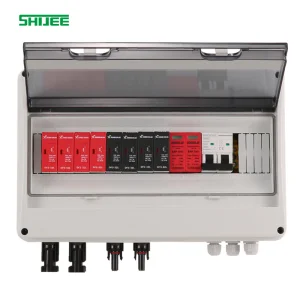
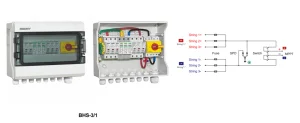
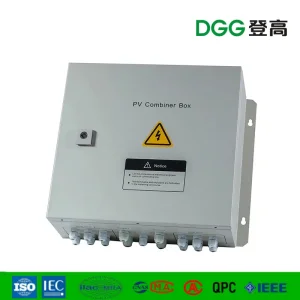
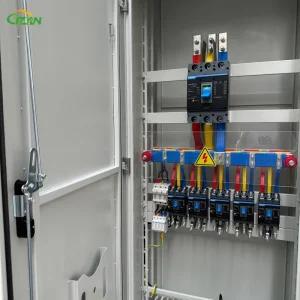
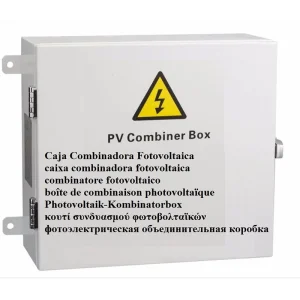
From the textile mills of Gujarat to the IT hubs of Bengaluru, PV Array Combiner Panels serve as the nervous system of solar installations. They streamline multiple string inputs into a single DC output, facilitating easier maintenance and robust protection.
India's commercial sector is rapidly adopting solar to offset high DISCOM tariffs. Our 4-in-1 and 8-in-1 combiner boxes are ideal for space-constrained urban rooftops in Mumbai and Delhi.
Under the PM-KUSUM scheme, solar pumps are revolutionizing rural India. We provide ruggedized DC junction boxes that ensure continuous operation even in remote agricultural zones.
Large manufacturing units in Tamil Nadu and Maharashtra utilize our 24-string stainless steel combiner boxes to manage high-power arrays with integrated lightning protection.
Foshan SDEV Charger Co., Ltd. is a trusted manufacturer of protective components for photovoltaic systems across the globe. Our experience of working in the electrical industry for more than 30 years allows us to create solar DC components that comply with the latest DC standards. Through our focus on solar DC protection design, production, and marketing, we can bring brand-building PV protection solutions.
With the inheritance of 30+ years of experience in the research and production of DC protection products, we are continuously dedicated to the EV charging field. In recent years, SDEV has attentively invested resources in research on EV-related products, successively manufacturing other types of products, thus reaping wide market popularity across the world.
String Level Monitoring: Modern Indian solar farms are moving away from basic junction boxes toward intelligent combiner panels with RS485/Modbus communication, allowing real-time performance tracking of every solar string.
Type B RCD Adoption: As EV chargers and solar inverters become more sophisticated, the use of Type B RCDs—which can detect smooth DC leakage—is becoming a mandatory standard for safety in high-end Indian infrastructure projects.
Local Export Growth: Indian EPC (Engineering, Procurement, and Construction) companies are increasingly seeking reliable exporters who can provide UL and TUV certified components to ensure their projects meet international bankability standards.

Achieving our goals come from formulating new products based on the market demands through our in-house R&D team. Our efforts have led to our first UL508i listed patented DC switch within China and the DC-PV2 DC switch produced for the global market. With our cutting-edge PV protective products and EV chargers, we aim to create a long-term partnership with many renewables companies.
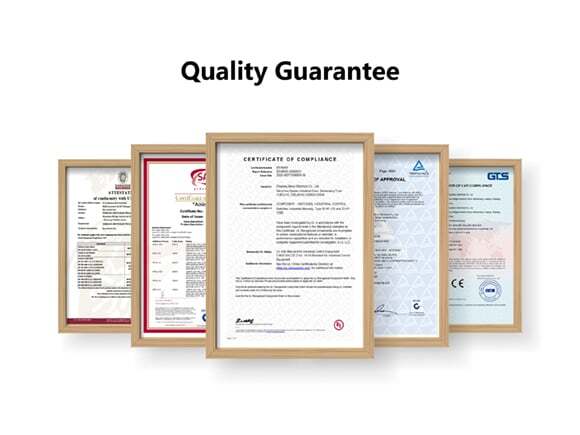
Quality is the primary goal among each of our workshops since this leads to the best performance and safety for any Solar, Storage, and EV charging system. To achieve our goal, our factory and products comply with UL, SAA, CB, CE, TUV, ISO, and RoHS standards.
Indian grid conditions and extreme heat increase the likelihood of insulation degradation in DC cables. An RCD prevents these minor leakages from escalating into catastrophic fires or electrical shocks.
Yes, our Shijee and Beny series are designed to be universal, supporting all major monocrystalline and polycrystalline PV modules commonly used in India, including Adani, Tata Power, and Waaree.
Absolutely. We partner with local Indian distributors and offer detailed technical documentation to help EPCs meet the stringent requirements of MNRE and state DISCOMs.
 SDEV Charger