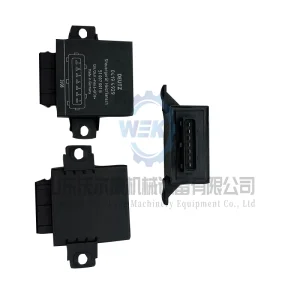
High-performance overcurrent, switching, and monitoring solutions selected for critical energy projects across the Commonwealth of Dominica.
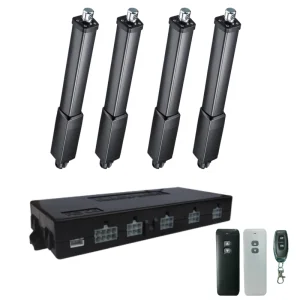
The Commonwealth of Dominica is rapidly transforming its national energy infrastructure. Under the National Resilient Development Strategy (Dominica 2030), the island is heavily focusing on achieving 100% renewable energy generation. Key projects such as the Laudat Geothermal Power Plant, utility-scale solar PV microgrids, and localized battery energy storage systems (BESS) are driving the shift away from volatile diesel fuel. However, transitioning island nations to microgrids presents specific engineering hurdles: high grid vulnerability, lightning surges from tropical storms, and extreme coastal salinity.
Overcurrent conditions in DC circuits are inherently more difficult to clear than in AC configurations because DC currents do not cross a zero point naturally. Without premium-grade DC protection units, transient overcurrents caused by solar panel shading mismatches, short-circuits, or battery discharge faults can lead to rapid catastrophic thermal events. Exporters serving Roseau, Portsmouth, and industrial agricultural networks must supply high-performance, weather-hardened, and certified DC components to guarantee utility longevity.
Dominica’s climate presents severe corrosion and high relative humidity (often exceeding 80%). The combination of salt-mist air and high operational temperatures requires DC protection units constructed with specialized UV-stabilized materials and hermetically sealed switchgears. Whether implementing off-grid systems for agro-processing plants or grid-tied solar systems for eco-tourism resorts, matching the strict standards of IEEE, IEC, and UL is critical to maintaining continuous operational safety.
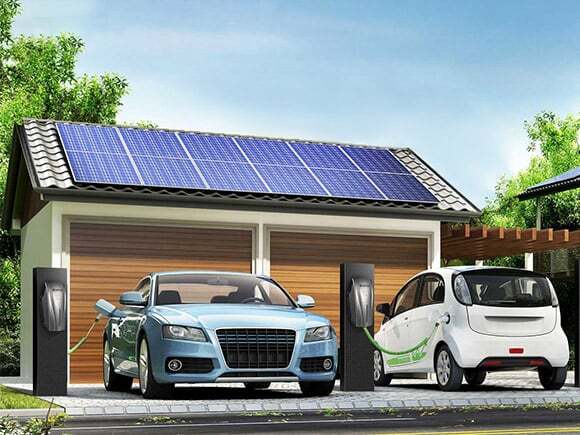
Foshan SDEV Charger Co., Ltd. is a trusted manufacturer of protective components for photovoltaic systems across the globe. Our experience of working in the electrical industry for more than 30 years allows us to create solar DC components that comply with the latest DC standards. Through our focus on solar DC protection design, production, and marketing, we can bring brand-building PV protection solutions.
With the inheritance of 30+ years of experience in the research and production of DC protection products, we are continuously dedicated to the EV charging field. In recent years, SDEV has attentively invested resources in research on EV-related products, successively manufacturing other types of products, thus reaping wide market popularity across the world.
Quality is the primary goal among each of our workshops since this leads to the best performance and safety for any Solar, Storage, and EV charging system. Our commitment to quality increased brand awareness for your company. To achieve our goal, our factory and products comply with UL, SAA, CB, CE, TUV, ISO, and RoHS standards.
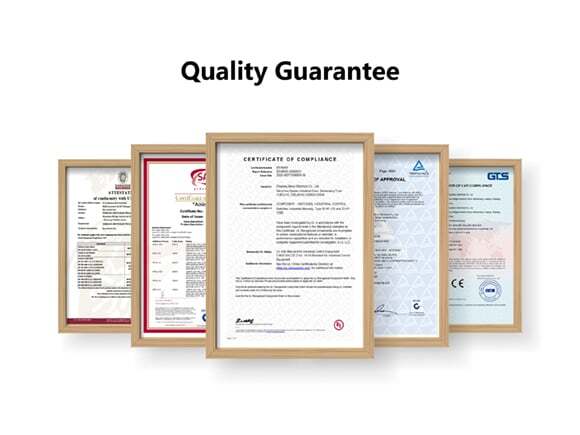
Our automated production lines deliver certified protection components engineered for reliability in extreme conditions.
Achieving our goals come from formulating new products based on the market demands through our in-house R&D team. Our efforts have led to our first UL508i listed patented DC switch within china and the DC-PV2 DC switch produced for the global market. With our cutting-edge PV protective products and EV chargers, we aim to create a long-term partnership with many renewables companies.
As microgrids evolve from traditional designs, the inclusion of smart monitoring mechanisms is becoming a necessity. In Dominica, where off-grid hybrid setups are frequently deployed, smart DC switches provide remote telemetry data and instant fault localization. This capability drastically reduces maintenance overhead in hard-to-reach mountainous areas like the Morne Trois Pitons region.
Our newer generation DC Overcurrent Protection Units incorporate smart shunt trips, digital auxiliary contacts, and surge protection modules in a single footprint. This consolidated design simplifies mounting and saves valuable cabinet space inside specialized power systems. By using premium raw materials such as silver alloy contacts and glass-fiber reinforced plastic housing, SDEV delivers equipment that can withstand high short-circuit currents and severe thermal stress.

Engineered configurations matching local codes and global electrical standard benchmarks.
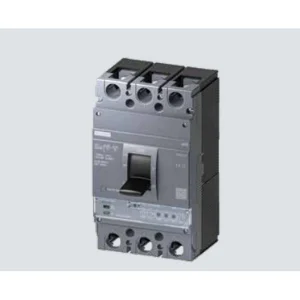
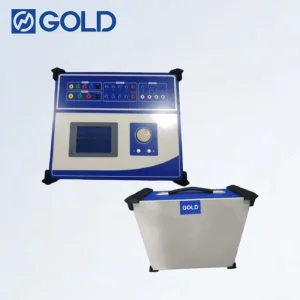
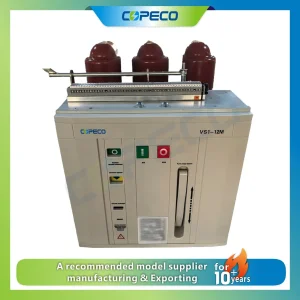
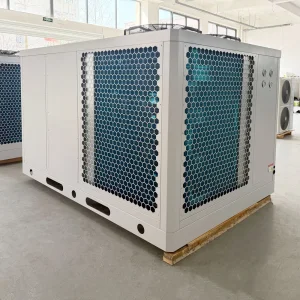
Our broad range of circuit breakers, sensors, cooling systems, and specialized relays designed for demanding international power applications.
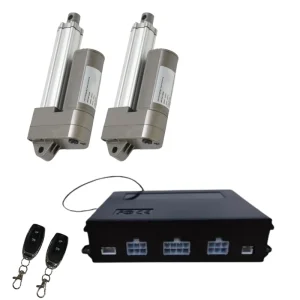
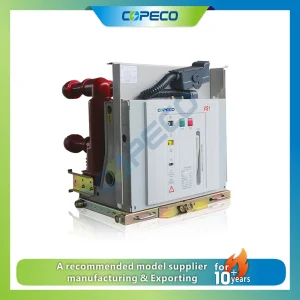
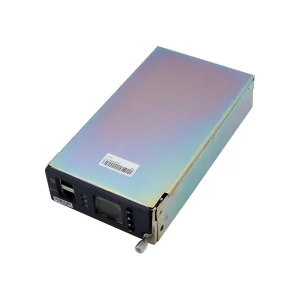
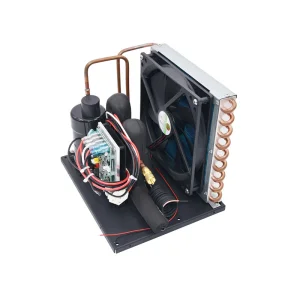
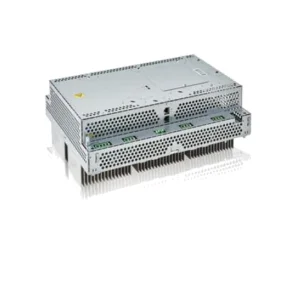
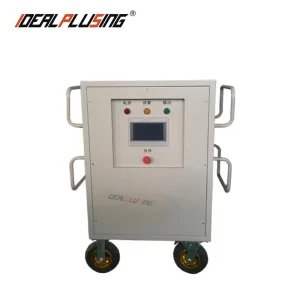
Expert insights regarding the deployment, maintenance, and certification of DC overcurrent protection in utility and commercial applications.
Unlike alternating current (AC) systems which cross a zero voltage point 100 or 120 times per second, direct current (DC) systems maintain a continuous, unidirectional voltage. This makes extinguishing the resulting electric arc much more difficult during switch contact separation. Overcurrent protection units must utilize magnetic arc blowouts, specific contact geometry, or wide contact gaps to rapidly stretch and quench the arc, protecting upstream and downstream components from catastrophic failure.
UL508i specifically outlines safety requirements for manual disconnect switches intended for use in photovoltaic (PV) systems, testing the device under high-voltage, low-current conditions typical of solar arrays. The IEC DC-PV2 standard validates switches for bi-directional or reverse current switching capacity under load. Utilizing switches with these specific listings guarantees that they can safely isolate solar arrays under full-load or fault conditions, preventing thermal runaways.
DC circuit breakers and fuses utilize thermal mechanisms (such as bimetal strips) to detect sustained overcurrent faults. In high-temperature environments (like Dominica's tropical climate where cabinet temperatures can easily exceed 50°C), these devices must be thermally derated. Failure to account for temperature derating factors leads to nuisance tripping. SDEV designs custom protection units with high thermal stability margins to operate reliably across ambient ranges of -40°C to +70°C without premature tripping.
Dominica generally aligns with international benchmarks including IEC standards (such as IEC 60947-3 for switchgear) and UL certification frameworks (such as UL 508i/UL 489B for DC installations). Ensuring your imported products carry TUV, CE, CB, SAA, or UL certificates guarantees that they meet stringent global safety guidelines and will pass regulatory building inspections in the Caribbean.
Hall Effect sensors measure magnetic fields generated by flowing DC current to provide galvanically isolated, high-precision current telemetry. This information is vital for microcomputer relay systems. Unlike traditional shunts, Hall sensors introduce zero voltage drops in the circuit and do not generate heat. They facilitate fast, microsecond-level fault detection to trigger shunt trips long before a thermal fuse can react, securing semiconductor components in modern inverters.
 SDEV Charger