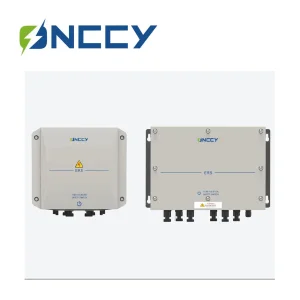
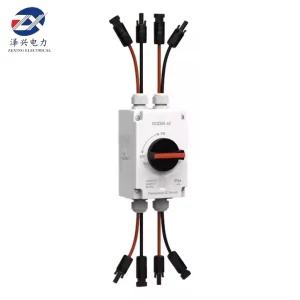
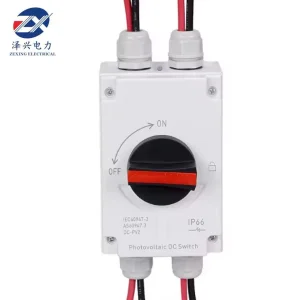
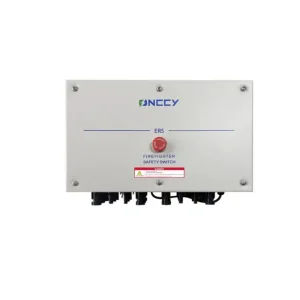
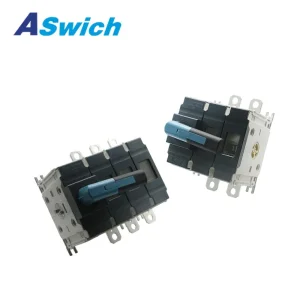
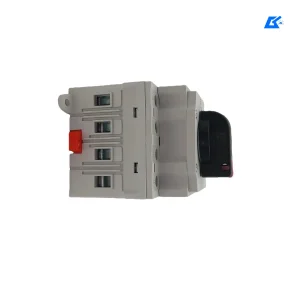
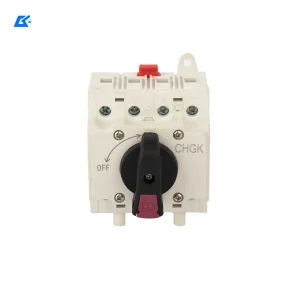
The global energy transition is no longer a futuristic concept but a present-day reality. As photovoltaic (PV) systems scale from residential rooftops to massive utility-grade solar farms, the demand for PV System Safety Controllers has skyrocketed. In the commercial sector, safety is paramount. High-voltage DC systems present unique fire hazards that traditional AC breakers cannot mitigate. Worldwide regulations, such as the National Electrical Code (NEC) 2020 in the USA, now mandate Module-Level Rapid Shutdown (RSD) to protect first responders.
Industrially, solar integration into smart grids requires sophisticated controllers that can manage energy flow, isolate faults, and ensure the longevity of high-priced assets like lithium-ion battery storage systems (BESS). The market is shifting from simple mechanical switches to AI-integrated safety hubs that monitor real-time thermal data and electrical arc detection.
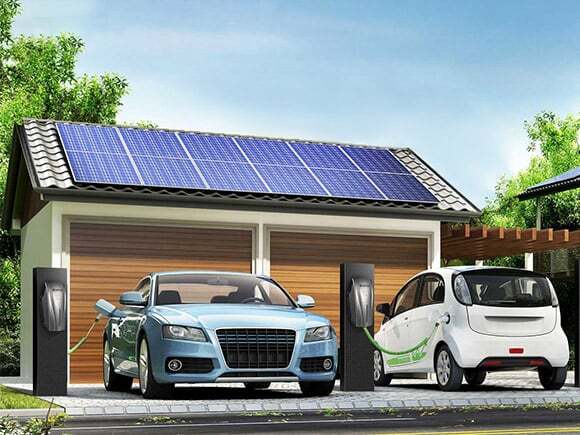
Stay ahead with the latest in PV protection and intelligent control.
As systems move from 1000V to 1500V to reduce BOS costs, safety controllers must handle higher dielectric stress. We provide UL-listed components ready for the next generation of high-capacity arrays.
Modern controllers now utilize Machine Learning to differentiate between normal operation and dangerous arc faults, reducing nuisance tripping while ensuring 100% safety during actual emergencies.
Remote monitoring via cloud-based platforms allows facility managers to check the status of isolators and controllers globally, enabling predictive maintenance before a failure occurs.
Years Experience
Safety Compliance
Export Countries
Certified Quality
Procurement managers for EPC (Engineering, Procurement, and Construction) firms face significant hurdles: supply chain delays, fluctuating tariffs, and varying local safety codes. Our role as a Top 10 PV Safety Controller Supplier is to bridge these gaps. Whether it is a desert-based solar plant in the Middle East requiring high-temperature resistance or a coastal installation in Southeast Asia needing IP66-rated waterproofing, our products are engineered for the environment.
Localization means more than just a manual in a local language. It means designing DC Isolator Switches and Rapid Shutdown Devices that meet specific grid requirements in Australia (AS/NZS 5033) or European CE standards. We provide tailored OEM/ODM services to ensure your brand stands out with locally-compliant, high-performance tech.
Foshan SDEV Charger Co., Ltd. is a trusted manufacturer of protective components for photovoltaic systems across the globe. Our experience of working in the electrical industry for more than 30 years allows us to create solar DC components that comply with the latest DC standards. Through our focus on solar DC protection design, production, and marketing, we can bring brand-building PV protection solutions.
With the inheritance of 30+ years of experience in the research and production of DC protection products, we are continuously dedicated to the EV charging field. In recent years, SDEV has attentively invested resources in research on EV-related products, successively manufacturing other types of products, thus reaping wide market popularity across the world.

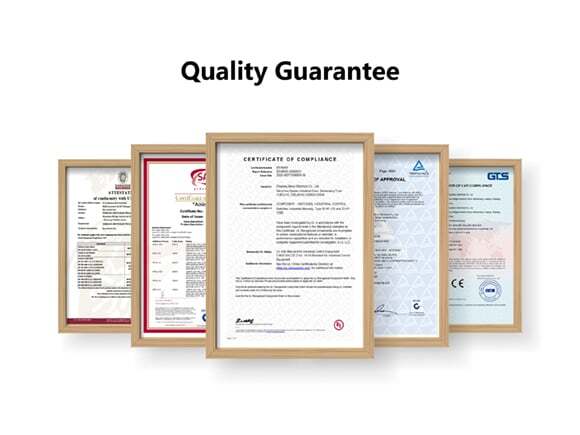
Quality is the primary goal among each of our workshops since this leads to the best performance and safety for any Solar, Storage, and EV charging system. Our commitment to quality increased brand awareness for your company. To achieve our goal, our factory and products comply with UL, SAA, CB, CE, TUV, ISO, and RoHS standards.
Achieving our goals come from formulating new products based on the market demands through our in-house R&D team. Our efforts have led to our first UL508i listed patented DC switch within China and the DC-PV2 DC switch produced for the global market. With our cutting-edge PV protective products and EV chargers, we aim to create a long-term partnership with many renewables companies.
The role of a PV System Safety Controller has evolved from a simple disconnect point to the "brain" of fire safety in renewable energy installations. In the early days of solar, safety was often an afterthought, but as system voltages increased to 1500V to improve efficiency and reduce copper costs, the physical dangers of DC arcing became a primary concern for the industry. Unlike AC current, which passes through zero volts 50 or 60 times a second, DC arcs do not extinguish themselves. This is where high-quality safety controllers from specialized manufacturers like SDEV Charger Co., Ltd. become critical.
Our research and development focus heavily on arc-fault circuit interruption (AFCI) and rapid shutdown (RSD). For a building owner or a solar investor, a safety controller is an insurance policy. In the event of a thermal emergency, these devices can drop the array voltage to safe levels within seconds, allowing firefighters to work without the risk of electrocution. Globally, the adoption of these technologies is being driven by stringent building codes. For example, in North America, the NEC 690.12 requirements have fundamentally changed how solar arrays are designed, moving the industry toward module-level power electronics (MLPE).
Furthermore, the industrial application of these controllers extends into the burgeoning field of EV charging infrastructure. As more charging stations integrate solar canopies and stationary battery storage, the need for a unified safety controller that can manage the interface between DC solar power, DC battery power, and AC grid power is paramount. Our 30 years of experience in DC protection provides a unique competitive edge, allowing us to offer integrated solutions that protect the inverter, the battery, and the end-user.
From a procurement perspective, sourcing from a Chinese factory with international certifications (UL, TUV, CE) offers the perfect balance of price, performance, and compliance. We understand that global partners require more than just a product; they require a supply chain partner who can adapt to changing regulations and provide technical support. Our manufacturing facility in Foshan utilizes precision engineering and automated testing to ensure that every switch and controller leaving our floor meets the highest global standards.
 SDEV Charger