Discover our industry-accredited, hardware-certified components configured directly within premium Solar PV design tools.
In the rapidly evolving landscape of clean energy, utility-scale developers and EPC (Engineering, Procurement, and Construction) companies are tasked with designing systems that optimize energy yield while ensuring absolute electrical safety. Solar PV system design tools like PVSyst, Aurora Solar, and HelioScope are the industry standard for modeling layout configurations, path losses, shading simulations, and estimated production yields.
However, the true challenge lies in the physical realization of these digital models. A digital blueprint cannot prevent an arc fault, survive a grid-side surge, or mitigate thermal degradation. The alignment between design software data models and the structural integrity of actual DC protection hardware represents the critical vector of success for modern clean energy installations.
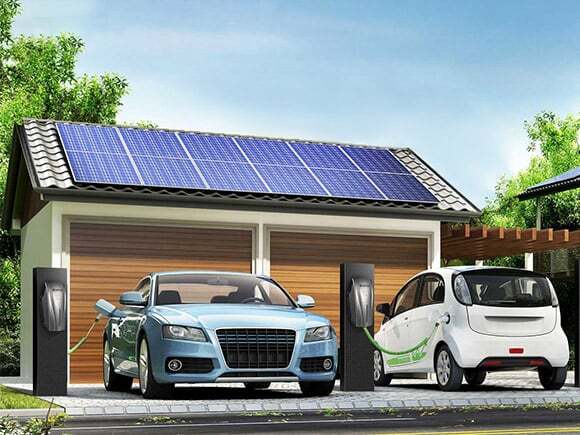
Navigating the digital-physical intersection requires strategic alignment with suppliers who offer components validated for both simulation software integration and severe environmental operations.
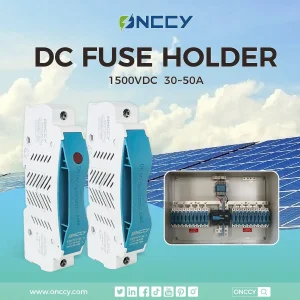
Global PV designs are stepping up from 1000V DC networks to high-performance 1500V topologies. Selecting the correct rapid shutdown devices, isolation switches, and fast-acting fuses is non-negotiable for protection against electrical surges and firefighter protection compliance.
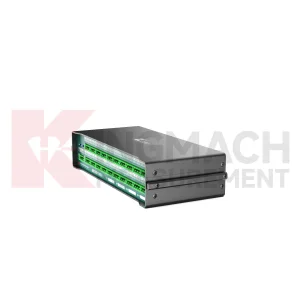
Modern components must feature integrated communications. Utilizing PV combiner boxes equipped with Modbus-RTU RS485 communication protocols ensures your physical systems feed performance telemetry directly back into SCADA control software.
Simulated calculations often underestimate real-world deterioration. Our hardware features IP66 / IP67 ingress protection, ensuring that outdoor isolator switches and components survive extreme solar radiation, rain, and dust.
Foshan SDEV Charger Co., Ltd. is a trusted manufacturer of protective components for photovoltaic systems across the globe. Our experience of working in the electrical industry for more than 30 years allows us to create solar DC components that comply with the latest DC standards. Through our focus on solar DC protection design, production, and marketing, we can bring brand-building PV protection solutions.
With the inheritance of 30+ years of experience in the research and production of DC protection products, we are continuously dedicated to the EV charging field. In recent years, SDEV has attentively invested resources in research on EV-related products, successively manufacturing other types of products, thus reaping wide market popularity across the world.
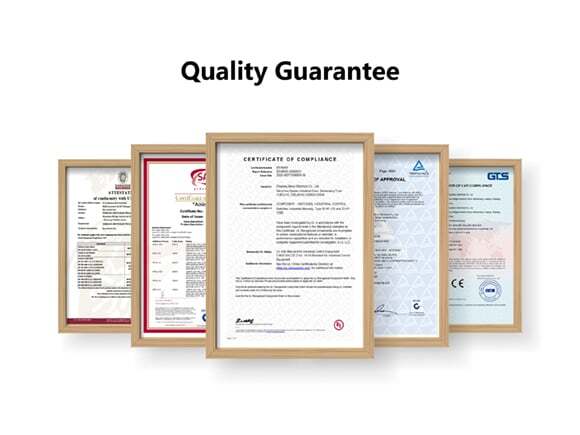
Quality is the primary goal among each of our workshops since this leads to the best performance and safety for any Solar, Storage, and EV charging system. Our commitment to quality increased brand awareness for your company. To achieve our goal, our factory and products comply with UL, SAA, CB, CE, TUV, ISO, and RoHS standards.
Achieving our goals come from formulating new products based on the market demands through our in-house R&D team. Our efforts have led to our first UL508i listed patented DC switch within China and the DC-PV2 DC switch produced for the global market. With our cutting-edge PV protective products and EV chargers, we aim to create a long-term partnership with many renewables companies.
Our engineering processes match digital modeling parameters with real physical attributes. By analyzing string behavior under different solar irradiance levels simulated via system tools, we develop fuses, circuit breakers, and rapid shutdown controllers that guarantee long-term operational lifespan.

As the solar industry embraces artificial intelligence, machine learning, and digital twin virtualization, electrical hardware must become smarter.
By integrating RS485 and wireless sensor nodes directly into standard combiner boxes, modern arrays transmit localized string data. This creates a feedback loop for performance modeling, enabling engineers to refine their layout parameters based on actual operation telemetry.
We are developing automated switches that trigger immediate protection when thermal sensors report micro-arc signatures. By mitigating fires before they start, our protection devices represent the vanguard of hardware-based asset management.
Structural alignment is key. Through structural CAD modeling tools, our modular supports are configured to adapt to dynamic snow and wind loads, providing a reliable mounting foundation that keeps panels aligned with predicted solar vectors.
A solar installation is only viable if it is permitted for connection. Globally, regulatory bodies such as the National Electrical Code (NEC) in the United States, CE directives in Europe, and SAA requirements in Australia enforce strict safety parameters for solar PV systems. For example, NEC 690.12 mandates module-level rapid shutdown for PV systems on buildings. Ensuring compliance with this rule requires components designed to interrupt DC lines safely at the source.
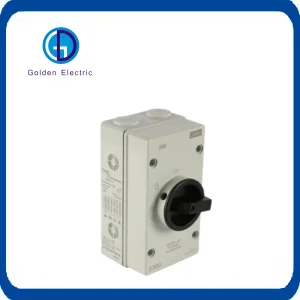
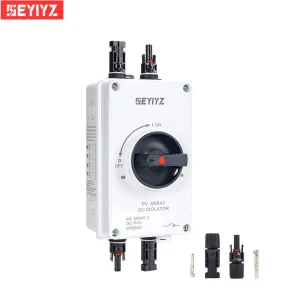
Specifically targeting manually operated disconnect switches, the UL508i standard guarantees the device can interrupt high-voltage DC current repeatedly without arc-induced erosion. SDEV's design and manufacture of patented switches to this standard ensures reliable local validation.
In the international market, DC switches must align with the IEC 60947-3 requirements for PV2 switchgear operation. This standard tests the device's capability to operate safely at full load under extreme DC current densities, critical for modern solar arrays.
Explore additional precision engineering solutions designed to secure, monitor, and regulate performance-critical PV systems.
Gain professional clarity regarding solar PV design tools, DC protection selection, and safety standards.
PV system design software (e.g., PVSyst) maps electrical configuration parameters including current thresholds, maximum DC voltage limits, and safety metrics. Physical DC components—like high-voltage fuses, isolator switches, and rapid shutdown systems—must match these modeled parameters. Using certified hardware protects the physical asset from deviation, overcurrents, and structural damage, bridging the gap between theoretical models and real-world system performance.
1500V DC architectures allow for longer string layouts, minimizing system wiring, combiner box requirements, and localized line losses. However, these systems exhibit higher arc-fault risks and require specialized components designed specifically to manage, isolate, and extinguish high-voltage DC arcs, verified by certificates such as UL 508i or IEC 60947-3 PV2 ratings.
Modbus-RTU over RS485 acts as the digital backbone of modern smart combiner boxes. It transmits real-time voltage, current, and temperature measurements from individual PV strings to localized monitoring units. This telemetry allows system engineers to detect module degradation, dynamic dust accumulation, and wiring faults immediately, optimizing Levelized Cost of Energy (LCOE).
Even when inverter units are shut down, utility solar arrays continue to produce hazardous DC voltage under daylight conditions. A rapid shutdown switch isolates the system at the module level (reducing string voltage below 80V within 30 seconds), preventing electrical shock risks for utility personnel and emergency responders.
Trusted suppliers must guarantee conformance with key global safety benchmarks, including: UL (North America), CE and TUV (Europe), SAA (Australia/Pacific), and CB/ISO standards for manufacturing processes. Compliance with these criteria guarantees safety, performance reliability, and rapid permitting processes.
 SDEV Charger