Explore our certified selection of electrical breakers, multi-circuit sensors, isolators, and safety controllers designed to protect solar grids globally.
Analyzing the critical intersection of modern solar farm asset protection, long-term testing compliance, and safety component integration.
As utility-scale photovoltaic (PV) developments expand to accommodate global net-zero mandates, plant designers face unprecedented mechanical and electrical stresses. Sustaining nominal output over a typical 25-to-30-year lifecycle demands more than robust solar panels; it calls for highly precise testing equipment, continuous telemetry feedback, and absolute fault-isolation capabilities.
Operating conditions have evolved. String voltages have scaled from 1000V DC to 1500V DC and above to curb balance-of-system (BOS) wiring budgets, meaning that insulation degradation, micro-cracking, potential-induced degradation (PID), and localized dust layer obstructions pose exponentially higher hazards than in the past. This whitepaper analyzes how high-performance testing mechanisms, combiner box controllers, and rapid-shutdown components prevent system failure, mitigate firefighter safety hazards, and sustain grid balance.
Foshan SDEV Charger Co., Ltd. is a trusted manufacturer of protective components for photovoltaic systems across the globe. Our experience of working in the electrical industry for more than 30 years allows us to create solar DC components that comply with the latest DC standards. Through our focus on solar DC protection design, production, and marketing, we can bring brand-building PV protection solutions.
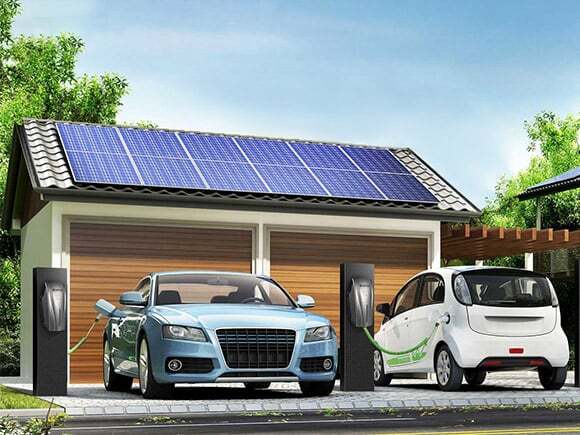
With the inheritance of 30+ years of experience in the research and production of DC protection products, we are continuously dedicated to the EV charging field. In recent years, SDEV has attentively invested resources in research on EV-related products, successively manufacturing other types of products, thus reaping wide market popularity across the world.
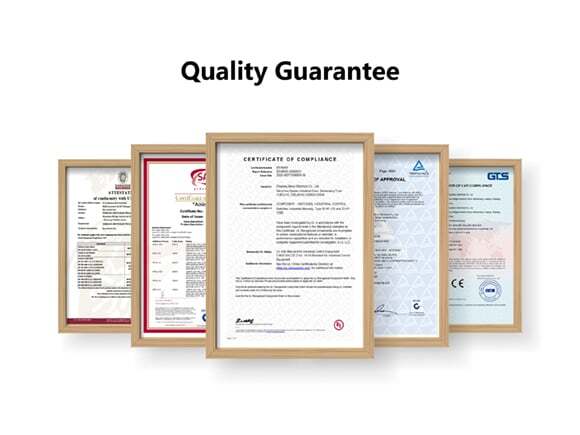
Quality is the primary goal among each of our workshops since this leads to the best performance and safety for any Solar, Storage, and EV charging system. Our commitment to quality increased brand awareness for your company. To achieve our goal, our factory and products comply with UL, SAA, CB, CE, TUV, ISO, and RoHS standards.
By enforcing a rigorous multi-stage quality control layout, we verify raw input validation, carry out high-pot electrical tests, and evaluate structural seals under simulated heavy precipitation environments. It ensures each module withstands the physical realities of outdoor setups.
Achieving our goals come from formulating new products based on the market demands through our in-house R&D team. Our efforts have led to our first UL508i listed patented DC switch within China and the DC-PV2 DC switch produced for the global market. With our cutting-edge PV protective products and EV chargers, we aim to create a long-term partnership with many renewables companies.
By addressing modern structural modifications like higher load switches, modular rapid shutdowns, and smarter interfaces, our R&D cycle stays closely aligned with utility sector transitions, preventing compatibility gaps in field operations.

How SDEV consolidates design, vertical raw-material integration, and swift regulatory testing to benefit global clients.
Being based in Foshan's premier manufacturing ecosystem permits us to source premium-grade polymers, copper conductors, and microelectronic chipsets with minimal transport time. This shortens prototype creation cycles and enables us to adjust output scales on short notice.
Our workshop integrates smart pick-and-place robotics, automated optical inspection (AOI), and laser etching lines. Automation yields high consistency across massive batches, making sure safety-critical switches behave uniformly under fault conditions.
We do not rely solely on downstream quality checking. Instead, we have integrated checkpoints throughout assembly: electrical continuity tests, dust-ingress proofing, and heat chambers to guarantee compliance with international guidelines.
Understanding and addressing localized demands to facilitate seamless customs clearing, site installation, and grid connection.
Different regions present varied operational requirements for PV components. While Europe relies heavily on strict CE and TUV Rheinland compliance rules, North American sites demand UL508i or UL1741 listings to pass municipal inspections. In Australia, SAA approvals are crucial for grid integration.
Our global support program helps clients manage these regional challenges through the following solutions:
| Market / Region | Essential Certifications | Critical Standards |
|---|---|---|
| European Union | CE, TUV, RoHS | EN 60947-3, EN 62109 |
| North America | UL, cUL | UL 508i, UL 9703 |
| Australia | SAA | AS/NZS 5033 Compliance |
| Global | CB, ISO 9001 | IEC 60364-7-712 |
Analyzing how different environments dictate component selection to maintain grid stability and protect electrical infrastructure.
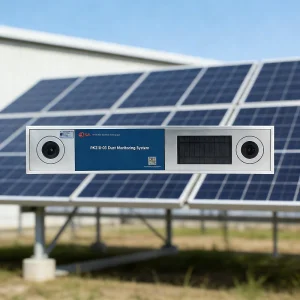
Desert solar farms experience high direct radiation but face heavy dust build-up and extreme temperature swings. Under these conditions, standard mechanical isolators can suffer internal thermal stress, and dust build-up can degrade module output. Using RS485-connected dust detection sensors helps operators monitor light loss in real time. Combined with IP67-rated enclosures, these systems are protected from fine sand and dust particles, maintaining insulation integrity and system reliability.
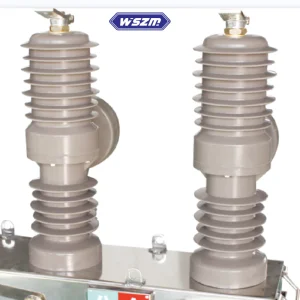
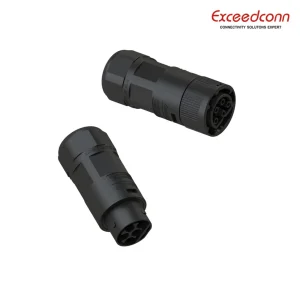
Floating solar installations utilize water surfaces to optimize space and improve cooling. However, they present high relative humidity levels, which can lead to moisture ingress and accelerated corrosion. IP68-rated cable couplers, waterproof junction boxes, and corrosion-resistant vacuum circuit breakers are essential here. Reliable seals prevent water ingress, helping to avoid line ground faults and maintain system safety over decades of operation.
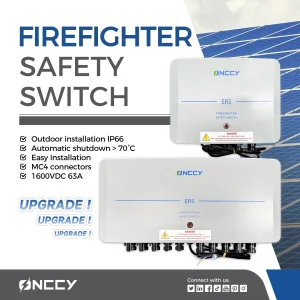
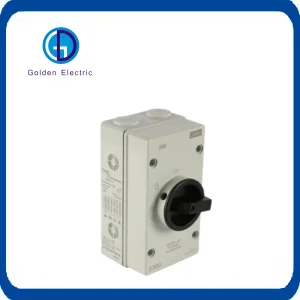
C&I rooftop solar projects place a strong emphasis on personnel safety. If a fire occurs, high-voltage DC lines must be quickly isolated to protect first responders. Installing 1000V DC rapid shutdown safety switches at the string level allows operators to instantly drop DC lines to safe voltage levels, complying with local building and electrical codes.
Highlighting the innovations driving safety, monitoring, and scale in the global photovoltaic sector.
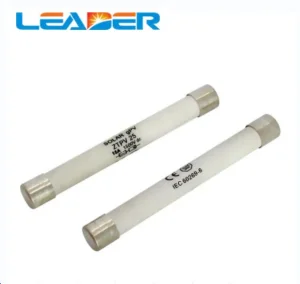
To reduce cable requirements and system costs, developers are looking toward 1500V and higher voltage ratings. This trend demands improved creepage distances, higher-rated fuses, and heavy-duty contact isolation to handle the increased electrical loads.
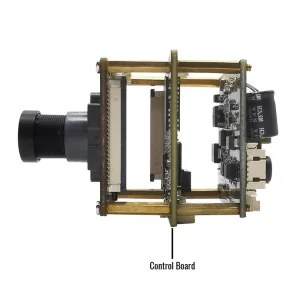
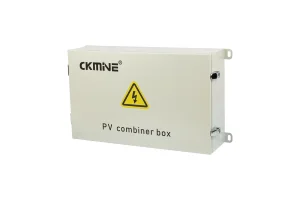
Modern PV combiner boxes are shifting from simple passive junctions to active smart devices. By monitoring channel-level performance and using AI camera tracking to identify shading and hot spots, systems can address potential issues before they cause damage.
As solar penetration grows, hybrid systems pairing solar generation with battery energy storage (BESS) are becoming common. This integration requires bidirectional protective devices capable of handling charge-discharge cycles without nuisance tripping.
Addressing key engineering questions regarding component selection, safety standards, and manufacturing lead times.
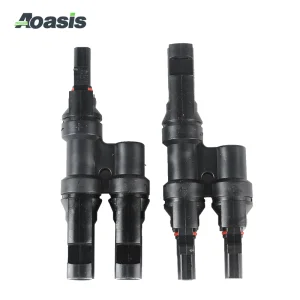
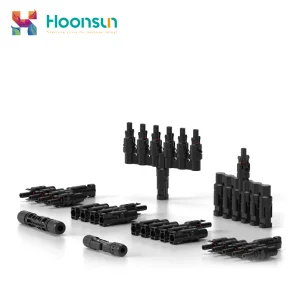
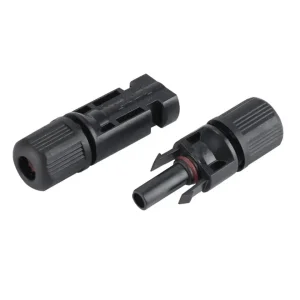
Complete your photovoltaic balance-of-system with our selection of array junction boxes, high-voltage fuses, and connector components.
 SDEV Charger