As the global economy shifts towards a decentralized, low-carbon future, the demand for Renewable Energy Certificates (RECs), International RECs (I-RECs), and Guarantees of Origin (GOs) has reached unprecedented heights. Corporate ESG mandates, RE100 commitments, and strict Scope 2 GHG accounting protocols require multi-national enterprises to purchase verified green energy attributes. However, a fundamental truth remains: behind every virtual REC traded on the carbon market lies a physical, high-performance solar PV system, energy storage network, or EV charging infrastructure that must run continuously and safely.
China has long established itself as the world’s leading hub for renewable energy equipment manufacturing. To support the global transition, modern manufacturing facilities must not only produce panels and inverters, but also the safety, control, and protective hardware that guarantees 99.99% system uptime. It is this operational integrity that ensures green megawatt-hours are reliably generated, measured, and subsequently converted into tradable RECs.
Foshan SDEV Charger Co., Ltd. is a trusted manufacturer of protective components for photovoltaic systems across the globe. Our experience of working in the electrical industry for more than 30 years allows us to create solar DC components that comply with the latest DC standards. Through our focus on solar DC protection design, production, and marketing, we can bring brand-building PV protection solutions.
With the inheritance of 30+ years of experience in the research and production of DC protection products, we are continuously dedicated to the EV charging field. In recent years, SDEV has attentively invested resources in research on EV-related products, successively manufacturing other types of products, thus reaping wide market popularity across the world.
By protecting renewable energy assets from surges, overcurrents, and ground faults, SDEV ensures that green energy facilities operate without interruption. This operational continuity translates directly into stable, audit-ready data tracking that forms the foundation of modern Renewable Energy Certificate registries.
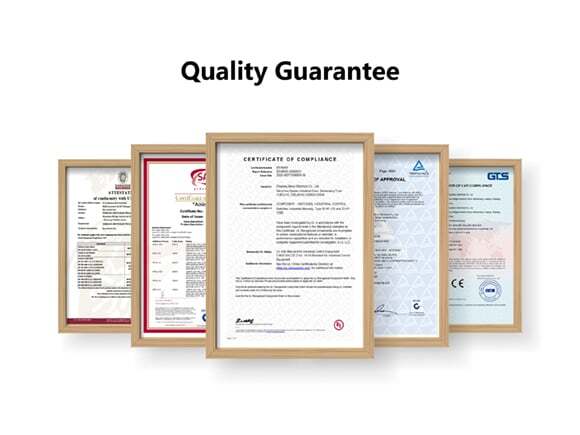
Quality is the primary goal among each of our workshops since this leads to the best performance and safety for any Solar, Storage, and EV charging system. Our commitment to quality increased brand awareness for your company. To achieve our goal, our factory and products comply with UL, SAA, CB, CE, TUV, ISO, and RoHS standards.
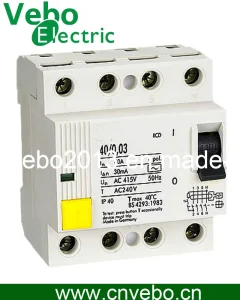
In high-voltage DC installations, equipment reliability directly mitigates the risk of catastrophic fires or grid imbalances. When companies invest in solar PV farms to generate offset credits, components certified by international testing bodies are non-negotiable. SDEV’s stringent manufacturing procedures ensure that every surge suppressor, circuit breaker, and isolator switch performs under extreme environmental conditions, safeguarding both life and green capital investments.

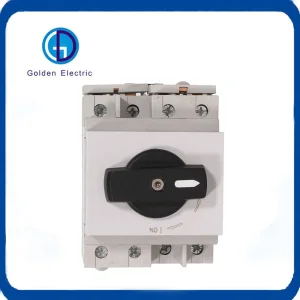
Achieving our goals comes from formulating new products based on the market demands through our in-house R&D team. Our efforts have led to our first UL508i listed patented DC switch within China and the DC-PV2 DC switch produced for the global market. With our cutting-edge PV protective products and EV chargers, we aim to create a long-term partnership with many renewables companies.
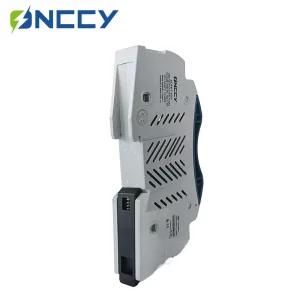
Specifically engineered for safe load-break isolation up to 1500V DC. Essential for heavy-duty commercial solar arrays producing certified renewable energy yields.
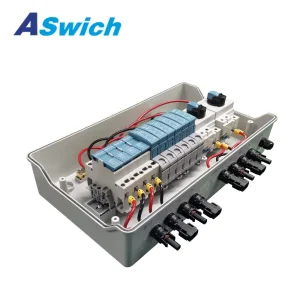
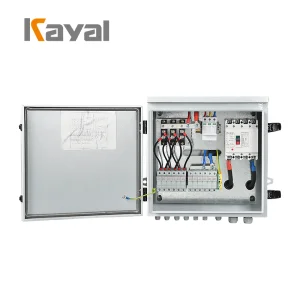
IP65 and IP67 weather-rated string junction units equipped with smart sensors, designed to identify anomalies prior to thermal runaway incidents.
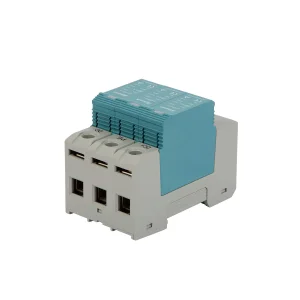
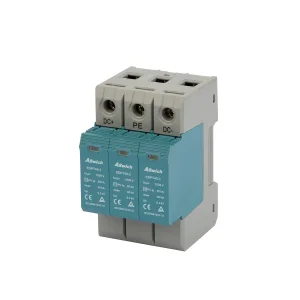
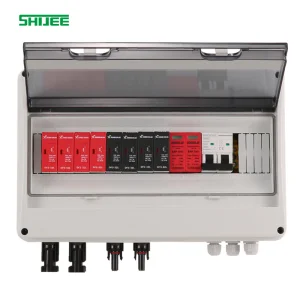
Integrated overcurrent and surge protection designed with high-grade metal oxide varistors (MOVs) to manage high peak electrical transients reliably.
As multinational corporations aim to achieve 100% renewable electricity under initiatives like RE100, the procurement strategy has evolved. Standard Power Purchase Agreements (PPAs) and REC acquisitions now involve deep tracing of system performance. In many jurisdictions, carbon audit processes require verifying that the renewable generation facility uses certified safety and distribution systems to prevent grid failures or loss of generation capacity.
In response to these trends, leading solar installation developers and EPC (Engineering, Procurement, and Construction) companies are seeking integrated suppliers in China. They need suppliers capable of delivering certified component setups at scale. SDEV addresses this requirement by providing fully certified DC protection hardware, ensuring projects meet local compliance codes (such as NEC in the United States and CE/TUV in Europe) and pass validation processes for REC generation.
Global corporate buyers looking to claim REC-related scope emissions reductions must ensure that the underlying assets remain functional. The key risks that can interrupt REC production include: 1. High-voltage lightning transients that destroy PV inverters. 2. Poor DC isolation leading to ground faults and automatic shutdowns. 3. Mechanical dust buildup reducing panel efficiency and skewing baseline generation metrics.
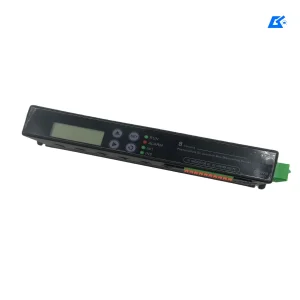
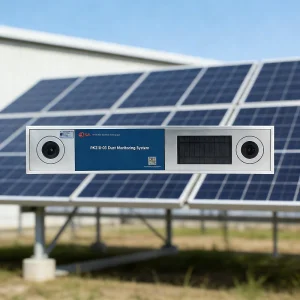
By using SDEV’s multi-circuit monitoring systems, smart dust detection nodes, and rugged DC isolators, plant developers maximize their energy output, which in turn leads to a consistent, predictable supply of Renewable Energy Certificates.
The future of Renewable Energy Certificates is moving towards automated, real-time tracking systems powered by IoT sensors and distributed ledger technologies (DLT). To support these initiatives, physical PV equipment must collect and transmit precise generation data from the source. SDEV's R&D department is focused on this integration by incorporating RS485 communication interfaces into our combiner boxes and monitoring units, allowing for clean data exports directly to local control centers or cloud databases.
This technical capability ensures that every kilowatt-hour generated is accurately recorded, simplifying verification for issuers like the International REC Standard (I-REC) and Gold Standard. Our technological development focuses on three primary areas:
Enabling larger string systems with reduced balance of system (BOS) costs, supported by our UL508i-listed DC isolation switches.
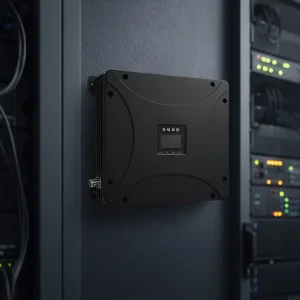
Real-time current measurement, fuse health monitoring, and environmental logging to detect issues before they impact energy yields.
Automated rapid shutdown devices (RSD) and surge protective devices (SPDs) designed to protect valuable inverter systems.
RECs are issued based on the actual megawatt-hours (MWh) generated by a renewable energy system and fed into the grid. If a solar plant suffers downtime due to a surge, ground fault, or switch failure, it cannot generate electricity or earn RECs. High-quality DC protection components ensure consistent generation and maximize REC revenues.
Unlike AC current, DC current does not have a natural zero-crossing point, making it harder to extinguish electrical arcs. The UL508i standard specifies rigorous testing for switches under load to ensure they can safely disconnect power in emergencies without creating electrical arcs or fire hazards.
Dust and particulate accumulation can reduce solar panel efficiency by up to 25%. Implementing an intelligent dust detection system allows operators to optimize cleaning schedules, maintaining high energy generation levels and ensuring maximum REC creation.
Yes. SDEV design solutions range from 4-string to multi-circuit configurations. These systems integrate circuit breakers, surge protectors, and monitoring units, and are built to comply with CE, TUV, and UL specifications to match diverse national grid codes.
 SDEV Charger