In the era of the "Great Energy Transition," Power Conversion Units (PCUs) have evolved from simple electrical components to the intelligent heart of global energy infrastructure. As the world shifts toward decentralized power generation, the demand for highly efficient, reliable, and "smart" PCUs has surged. From utility-scale solar farms in the Gobi Desert to residential EV charging networks in suburban Europe, the core challenge remains the same: Efficiently managing the bridge between DC and AC power while ensuring system safety.
Current industrial status indicates a massive pivot toward high-voltage DC architectures. Standard 600V systems are rapidly being replaced by 1000V and 1500V topologies to reduce BOS (Balance of System) costs and improve transmission efficiency. China, as the world's primary manufacturing hub, now supplies over 70% of the global PV and EV protection components, driven by technological breakthroughs in material science and semiconductor integration.
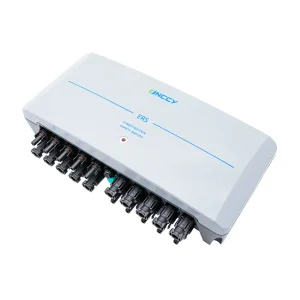
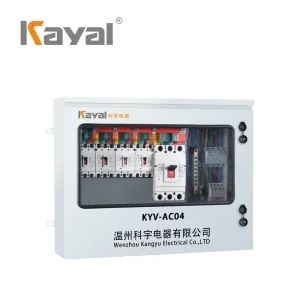
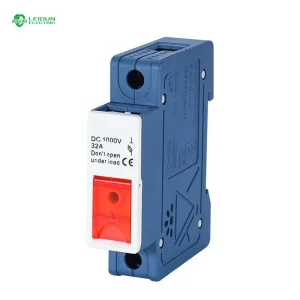
High-capacity 1500V DC protection systems, including combiner boxes and pole-mounted disconnectors, optimized for extreme environments and high-altitude derating.
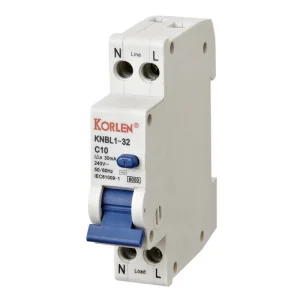
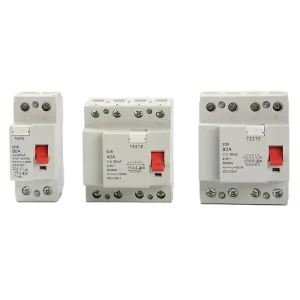
End-to-end AC/DC charging components including RCCB Type B protection, ensuring safety for high-frequency leakage currents common in EV charging.
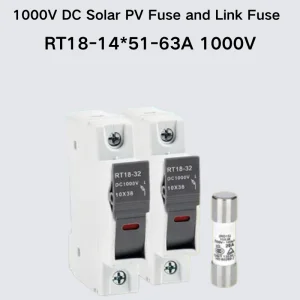
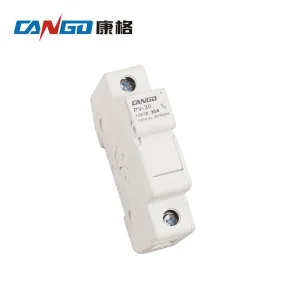
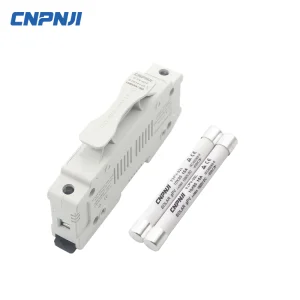
Advanced circuit protection for battery energy storage systems, focusing on fast-acting fuses to mitigate high-fault current risks in lithium-ion banks.
Foshan SDEV Charger Co., Ltd. is a trusted manufacturer of protective components for photovoltaic systems across the globe. Our experience of working in the electrical industry for more than 30 years allows us to create solar DC components that comply with the latest DC standards. Through our focus on solar DC protection design, production, and marketing, we can bring brand-building PV protection solutions.
With the inheritance of 30+ years of experience in the research and production of DC protection products, we are continuously dedicated to the EV charging field. In recent years, SDEV has attentively invested resources in research on EV-related products, successively manufacturing other types of products, thus reaping wide market popularity across the world.
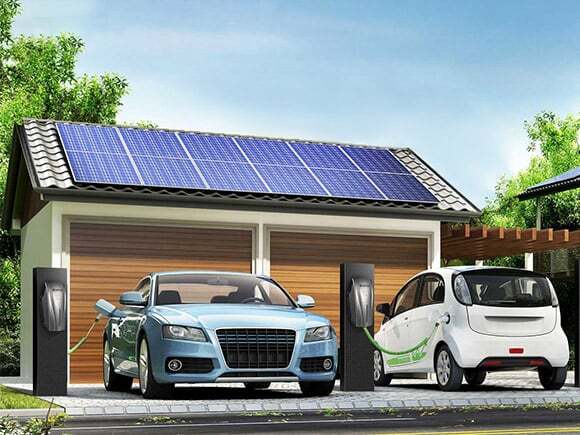
The roadmap for SDEV power conversion units is defined by three pillars: Efficiency, Intelligence, and Modularization.
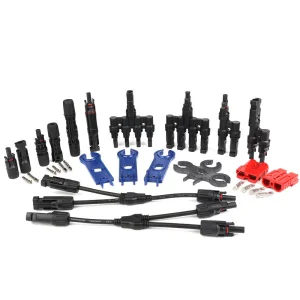
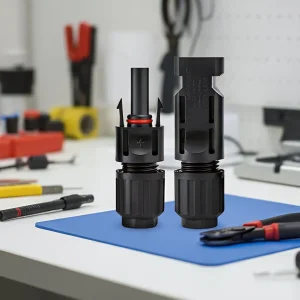
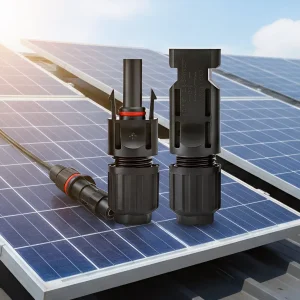
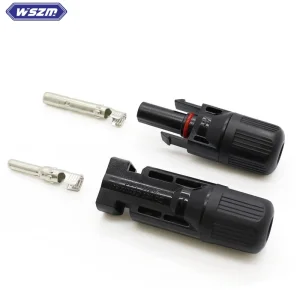
Phase 1 (2024-2025): Full integration of IP68-rated connectivity across all PV lines. Expansion of UL508i listed DC switches to cover 1500V residential and commercial applications.
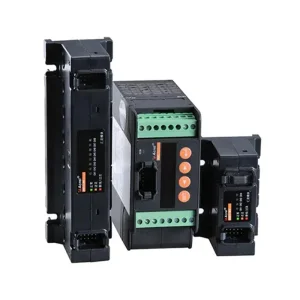
Phase 2 (2026-2028): AI-assisted diagnostic modules embedded within combiner boxes. Using edge computing to detect "arc-fault" signatures before they lead to fire hazards.
Phase 3 (2029+): Solid-state circuit breakers and bi-directional PCUs for Vehicle-to-Grid (V2G) applications, enabling EVs to become mobile power banks for the smart city infrastructure.
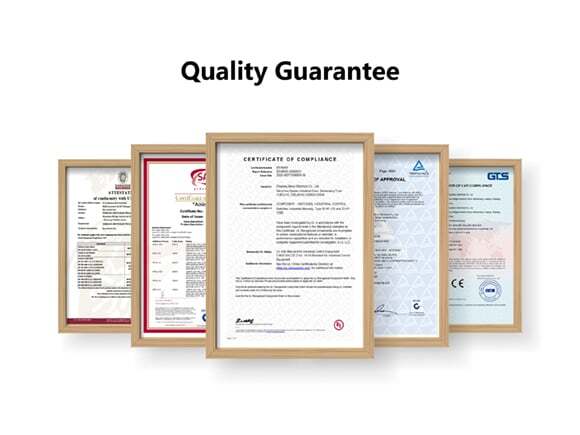
Quality is the primary goal among each of our workshops since this leads to the best performance and safety for any Solar, Storage, and EV charging system. Our commitment to quality increased brand awareness for your company. To achieve our goal, our factory and products comply with UL, SAA, CB, CE, TUV, ISO, and RoHS standards.
Achieving our goals come from formulating new products based on the market demands through our in-house R&D team. Our efforts have led to our first UL508i listed patented DC switch within china and the DC-PV2 DC switch produced for the global market. With our cutting-edge PV protective products and EV chargers, we aim to create a long-term partnership with many renewables companies.

 SDEV Charger