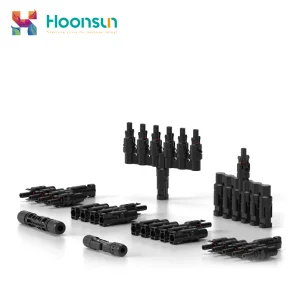
Explore our premium system component lineup engineered to sustain off-grid reliability, optimize safety interfaces, and ensure maximum power conversion efficiency.
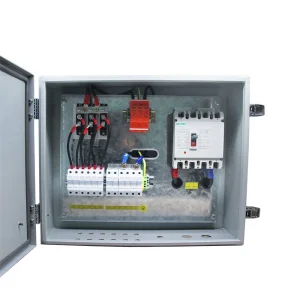
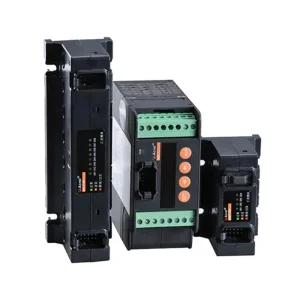
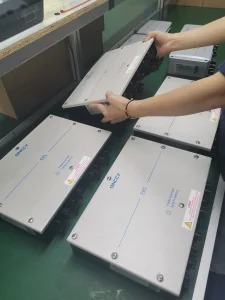
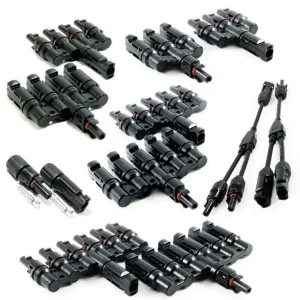
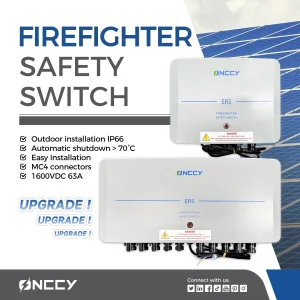
The global demand for off-grid energy architecture is shifting from basic rural domestic supply to highly sophisticated industrial and commercial microgrids. As utilities confront capacity constraints and energy distribution networks require decentralized resilience, off-grid systems provide critical operational security. To meet the demands of global EPC contractors and system integrators, these components must support voltages up to 1500V DC under diverse environmental conditions.
As standard-setting configurations grow more complex, maintaining low contact resistance, smart isolation control, and millisecond-level surge protection is essential. This document explains the technical standards, supply chain dynamics, and component innovations that define top-tier China off-grid solar equipment exporters.
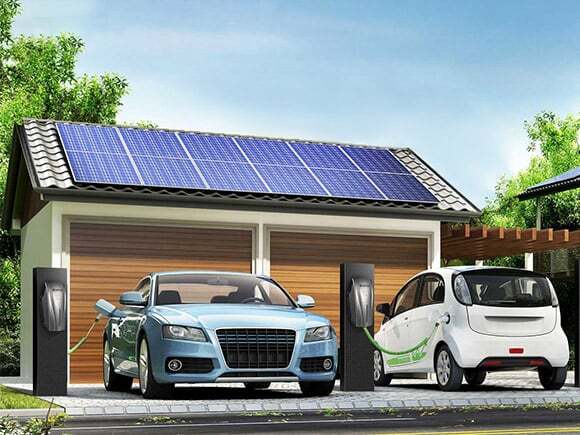
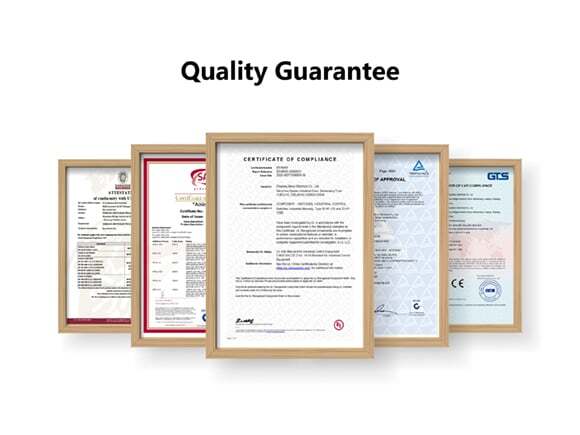
Foshan SDEV Charger Co., Ltd. is a globally recognized manufacturer of specialized protective components for photovoltaic systems. Backed by over 30 years of experience in the electrical industry, SDEV designs and manufactures solar DC components that meet the latest international standards. Our core focus centers on the research, production, and marketing of solar DC protection products and EV charging technologies.
“SDEV's 30+ year engineering foundation in DC circuit design guarantees that our components provide reliable protection across EV charging systems, solar combiner arrays, and hybrid utility storage plants.”
To support global safety requirements, SDEV's manufacturing facilities and output comply with UL, SAA, CB, CE, TUV, ISO, and RoHS standards. This certified baseline enables our partners to construct utility-grade distribution arrays with confidence.
Analyzing the raw material access, engineering expertise, and industrial clustering that allow Chinese manufacturers to produce reliable PV protection hardware at scale.
China's PV ecosystem combines raw polysilicon processing, copper alloy extrusion, precision plastics injection molding, and microelectronics assembly within localized industrial hubs. This layout minimizes logistics delays and ensures component consistency across the supply chain.
Chinese manufacturers continue to invest in proprietary intellectual property. SDEV engineered and patented the first UL508i-listed DC switch in China, demonstrating the industry's focus on high-voltage DC load isolation and safety testing.
Exported components undergo testing to satisfy strict international standards. Compliance with UL, CE, SAA, TUV, and RoHS verifies that these off-grid products can be integrated directly into projects across the Americas, Europe, and Asia-Pacific.
Meeting our development goals relies on designing new products tailored to changing market demands through our in-house R&D team. These engineering efforts led to our first UL508i-listed patented DC switch in China, alongside the DC-PV2 switch developed for global markets.
By pairing high-voltage protective hardware with EV charging interfaces, SDEV creates long-term integration partnerships with renewable energy developers, EPC contractors, and global system distributors.

Examining how high-performance combiner boxes, isolation switches, and monitoring systems perform under specialized and challenging operating conditions.
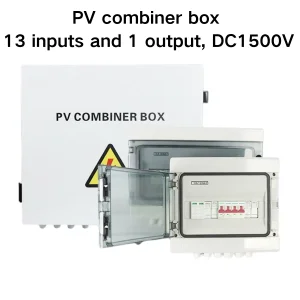
Large-scale factories in areas with high grid tariffs use off-grid hybrid arrays to offset peak utility charges. These setups require multi-string DC combiner boxes (up to 24 strings) that handle continuous loads and provide protection against overcurrent and voltage spikes.
Off-grid irrigation systems rely on reliable motor control. Using variable frequency drive (VFD) water pump inverters alongside IP67-rated solar junction boxes ensures stable operation in dusty, high-humidity agricultural regions.
Telecom towers in mountainous or desert areas require robust component engineering. Using materials with high temperature thresholds, combined with precise DC breakers and fuses, protects these unmanned stations from environmental wear and fire risks.
Learn about the internal quality assurance processes, thermal tests, and material selection standards that help keep SDEV components operating reliably over long lifecycles.
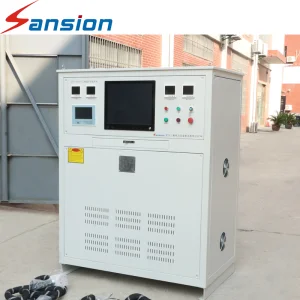
Thermal fatigue is a common cause of DC component failure. Top-tier factories test products using high-current temperature rise systems to monitor contacts under full electrical loads, preventing thermal runaway in the field.
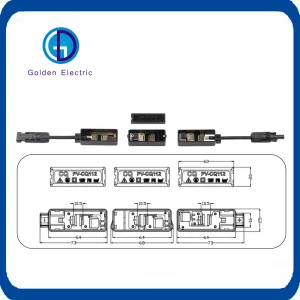
Outdoor components must withstand long-term solar exposure. We construct our junction boxes and MC4-compatible connectors using specialized polycarbonate materials containing UV-resistant stabilizers to prevent cracking and ingress over decades of service.
In emergency scenarios, rapid isolation of the DC voltage source is critical for first responder safety. SDEV firefighter switches are engineered to trip within milliseconds when AC power is interrupted, complying with modern safety regulations.
Answering common technical and integration questions asked by solar EPCs, quality control inspectors, and design engineers.
Complete your balance-of-system requirements with our verified selection of high-current fuses, thermal testers, and specialized industrial system components.
 SDEV Charger