Explore our elite selection of PV components, solar safety devices, and integrated power units designed for resilient global energy infrastructure.
The cornerstone of grid grid-stabilization, industrial peak-shaving, and the decarbonized global economy.
The rapid shift toward renewable power sources such as solar photovoltaics (PV) and wind turbines has accelerated the demand for large-scale utility and industrial-grade Battery Energy Storage Systems (BESS). Across North America, Europe, and the Asia-Pacific region, grid reliability is no longer guaranteed by fossil-fueled rotating reserves alone. Instead, modern grids rely on electrochemical storage systems to absorb midday surplus solar output and release it during peak-load evening hours.
In commercial and industrial (C&I) installations, energy storage serves as a vital safeguard against voltage sags, power interruptions, and volatile peak-demand charges. By integrating high-capacity lithium iron phosphate (LFP) or sodium-ion battery arrays, large-scale enterprises can implement smart peak-shaving protocols, manage local microgrids, and run critical processes uninterrupted. This transition relies not just on the cells themselves, but on complete system engineering—integrating highly responsive DC circuit protection, specialized isolators, and intelligent thermal management architectures.
China's dominance in the energy storage battery and component export market is built on massive vertical integration, localized raw material refining, and highly automated Gigafactories. This concentration allows for rapid R&D iteration, precise dimensional quality control, and exceptional cost efficiency that cannot be matched in fragmented supply chains.
Foshan SDEV Charger Co., Ltd. is a trusted manufacturer of protective components for photovoltaic systems across the globe. Our experience of working in the electrical industry for more than 30 years allows us to create solar DC components that comply with the latest DC standards. Through our focus on solar DC protection design, production, and marketing, we can bring brand-building PV protection solutions.
With the inheritance of 30+ years of experience in the research and production of DC protection products, we are continuously dedicated to the EV charging field. In recent years, SDEV has attentively invested resources in research on EV-related products, successively manufacturing other types of products, thus reaping wide market popularity across the world.
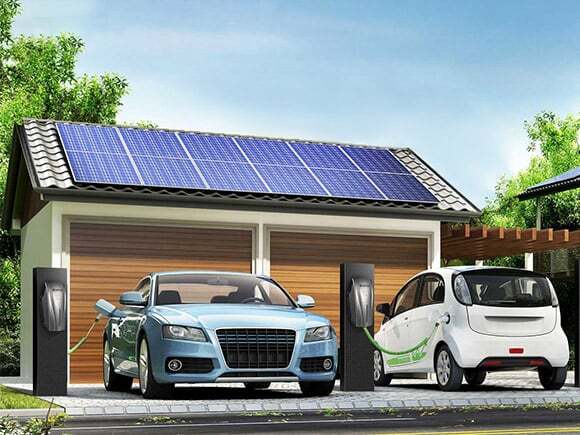
High-voltage battery energy storage units store massive amounts of energy in compact volumes, making circuit protection, isolating switches, and grounding architectures critical safeguards against catastrophic failures. Standard protection is not enough; systems must meet stringent global standards to ensure life safety and asset protection.
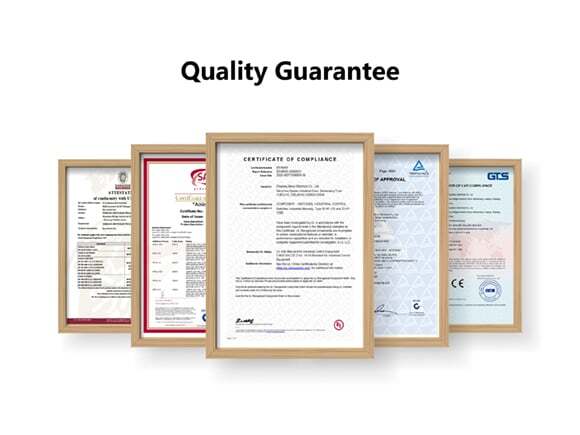
Quality is the primary goal among each of our workshops since this leads to the best performance and safety for any Solar, Storage, and EV charging system. Our commitment to quality increased brand awareness for your company. To achieve our goal, our factory and products comply with UL, SAA, CB, CE, TUV, ISO, and RoHS standards.
The transition from traditional power distribution to smart, bi-directional clean energy grids requires constant technological evolution. At SDEV, our development pipeline is driven by real-world field demands, utility-scale testing, and close collaboration with global battery system integrators.
Achieving our goals come from formulating new products based on the market demands through our in-house R&D team. Our efforts have led to our first UL508i listed patented DC switch within china and the DC-PV2 DC switch produced for the global market. With our cutting-edge PV protective products and EV chargers, we aim to create a long-term partnership with many renewables companies.
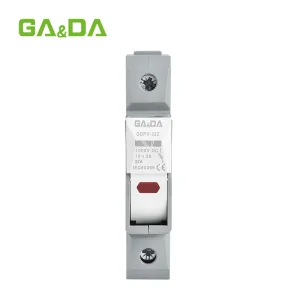
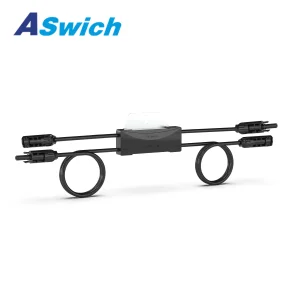
By integrating advanced overcurrent protection (like our 32A 10x38mm DC PV Fuses) and automated disconnection devices (such as Aswich Rapid Shutdown systems), we help protect energy storage installations against transient faults, localized thermal events, and grid anomalies.

From remote industrial sites to urban microgrids, custom applications require specialized protection and power conversion technologies.
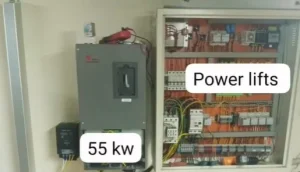
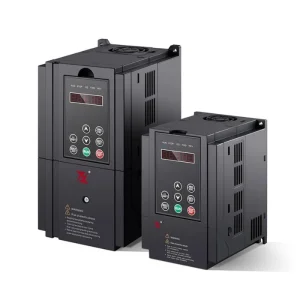
Mining operations, agricultural complexes, and islanded communities leverage high-voltage battery arrays paired with solar pump inverters (e.g., our 380V 132kW Inverters) to replace diesel generators, dramatically reducing emissions and lowering lifetime operational costs.
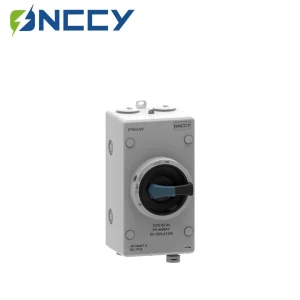
Manufacturing facilities utilize large energy storage cabinets to offset utility peak-demand charges. Rapid shutdown safety switches and DC isolators protect the system's high-voltage DC bus, ensuring safe manual maintenance and immediate fault containment.
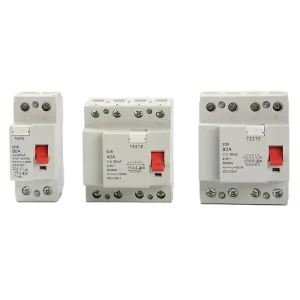
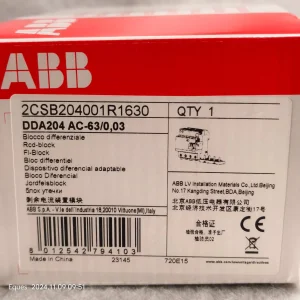
As EV fast-chargers strain municipal distribution transformers, charging stations integrate local BESS units to buffer demand. Integrating residual current device blocks (RCDs) protects against ground faults, safeguarding public users.
The technological and regulatory movements shaping the next decade of decentralized utility-scale grids.
The energy storage landscape is evolving rapidly, driven by chemistry innovations, safety standards, and smarter system control interfaces. Procurement professionals and utility engineers must monitor these key trends:
A strategic framework for evaluating battery cell quality, electrical protection integration, and supplier compliance.
When sourcing industrial and utility-scale battery storage configurations from Chinese exporters, international procurement teams must focus on three core areas to ensure long-term ROI and operational safety:
Ensure your supplier uses cells with full QR code traceability, documenting internal impedance, voltage matching, and raw material sourcing from verified suppliers.
Verify that DC protection devices—such as solar DC fuses, firefighter safety switches, and DC isolators—are properly coordinated with the battery management system to prevent thermal runaway propagation.
Ensure international standard compliance (UL 9540A, IEC 62619, and UN38.3). These certifications are essential for grid connection approvals and obtaining site insurance coverage.
Expert technical answers addressing battery integration, protection safety, and installation workflows.
Battery energy storage systems store direct current (DC) that can produce high short-circuit currents during a fault. Unlike AC circuits, DC currents have no natural zero-crossing point, making electrical arcs difficult to extinguish. Specialized DC isolation switches, rapid shutdown devices, and high-voltage DC fuses are critical to isolate faults quickly, preventing damage to the battery modules and reducing thermal runaway risks.
Lithium Iron Phosphate (LFP) is the industry standard for commercial and industrial BESS due to its high thermal stability, long cycle life (6,000+ cycles), and low risk of thermal runaway. Ternary Lithium (NMC) offers higher energy density but has lower thermal limits and is primarily used in mobile applications. Sodium-ion is an emerging technology that performs well in extreme cold and offers lower raw material costs, though it currently has lower energy density.
Large lithium-ion batteries are classified as Class 9 Dangerous Goods. Exporters must provide UN38.3 test summaries, safety data sheets (SDS), and comply with IMDG (sea) or IATA (air) packaging regulations. Working with experienced exporters like SDEV ensures all international shipping documentation and safety certifications are correctly managed.
The inverter converts the battery's stored DC power into grid-compliant AC power (or vice versa during charging). Communication occurs via CAN bus or Modbus protocols, allowing the battery's BMS to report real-time voltage, current, and temperature data. The inverter adjusts charging rates based on these metrics to prevent overcharging or overdischarging.
In emergency scenarios like building fires, firefighters need to isolate high-voltage DC lines from solar panels. A rapid shutdown switch (such as the Aswich ERP Series) disconnects DC current at the module level within seconds, reducing voltages to safe levels and protecting emergency personnel from electrical hazards.
Explore high-capacity inverters, residual current monitors, and customizable grid transformers to round out your system infrastructure.
 SDEV Charger