How to Upgrade Safety Devices in Your Existing PV Systems?

Time:2026-07-08 Author:Sienna
0%

Upgrading safety devices in existing PV systems is essential for enhancing reliability and performance. Many solar energy systems were installed years ago, often lacking the latest technology. Over time, components can degrade, posing safety risks. Consequently, it is crucial to know how to upgrade safety devices in existing PV systems.

With advancements in solar technology, outdated components can hinder optimal performance. Upgrading these safety devices ensures that systems remain compliant with current standards. For instance, installing modern surge protectors can shield against voltage spikes. Moreover, integrating better circuit breakers can reduce fire hazards significantly.

However, upgrading can be complex. Owners must assess their specific systems and determine the best approach. It requires expert knowledge to identify the most suitable devices. Engaging reliable professionals can make this process more efficient and safer. It is important to reflect on past installations and recognize areas needing improvement. Investing in safety upgrades can lead to better energy output and peace of mind.
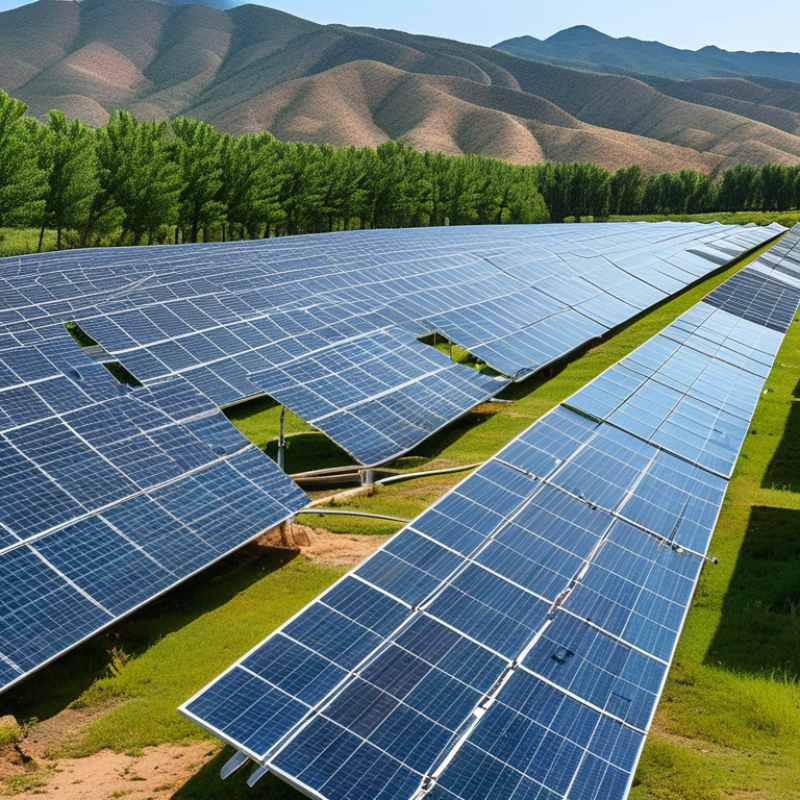
How to Upgrade Safety Devices in Your Existing PV Systems?

Best Practices for Assessing Current Safety Devices in PV Systems

When evaluating the safety devices in your existing PV systems, start with a thorough inspection. Look for visible wear and tear on circuit breakers, fuses, and disconnect switches. Check for corrosion or rust, as these can significantly compromise safety. Regular maintenance is crucial, yet many overlook it, which can lead to hidden failures.

Involve a qualified technician to assess the current safety features. They can identify outdated devices that may not meet current standards. This includes voltage surge protectors and ground fault detection systems. Don’t hesitate to ask for a detailed report. Understanding your system's vulnerabilities can guide you in making essential upgrades.

Document all safety assessments and recommendations. This will create a roadmap for future improvements. Consider feedback from inspections as a learning process. Recognizing the gaps in your safety devices paves the way for a robust upgrade strategy. Upgrade measures not only protect your investment but also enhance overall safety for users and the environment.

Understanding Common Safety Standards and Regulations in Solar Energy

Upgrading safety devices in existing photovoltaic (PV) systems is crucial. Compliance with safety standards ensures the protection of both personnel and equipment. Organizations like the International Electrotechnical Commission (IEC) set essential guidelines. IEC 62109 outlines safety requirements for power converters in PV systems. Following these standards helps mitigate risks associated with electrical faults.

Regularly reviewing system components is vital. Many older installations lack modern safety features like surge protection. An update can enhance overall system reliability and efficiency. According to the National Renewable Energy Laboratory (NREL), integrating advanced inverter technology can reduce system downtime by 30%. Older systems may not respond effectively during fault conditions, leading to potential safety hazards.

**Tips:**
Consider evaluating your system's grounding and bonding practices. Improper grounding can lead to electrical hazards. Regularly inspect wiring and connections for degradation. Engaging a certified technician for thorough assessments can minimize risks. Always ensure that installations meet the latest local regulations, as they evolve over time. Staying informed is key in maintaining a safe solar energy system.

Safety Device Upgrades in PV Systems

Evaluating the Performance of Existing Safety Devices: Key Metrics

When evaluating the performance of existing safety devices in photovoltaic (PV) systems, several key metrics play a critical role. These metrics include response time, failure rate, and overall effectiveness. According to recent industry reports, about 30% of incidents in solar power systems are linked to failure in safety devices. Regular assessments can help detect potential weaknesses before they lead to significant issues.

Response time is vital for ensuring safety. A typical safety device should activate within milliseconds. Delayed reactions can result in excessive damage or hazardous situations. Monitoring data from the Solar Energy Industries Association indicates that devices with faster response times can reduce accident rates by up to 50%. Failure rates of existing devices, often hovering around 10%, must also be closely examined. Analyzing these metrics allows for proactive measures in upgrading or replacing outdated technology.

While these measurements offer a clear picture, one must acknowledge their limitations. Not all devices perform the same under various environmental conditions. Some safety devices may work perfectly in test scenarios but fail in real-world situations. Regular statistical reviews can provide insights, but they may also reveal underperformance areas that require urgent attention. Investing in continuous monitoring and analysis is essential for maintaining system integrity and enhancing safety in PV installations.

How to Upgrade Safety Devices in Your Existing PV Systems? - Evaluating the Performance of Existing Safety Devices: Key Metrics

Safety Device Type Current Status Performance Rating (1-10) Upgrade Recommendation Notes
Surge Protection Device Functional 6 Consider upgrading to a higher rating Check for recent model advancements
Circuit Breaker Needs replacement 4 Replace with a smart breaker Current breaker has memory issues
Isolation Switch Functional 7 Monitor for wear Check operation under load
Fire Safety Device Up to code 8 Periodic testing recommended Considerations for new tech
Ground Fault Protection Functional 9 Keep current system High reliability noted

Upgrading Safety Devices: Selecting the Right Technology and Products

Upgrading safety devices in your existing photovoltaic (PV) systems is crucial for enhancing reliability. The right technology selection is vital. First, consider the types of safety devices available. Circuit breakers, surge protectors, and disconnect switches are common choices. Each has unique benefits based on your system's needs.

When evaluating products, pay attention to certifications. Devices with safety standards can provide peace of mind. Look for options tested under recognized protocols. This guarantees performance and resilience. Proper installation significantly impacts device functionality. Hire experienced professionals to ensure everything meets safety codes.

Tips: Regularly inspect your devices. Wear and tear can lead to failures. Consider replacement intervals based on usage. Always align upgrades with technological advancements. Staying informed enhances safety and efficiency. Remember that no system is foolproof, so plan for contingencies. Enhancing your PV system requires thoughtful choices tailored to specific requirements.

Implementing Regular Maintenance and Testing for Enhanced Safety in PV Systems

Regular maintenance is crucial for enhancing the safety of photovoltaic (PV) systems. Over time, equipment can wear down or become less efficient. For example, loose connections or corroded parts can lead to serious hazards. Conducting routine inspections can catch these issues early. A qualified technician should perform tests on inverters, wiring, and safety devices to ensure optimal operation.

Testing should be thorough yet consistent. Employing methods like thermal imaging can identify hotspots, indicating potential failures. Regular cleaning of solar panels also plays a vital role in safety and efficiency. Dirty panels can cause overheating, leading to malfunctions. It’s easy to overlook small details, but they can result in significant problems.

Documentation of all maintenance and testing activities is essential. This record helps track performance and safety improvements over time. Over time, inconsistencies in maintenance schedules may arise. This emphasizes the need to prioritize regular reviews of practices. Maintaining safety in PV systems is an ongoing commitment that pays off in risk reduction and reliability.

FAQS

: How often should I inspect my PV system's safety devices?

: Regular inspections are crucial. Aim for at least once a year to catch wear and tear early.

What should I look for during my inspection?

Check for corrosion, rust, and visible damage on breakers, fuses, or switches.

Why is it important to involve a qualified technician?

They can identify outdated devices that may not meet current safety standards effectively.

What do I do if I find a safety issue?

Document the findings and seek professional advice for necessary upgrades or repairs.

How can I ensure compliance with safety standards?

Follow guidelines set by relevant organizations and review updates regularly.

What common safety features might older systems lack?

Older systems often lack modern surge protection and advanced inverter technology.

How does upgrading my system affect safety?

Upgrading can significantly enhance reliability and reduce risks of electrical faults.

Is grounding important for my PV system?

Yes, improper grounding can lead to severe electrical hazards. Regular checks are essential.

What should I do if I lack technical knowledge?

Consult a certified technician to assess your system thoroughly and ensure safety.

How can documentation help me in the long run?

Keeping records of assessments creates a clear roadmap for future improvements.

Conclusion

Upgrading safety devices in existing PV systems is essential to ensure optimal performance and compliance with safety standards. The first step involves assessing the current safety devices in use, evaluating their effectiveness against common safety standards and regulations in the solar energy sector. It is crucial to focus on key performance metrics to determine whether upgrades are necessary.

Once a thorough assessment is complete, selecting the right technology and products for upgrading safety devices becomes a priority. Implementing regular maintenance and testing protocols further enhances the safety of PV systems, ensuring they operate effectively over time. By following these best practices on how to upgrade safety devices in existing PV systems, operators can significantly improve safety, reliability, and efficiency.

Sienna

Sienna

Sienna is a skilled marketing professional with a deep expertise in our company’s core products and services. With a passion for innovation and detail, she plays a pivotal role in crafting insightful blog posts that not only highlight the unique features of our offerings but also provide valuable......