How to Troubleshoot PV Surge Protection Devices Effectively?

Time:2026-06-07 Author:Ethan
0%

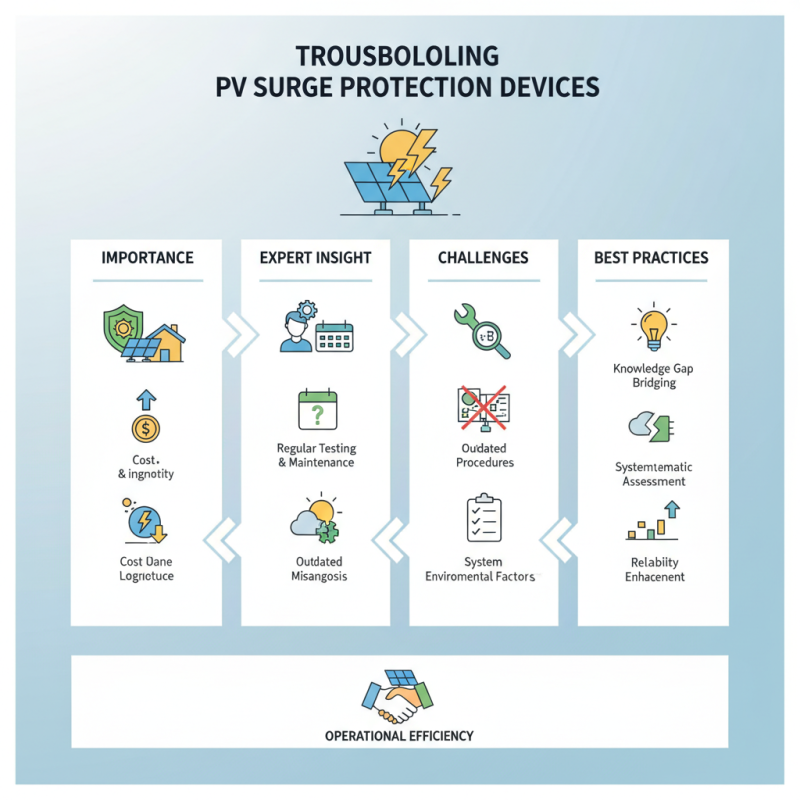
In the realm of photovoltaic (PV) systems, surge protection devices (SPDs) play a critical role in ensuring longevity and safety. According to a recent report by the International Electrotechnical Commission, improper SPD installation or maintenance can lead to severe damage, costing facilities thousands in repairs. To address this, understanding how to troubleshoot PV surge protection devices efficiently is essential.

Expert John Smith, a renowned figure in renewable energy systems, emphasizes, “Regular testing and maintenance of surge protection devices cannot be overlooked.” This statement highlights the growing importance of effective troubleshooting methods. As solar energy adoption rises, SPDs must perform reliably under various conditions.

Many technicians still face challenges in identifying issues with SPDs. Outdated testing procedures and lack of proper training can lead to misdiagnosis. Assessing environmental factors and system configurations is crucial. Misunderstanding these elements can result in ineffective protection. It is vital to bridge this knowledge gap to enhance the reliability of PV systems. Observing best practices and expert recommendations will foster better operational efficiency in dealing with surge protection devices.
How to Troubleshoot PV Surge Protection Devices Effectively?

Identifying Common Issues with PV Surge Protection Devices

Surge protection devices (SPDs) are essential for photovoltaic (PV) systems, preventing damage from voltage spikes. However, common issues can compromise their effectiveness. According to a recent industry report, around 30% of SPDs fail due to inadequate system design or installation errors. Properly identifying these problems is crucial for ensuring a reliable solar installation.

One frequent issue is insufficient grounding. If the grounding system is not designed correctly, it can lead to increased risks. Lightning strikes can create harmful currents that bypass SPDs. Regular checks of grounding connections can help maintain system integrity. Maintenance should include inspecting for corrosion and ensuring connections are tight.

Many users overlook the lifespan of surge protection devices. SPDs degrade over time, especially after multiple surges. A study indicates that devices exposed to frequent surges may require replacement every three to five years. Regularly testing SPDs ensures they remain operational.

Tips: Keeping a maintenance log can document when inspections occur. Investing in monitoring systems can alert you to possible malfunctions. To improve reliability, ensure all components of the system are compatible and rated for your specific application.

Understanding the Functionality of PV Surge Protection Devices

PV surge protection devices (SPDs) play a critical role in safeguarding photovoltaic (PV) systems from voltage spikes. These devices are designed to divert excess electrical energy caused by surges, such as lightning strikes or grid failures. According to the Institute of Electrical and Electronics Engineers (IEEE), up to 70% of PV system failures can be traced back to inadequate surge protection.

Understanding the functionality of SPDs is vital for effective troubleshooting. A properly functioning SPD should have a low response time and high clamping voltage. However, many users overlook regular maintenance. Over time, SPDs can degrade due to environmental factors, leading to diminished protection. Data from the National Renewable Energy Laboratory (NREL) indicates that routine inspections can help identify failing devices before they jeopardize the entire system.

Monitoring SPD performance is essential. Regular checks for visual signs of wear, such as discoloration or corrosion, can be revealing. Many operators may not realize that intermittent surges, though seemingly minor, can cumulatively damage the PV system. Addressing these issues proactively is crucial. As the industry evolves, continuous education about surge protection is necessary to maintain system integrity and maximize energy output.

Step-by-Step Guide to Testing Surge Protection Devices

When testing surge protection devices (SPDs), a systematic approach is key. Start by disconnecting the SPD from the circuit. This ensures safety during testing. Use a multimeter to check continuity. A lack of continuity may indicate that the device is damaged. Note any irregular readings as they can hint at deeper issues.

Inspect the SPD for physical damage. Look for burnt marks or cracks. These signs often reveal prior surge incidents. Evaluate the environment where the SPD is installed. Moisture and high temperatures can affect performance. Adjustments may be necessary if the situation is not ideal.

Finally, perform an insulation resistance test. This helps identify if the insulation is compromised. A low resistance reading may signal failure. Document all findings carefully. Inconsistent results can mean that multiple layers of testing are required. An understanding of these steps fosters greater reliability in surge protection.

Tips for Preventive Maintenance and Regular Inspections

Preventive maintenance and regular inspections are crucial for the performance of PV surge protection devices. Studies have shown that up to 40% of solar energy systems face issues related to surge protection failures. Regular checks can identify potential weaknesses before they lead to significant problems. Inspecting connections, wiring, and environment around the devices is critical.

Routine visual inspections should be conducted every six months. Technicians should look for signs of wear or corrosion. Physical damage can compromise the system’s integrity. The National Renewable Energy Laboratory suggests that a proactive inspection could extend the device's lifespan by 20%. This translates to both cost savings and improved reliability.

It's also essential to keep records of inspections. Documenting findings helps ensure accountability and provides a reference for future maintenance. Feedback from previous issues can guide better practices. However, many facilities still overlook this aspect. A lack of thorough record-keeping often leads to repeated mistakes. Teams need to learn from these oversights for improved safety and performance.

PV Surge Protection Devices Maintenance Effectiveness

This chart illustrates the effectiveness of various maintenance practices for PV surge protection devices. Regular inspections and annual tests yield the highest effectiveness, ensuring optimal performance and longevity of the devices.

Proper Replacement Procedures for Defective Surge Protection Devices

When replacing defective surge protection devices (SPDs), it’s essential to follow proper procedures. Begin by ensuring the power is completely shut off to avoid any electrical shock. Use a multimeter to confirm that all circuits are de-energized. It’s crucial to wear appropriate personal protective equipment (PPE) during this process.

Next, carefully remove the defective SPD. Document the wiring configuration and note any specific connections. This step is vital for ensuring that the new device is connected properly. When installing the replacement, double-check that all connections mirror the original setup. Tighten all screws securely but avoid over-tightening, which could damage the components.

Finally, test the new surge protection device. A visual inspection can reveal loose connections or improper installations. It can be easy to overlook these details, especially under pressure. Monitoring the system after the replacement is crucial. Any anomalies could signify underlying issues. Regular inspections can help ensure the longevity of SPDs.

FAQS

: What are surge protection devices (SPDs)?

: SPDs protect photovoltaic systems from damaging voltage spikes.

Why do SPDs fail?

About 30% of SPDs fail due to poor design or installation errors.

How often should grounding connections be checked?

Grounding should be inspected regularly to ensure system integrity.

What is the lifespan of surge protection devices?

SPDs can last three to five years, depending on exposure to surges.

How can I monitor the health of my SPDs?

Regular testing and monitoring systems can alert you to potential issues.

What should I inspect during routine maintenance?

Inspect connections, wiring, and surroundings for signs of wear or corrosion.

How often should routine inspections be performed?

Visual inspections should be done every six months for optimum performance.

Why is record-keeping important in maintenance?

Documentation of inspections helps avoid repeated mistakes and improves accountability.

What can extend the lifespan of SPDs?

Proactive inspections may extend SPDs' lifespan by up to 20%.

How does physical damage affect SPDs?

Physical damage can compromise system integrity, leading to potential failures.

Conclusion

In the article titled "How to Troubleshoot PV Surge Protection Devices Effectively," the focus is on equipping readers with the knowledge needed to address common issues that arise with photovoltaic (PV) surge protection devices. By understanding the functionality of these devices, users can better identify problems and implement effective solutions. The article provides a comprehensive step-by-step guide to testing surge protection devices, ensuring that users can systematically assess their performance.

Furthermore, it emphasizes the importance of preventive maintenance and regular inspections to prolong the lifespan of surge protection devices. Proper replacement procedures for defective units are also outlined, enabling users to maintain the integrity and safety of their solar systems. This insightful guide is essential for anyone looking to understand how to troubleshoot PV surge protection devices effectively and ensure optimal operational efficiency.

Ethan

Ethan

Ethan is a seasoned marketing professional with a deep expertise in our company's innovative product line. With a passion for sharing knowledge and insights, he takes the lead in regularly updating our corporate blog, where he explores industry trends, product features, and effective marketing......