Solar photovoltaic (PV) systems are at the forefront of renewable energy. However, maintaining safety devices is crucial. As expert Dr. Emily Chen, a leading authority in solar energy safety, emphasizes, “Regular maintenance can prevent disasters and prolong system life.”
Understanding how to maintain solar PV safety devices can be complex. Many owners overlook this aspect, which can lead to serious risks. Effective maintenance includes inspecting circuit breakers, fuses, and disconnect switches regularly. Failing to do so might result in malfunctions.
Safety devices should be kept clean and unobstructed. This is easy to neglect, yet it is vital. Regular checks help ensure everything is functioning as intended. By following these steps, owners can enhance safety and reliability. Maintenance practices may seem tedious but are essential for optimal performance.
Identifying Common Safety Devices in Solar PV Systems
In solar PV systems, safety devices play a crucial role. Common devices include circuit breakers, surge protectors, and isolators. According to the Solar Energy Industries Association (SEIA), these components help prevent electrical faults and enhance system reliability. Understanding their functions is important for effective maintenance.
Circuit breakers automatically disconnect a system during faults. This action prevents overheating and equipment damage. Surge protectors, on the other hand, shield systems from voltage spikes. They often have a lifespan that is limited by usage. Regular inspections can identify worn-out surge protectors, ensuring consistent performance.
Isolators provide a safe way to disconnect the system for maintenance. Inadequate isolation may lead to accidents during repairs. Industry reports indicate that many failures stem from improper isolation. Regular training on safety device functions can mitigate risks. Creating a culture of safety awareness can ultimately protect both the system and personnel.
Regular Inspection and Maintenance Procedures for Solar PV Safety
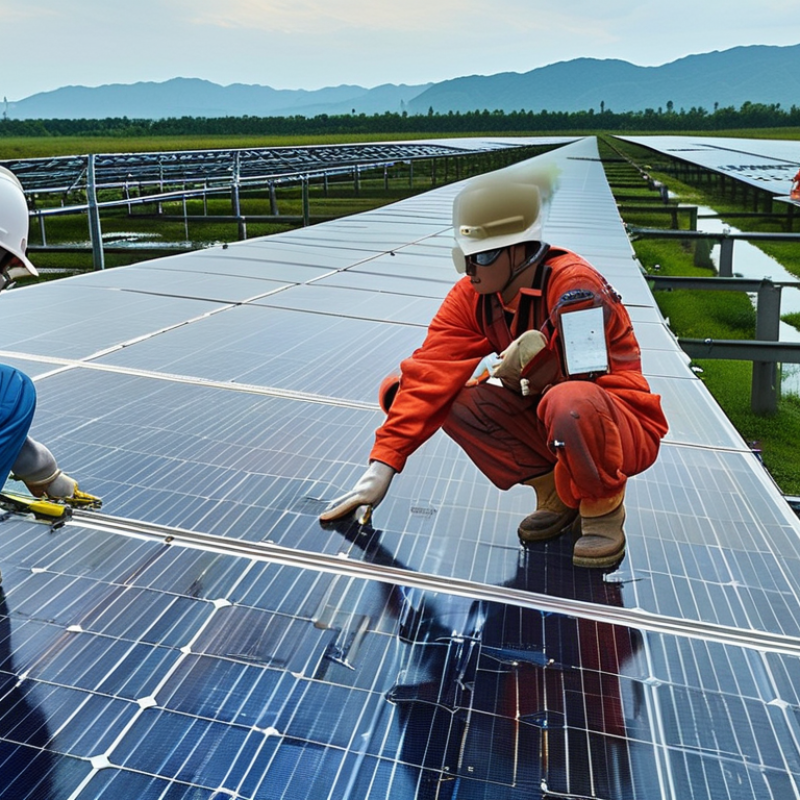
Regular inspection and maintenance of solar PV safety devices are crucial for ensuring their efficient operation. Solar panels, inverters, and wiring should be checked routinely. A professional should perform an annual inspection to evaluate overall system health. Look for signs of wear, such as fraying cables or corrosion. Small issues can escalate quickly if neglected.
In addition to annual checks, monthly visual inspections can help identify immediate problems. Make sure there are no obstructions blocking the sunlight. Dust and debris can reduce efficiency. Rain helps, but manual cleaning may be necessary sometimes. Always turn off the system before performing any cleaning or maintenance. Safety should be a priority at all times.
Documenting each inspection is essential. This creates a maintenance log that can help track performance over time. If you notice something unusual, do consult a qualified technician. They can provide an expert opinion or repair services. Do not rely solely on self-assessment; professional input is invaluable. Monitoring and regular upkeep enhance both safety and efficiency.
Understanding Safety Regulations and Standards for Solar PV Devices
Understanding safety regulations and standards for solar photovoltaic (PV) devices is critical for ensuring both efficiency and safety. Numerous countries have established guidelines detailing the design, installation, and maintenance of these systems. Staying informed about local regulations can be daunting. Regulations frequently change, and complying with the latest standards is vital. Engaging with industry professionals can offer insights into specific requirements.
Regular inspections are essential for compliance and safety. Inspections should include evaluating wiring, inverters, and mounting structures. Identifying wear and tear quickly can prevent accidents and ensure long-term functionality. Lack of vigilance can lead to serious issues. It is not just about following rules; it’s about fostering a culture of safety.
Involving qualified personnel in installation and routine checks is crucial. Their expertise can highlight potential risks that non-experts may overlook. Continuous education about safety standards can be beneficial. Many professionals find it challenging to keep updated on industry standards. Attending workshops or webinars can alleviate this struggle. An informed approach can significantly enhance safety and reliability in solar PV systems.
Implementing Effective Monitoring Systems for Solar PV Safety
Implementing effective monitoring systems for solar photovoltaic (PV) safety is crucial for optimizing performance and ensuring safety. Industry reports indicate that over 30% of solar system failures stem from inadequate monitoring. Regularly assessing your PV system can mitigate risks. Utilize advanced monitoring tools that provide real-time data on system performance. This proactive approach helps identify issues before they escalate.
Tip: Integrate data logging systems. These capture detailed historical performance metrics. Consistent data collection helps with pattern recognition. It allows for predictive maintenance, enhancing the reliability of solar installations.
Another component is setting up alerts for unusual performance. These alerts notify operators of potential failures. Research shows that timely responses to alerts can reduce downtime by up to 50%. Operators must act quickly to prevent minor issues from turning into major problems.
Tip: Conduct regular safety audits. These audits assess the physical condition of PV systems. They reveal unnoticed wear and tear. Investing time in these reviews can vastly improve long-term safety and functionality. Remember, even minor oversight can lead to significant safety breaches. The cost of neglecting monitoring systems can far exceed the investment in safety technologies.
China Top 10 Tips for Maintaining Solar PV Safety Devices - Implementing Effective Monitoring Systems for Solar PV Safety
| Tip Number |
Tip Title |
Description |
Frequency of Monitoring |
| 1 |
Regular Inspections |
Conduct visual inspections of the PV system to detect any obvious signs of damage or wear. |
Monthly |
| 2 |
Performance Monitoring |
Use monitoring software to track energy production and identify anomalies. |
Daily |
| 3 |
Cleaning the Panels |
Keep solar panels clean to ensure maximum efficiency; remove dust and debris. |
Quarterly |
| 4 |
Check Electrical Connections |
Ensure that all connections are tight and corrosion-free to prevent electrical failures. |
Biannually |
| 5 |
Safety Device Functionality Test |
Test circuit breakers, fuses, and safety devices to ensure they are functioning correctly. |
Annually |
| 6 |
Thermal Imaging |
Use thermal imaging to detect hot spots and potential failures in the system. |
Annually |
| 7 |
Check System Performance Reports |
Review performance reports regularly to ensure the solar power system is operating at expected levels. |
Monthly |
| 8 |
Monitoring Weather Conditions |
Keep track of weather patterns that may impact performance or cause stress on the system. |
Ongoing |
| 9 |
Documentation of Maintenance Tasks |
Maintain a log of all maintenance activities performed on the solar PV system. |
Ongoing |
| 10 |
Engage Professional Inspections |
Schedule periodic inspections by certified professionals to assess the overall system health. |
Annually |
Training and Educating Users on Solar PV Safety Practices
Training users on solar PV safety practices is essential for preventing accidents. Regular workshops provide hands-on experience with solar equipment. These sessions should cover installation, maintenance, and emergency responses. Everyone involved must recognize potential hazards. Understanding risks empowers users to act safely.
Visual aids can enhance learning. Diagrams of electrical systems can clarify complex information. Videos can show proper techniques for using and handling equipment. Engaging users through these methods builds confidence and competence. Feedback from participants is crucial. It highlights their understanding and areas needing improvement.
Safety guides should be easily accessible. Clear instructions can help in emergencies. Users should regularly review safety procedures, promoting a culture of safety awareness. Continuous education can adapt to new technologies and methods. Safety is not a one-time lesson; it requires ongoing attention.
Conclusion
The article "China Top 10 Tips for Maintaining Solar PV Safety Devices" provides essential guidelines on how to maintain solar PV safety devices effectively. It begins by identifying common safety devices used in solar photovoltaic systems, ensuring that users are aware of the critical components that protect their installations. The article emphasizes the importance of regular inspection and maintenance procedures to ensure these devices function properly and mitigate risks.
Furthermore, understanding safety regulations and standards is crucial for compliance and optimal performance of solar PV systems. The implementation of effective monitoring systems is also highlighted, allowing for real-time assessments of device functionality. Lastly, the article underscores the necessity of training and educating users on solar PV safety practices, ensuring that all stakeholders are knowledgeable about maintaining safety standards. Overall, these insights collectively answer the question of how to maintain solar PV safety devices for long-term reliability and safety.

 SDEV Charger