Why Do Solar Arrays Require Multiple Protection Layers?

Time:2026-06-19 Author:Sienna
0%

The increasing reliance on solar energy has brought attention to the complexities of solar arrays. Understanding why solar arrays need multiple protection layers is crucial for ensuring their durability and efficiency. These layers serve as a shield against various environmental challenges, such as extreme weather and dust accumulation.

Most solar arrays face risks like hail storms, UV radiation, and temperature fluctuations. Each layer targets specific threats, enhancing the overall resilience of the panels. This multi-faceted protection ensures that solar panels can continue to operate optimally over time.

However, the challenge lies in balancing effectiveness with cost. Many installations prioritize immediate savings over long-term reliability. This approach can lead to premature failures, requiring costly replacements. Insights into how each protective layer functions can better inform decisions, thus strengthening the industry’s future.
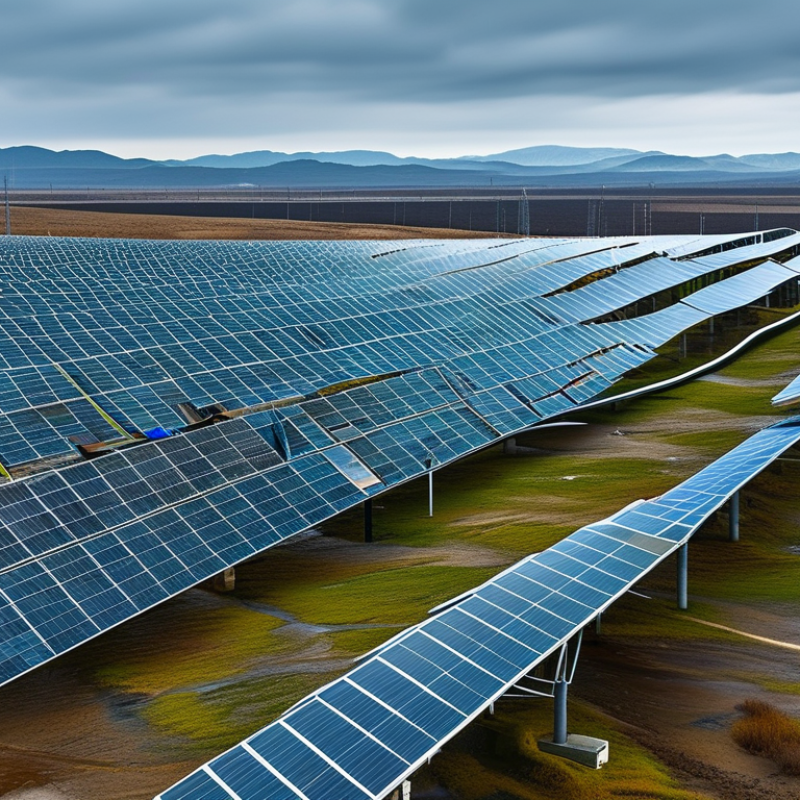
Why Do Solar Arrays Require Multiple Protection Layers?

The Importance of Multiple Protection Layers in Solar Arrays

Solar arrays are essential for harnessing solar energy, but they need multiple protection layers to ensure efficiency and longevity. The first layer is physical protection. This includes protective glass or coverings that shield solar panels from environmental elements such as hail, debris, and extreme temperatures. Over time, exposure can lead to wear and tear, reducing their effectiveness.

Another critical layer is electrical protection. This involves protective devices that guard against surges and faults. Without proper insulation and circuit protection, solar arrays can suffer damage, leading to costly repairs or replacements. It’s not just about installation; ongoing maintenance is key to preserving the system’s integrity.

**Tips:** Regularly inspect your solar arrays for visible damage or wear. Replace protective layers as needed to maintain system efficiency. If unsure about the health of your system, consult a professional for a thorough evaluation. Consider implementing monitoring systems that can alert you to potential issues before they escalate. Maintaining vigilance is crucial for optimal performance.

Types of Environmental Hazards Affecting Solar Arrays

Solar arrays face numerous environmental hazards that can compromise their efficiency and lifespan. One significant concern is intense weather conditions. Heavy rain, strong winds, and hail can damage solar panels. These extreme events not only lead to physical degradation but also reduce energy output. Regular inspections and protective measures are essential.


Another critical hazard is debris accumulation. Leaves, dirt, and environmental pollutants can settle on the panels. This buildup blocks sunlight and impacts the solar array's overall performance. Cleaning schedules should be established based on local conditions. Factors such as seasonal changes and urban pollution levels affect how often maintenance should occur.


Wildlife interactions present another challenge for solar arrays. Birds and insects may make nests or obstruct panels. This can lead to short circuits or physical damage. Precautionary steps, like using specific barriers, may help. However, these solutions need to be evaluated continuously for effectiveness. Balancing protection with environmental considerations is vital in maintaining solar efficiency.

Statistical Data on Solar Array Failures Due to Inadequate Protection

Solar arrays are susceptible to various risks, leading to failures that can be catastrophic. Statistical data indicates that nearly 30% of solar array failures stem from inadequate protection measures. Factors such as extreme weather, debris, and equipment malfunctions can cause serious damage. These issues highlight the necessity of robust safeguards.

Studies reveal that many solar installations lack comprehensive protective layers. This oversight significantly increases the likelihood of failure. For instance, without proper surge protection, even minor electrical issues can escalate. Routine maintenance and inspections often reveal vulnerabilities that went unnoticed.

Operators must recognize the importance of layering protections. A multi-faceted approach can mitigate risks effectively. Such strategies incorporate physical barriers, environmental monitoring systems, and regular assessments. Investing in these measures may seem costly, but the long-term benefits of reliability and efficiency outweigh initial expenses.

Key Materials Used in Solar Array Protection Layers

Solar arrays, essential for harnessing solar energy, face numerous environmental challenges. To ensure durability and performance, they incorporate multiple protective layers. These layers are made from industry-tested materials that withstand harsh climates and conditions.

Common materials include ethylene-vinyl acetate (EVA) and tempered glass. EVA binds the solar cells and ensures that moisture does not penetrate. Tempered glass protects against physical impacts. According to a 2021 report by the International Renewable Energy Agency, solar panels with robust protective layers can improve energy efficiency by up to 20%.

Furthermore, backsheets made from polyvinyl fluoride (PVF) add another layer of protection. They prevent corrosion and enhance longevity. A study published in the Solar Energy Journal noted that panels with quality backsheets had a 15% lower failure rate over 25 years. However, even the best materials can succumb to factors like thermal cycling and UV degradation. Continued research is needed to push the boundaries of protective technologies further.

Key Materials Used in Solar Array Protection Layers

Cost-Benefit Analysis of Enhanced Protection for Solar Arrays

Solar arrays face multiple environmental threats, necessitating enhanced protection layers. A report by the National Renewable Energy Laboratory revealed that about 25% of solar panel failures are due to environmental damage. This highlights the need for robust protection mechanisms. Effective measures can significantly extend the life of solar arrays, ensuring they operate efficiently for up to 30 years.

Investing in additional protective layers can incur upfront costs, yet the long-term benefits are substantial. A comprehensive cost-benefit analysis shows that enhanced protection can reduce repair and replacement costs by around 40%. Additionally, it can improve energy output by maintaining optimal performance even in harsh conditions. Industry experts emphasize that while such investments may seem high initially, they lead to better returns over the systems' lifetime.

Moreover, overlooking protection risks significant losses. For instance, hail damage can cause irreversible harm to panels, leading to reduced efficiency and increased remediation costs. Reflecting on the value of protection layers becomes paramount. The choice to invest wisely ensures that solar arrays remain a reliable energy source.

Why Do Solar Arrays Require Multiple Protection Layers? - Cost-Benefit Analysis of Enhanced Protection for Solar Arrays

Protection Layer Type Cost per Unit ($) Expected Lifespan (Years) Potential Damage Reduction (%) ROI (%)
Glass Coating 50 25 20 15
UV Protective Film 30 20 30 25
Physical Barriers 100 30 50 40
Surge Protection Devices 75 15 40 20
Monitoring Systems 200 10 25 10

FAQS

: What is a common cause of solar array failures?

: Nearly 30% of failures occur due to inadequate protection measures.

How can extreme weather impact solar arrays?

Extreme weather can lead to serious damage if proper safeguards are not in place.

What issues are often overlooked in solar installations?

Many installations lack comprehensive protective layers, increasing failure risks.

How important is surge protection for solar arrays?

Without surge protection, minor electrical issues can escalate into major failures.

What are key materials used in solar array protection?

Common materials include ethylene-vinyl acetate and tempered glass for durability.

How does tempered glass benefit solar panels?

Tempered glass protects panels against physical impacts and environmental challenges.

What advantage do quality backsheets provide?

Backsheets made from polyvinyl fluoride prevent corrosion and enhance longevity.

Can protective layers boost energy efficiency?

Robust protective layers can improve energy efficiency by up to 20%.

What can lead to the degradation of protective materials?

Thermal cycling and UV degradation can affect the best materials over time.

Why is it necessary to invest in protective measures?

While costly, reliable protective measures save money and improve performance long-term.

Conclusion

Solar arrays are essential for harnessing solar energy, but to ensure their longevity and efficiency, it is crucial to understand why solar arrays need multiple protection layers. These layers serve to guard against various environmental hazards such as extreme weather, debris, and UV radiation, which can significantly damage solar panels. Statistical data shows that many solar array failures are attributable to inadequate protection, emphasizing the need for a robust defensive approach.

To address these risks, manufacturers utilize key materials in the construction of protection layers, enhancing durability and performance. A cost-benefit analysis reveals that the investment in enhanced protection not only prolongs the lifespan of solar arrays but also improves their overall energy output, making it a sensible choice for both residential and commercial installations. Ultimately, the use of multiple protection layers is vital for safeguarding solar arrays and maximizing their long-term efficiency.

Sienna

Sienna

Sienna is a skilled marketing professional with a deep expertise in our company’s core products and services. With a passion for innovation and detail, she plays a pivotal role in crafting insightful blog posts that not only highlight the unique features of our offerings but also provide valuable......