Top 10 Ways to Reduce Maintenance Costs in PV Protection Systems?

Time:2026-07-13 Author:Madeline
0%

In the rapidly evolving solar industry, maintaining photovoltaic (PV) protection systems is critical yet costly. According to industry expert Dr. Jane Thompson, "Effective maintenance strategies are key to reducing long-term costs and enhancing system reliability." This statement highlights the importance of proactive approaches in managing PV systems.

How to reduce maintenance costs in PV protection systems involves a blend of technology, design, and regular assessments. Innovative solutions, such as remote monitoring tools, can drastically cut down on manual inspections. Additionally, selecting quality materials can minimize wear and tear, saving money in the long run. However, many installations still rely on outdated practices, leading to increased downtime and expenses.

Reflecting on common pitfalls, organizations often underestimate the need for training personnel. A well-trained team is essential for proper system maintenance. Neglecting this can result in costly mistakes. By adapting to modern technologies and training teams effectively, stakeholders can see significant savings. Balancing initial investments with long-term benefits is crucial for a sustainable approach.
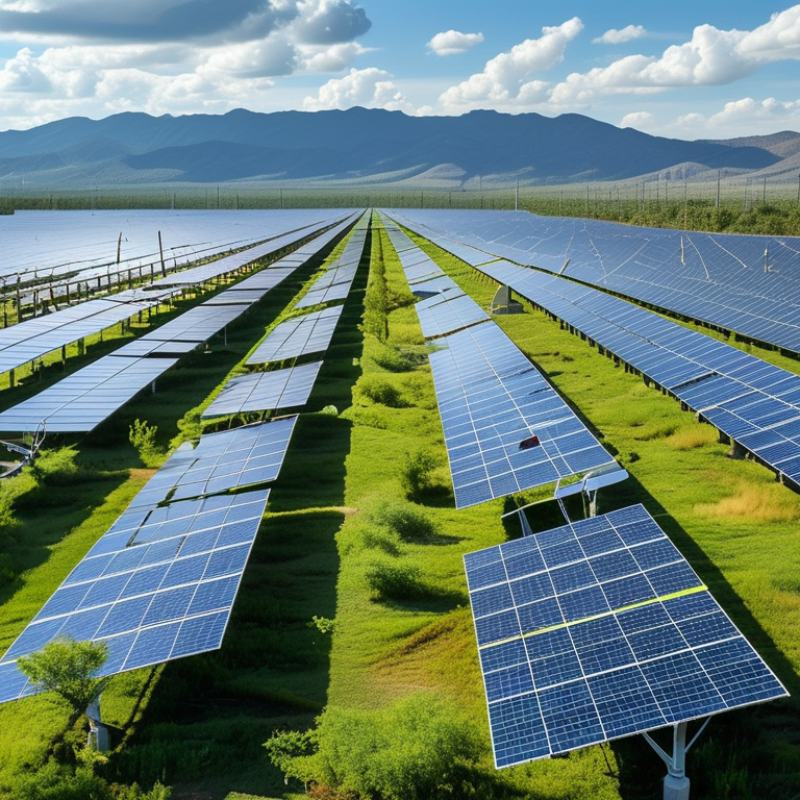
Top 10 Ways to Reduce Maintenance Costs in PV Protection Systems?

Strategies for Selecting High-Quality Components in PV Systems

Selecting high-quality components in photovoltaic (PV) systems is essential for reducing long-term maintenance costs. Research shows that up to 70% of PV system failures stem from poor component choices. Cost-effective components may seem appealing upfront but often lead to increased maintenance and downtime.

Durability is a key factor. Components like inverters should meet strict standards. A recent report highlighted that reliable inverters can improve overall system performance and reduce failure rates by almost 30%. It's prudent to prioritize components with proven warranties, as they indicate manufacturer confidence in product longevity.

Investing in quality materials pays off. For example, high-grade wiring may cost more initially, but can save repair time. The Solar Energy Industries Association (SEIA) emphasizes regular component evaluation. A proactive approach could help identify wear before it leads to significant outages. Focusing on these strategies can ultimately result in lower maintenance costs and more efficient PV systems.

Top 10 Ways to Reduce Maintenance Costs in PV Protection Systems

Implementing Predictive Maintenance Practices for PV Protection Systems

Predictive maintenance practices are essential for reducing maintenance costs in photovoltaic protection systems. These methods leverage data analytics to forecast potential equipment failures. By using real-time monitoring, you can detect issues early before they escalate, saving time and resources.

Implementing a data-driven approach is crucial. Regularly collect and analyze performance data from your PV systems. This insight will help you make informed decisions on when to perform maintenance. Visualize system performance trends to identify anomalies. Small issues can become significant problems if left unchecked.

Tips for effective predictive maintenance:

  • Utilize sensors to gather real-time data.
  • Train staff on data interpretation techniques.
  • Schedule regular system audits to validate findings.

Engaging with predictive maintenance requires continuous improvement. Even with the best system in place, unexpected failures may occur. Embrace a culture of reflection and constant adaptation to enhance system reliability. Aim to create an environment where learning from past experiences can help refine your maintenance strategies.

Conducting Regular Training for Maintenance Personnel to Enhance Skills

Conducting regular training for maintenance personnel is essential in reducing maintenance costs in PV protection systems. A well-trained team can identify issues early, preventing costly repairs. Research indicates that organizations with ongoing training programs experience a reduction in failure rates by up to 25%. This translates into significant cost savings over time.

Investing in training not only enhances skills but also boosts morale. Employees feel more competent and engaged. Studies show that trained personnel can conduct system checks and maintenance more efficiently, speeding up response times. This efficiency often leads to a decrease in downtime and overall operational costs.

Tips: Conduct on-the-job training sessions. Allow personnel to learn through hands-on experience. Regularly assess skill levels and update training accordingly. Focusing on specific trouble areas can yield immediate benefits. Remember, even small skills gaps can lead to bigger problems later. Keeping training sessions relevant to current technologies is crucial for long-term success.

Top 10 Ways to Reduce Maintenance Costs in PV Protection Systems

Strategy Description Cost Reduction (%) Frequency (per year)
Conduct Regular Training Enhancing skills of maintenance staff to ensure effective problem-solving and preventive maintenance. 15% 4
Implement Predictive Maintenance Using data analytics to predict failures and schedule maintenance before failures occur. 20% 6
Utilize Remote Monitoring Monitoring systems remotely to identify issues promptly, reducing on-site visits. 18% Continuously
Standardize Components Using common components across systems to simplify maintenance and reduce costs. 10% Ongoing
Schedule Regular Inspections Regular system evaluations help in early detection of issues. 12% 2
Optimize Cleaning Routines Establish efficient cleaning schedules to enhance performance and longevity of PV panels. 8% Monthly
Invest in Quality Equipment Choosing reliable equipment reduces the need for frequent repairs. 25% Once
Document Maintenance Activities Keeping detailed records to identify patterns and improve future maintenance strategies. 7% Continuous
Engage in Supplier Partnerships Collaborating with suppliers for better support and potential discounts on parts. 5% Ongoing

Utilizing Automated Monitoring Technologies to Reduce Manual Oversight

Automated monitoring technologies play a crucial role in reducing maintenance costs for photovoltaic (PV) protection systems. With the increasing complexity of solar power installations, traditional manual oversight can be time-consuming and prone to errors. Automated systems continuously track performance metrics and identify faults in real time. This minimizes downtime and allows for prompt repairs, decreasing long-term operational costs.


Utilizing sensors and monitoring software can offer immediate alerts for any anomalies. For example, temperature irregularities or sudden drops in energy production can be detected instantly. This proactive approach facilitates quick action, often before issues escalate into larger problems. While automated systems enhance efficiency, they also highlight the need for regular updates and checks. Relying solely on technology can lead to complacency, making it essential to balance automation with human oversight.


It's important to remember that no system is infallible. Automated monitoring requires proper setup and configuration to function effectively. Transparency in data interpretation is vital. Misinterpretations can lead to unnecessary repairs, wasting resources. Regular training and updates for personnel are necessary to ensure they can effectively utilize the system. Embracing technology while staying vigilant is key to maximizing the benefits of automated monitoring in PV protection systems.

Establishing a Comprehensive Maintenance Schedule for Optimal Efficiency

A comprehensive maintenance schedule is vital for the efficiency of photovoltaic (PV) protection systems. Regular inspections allow for early detection of potential issues. Scheduled maintenance minimizes unexpected failures and helps in budgeting expenses effectively. Consider seasonal checks, as weather impacts system performance. These inspections should include electrical connections, module conditions, and mechanical components.

Training staff is essential for executing a maintenance schedule. They should be knowledgeable about system operation and common failures. Ensure that they can identify signs of wear and tear. Safety protocols must also be a priority during these checks. Regularly updating training materials can help maintain high standards. Reflect on past maintenance experiences to improve future practices.

Spare parts inventory should be assessed regularly. This helps avoid delays during repairs. Consider the lifespan of critical components. Some parts may require replacement more often than anticipated. A well-maintained schedule includes feedback mechanisms. This allows teams to adapt and address lingering issues effectively. Each maintenance cycle should prompt discussions on necessary adjustments. The goal is to cultivate reliability and efficiency.

FAQS

: Why is selecting high-quality components important in photovoltaic systems?

: High-quality components reduce long-term maintenance costs and minimize the risk of system failures.

How do poor component choices affect PV systems?

Up to 70% of PV system failures result from poor component selections, leading to increased downtime and costs.

What should I consider when choosing inverters for my system?

Look for inverters that meet strict durability standards and have proven warranties to ensure reliability.

How can investing in quality materials save money?

Higher-grade wiring and components may cost more upfront but can significantly lower repair and maintenance costs over time.

How does regular training impact maintenance costs?

Ongoing training for maintenance personnel can reduce failure rates by up to 25%, saving significant costs in repairs.

What are effective training methods for maintenance staff?

On-the-job training sessions with hands-on experience can enhance skills and improve operational efficiency.

Why are automated monitoring technologies beneficial?

These systems detect faults in real time, minimize downtime, and help reduce long-term operational costs in PV systems.

What challenges do automated monitoring systems present?

They require proper setup to function well and can lead to complacency if relied upon solely without human oversight.

How can I ensure effective use of automated monitoring technologies?

Regular training for personnel and transparent data interpretation are essential to avoid misinterpretations and unnecessary repairs.

What’s important for maintaining a balance in monitoring systems?

Combining technology with human vigilance is crucial to maximize efficiency and ensure proper system functioning.

Conclusion

In the quest to understand how to reduce maintenance costs in PV protection systems, several key strategies play a crucial role. Firstly, selecting high-quality components ensures that the systems operate efficiently and require fewer repairs over time. Additionally, implementing predictive maintenance practices allows operators to foresee potential failures before they occur, thereby minimizing downtime and associated costs. Regular training for maintenance personnel is also vital, as it enhances their skills and knowledge, leading to more effective maintenance activities.

Moreover, utilizing automated monitoring technologies reduces the need for constant manual oversight, streamlining operations and cutting down labor costs. Lastly, establishing a comprehensive maintenance schedule optimizes efficiency by ensuring that all components are regularly checked and maintained, thus preventing expensive future issues. By adopting these strategies, organizations can effectively lower their maintenance costs in PV protection systems.

Madeline

Madeline

Madeline is a dedicated marketing professional with a wealth of expertise in our company's core offerings. With a keen understanding of the industry, she brings a unique perspective to her role, consistently delivering high-quality content that highlights the superior aspects of our products. As......