The integration of rapid shutdown devices in solar energy systems is critical for enhancing safety measures. As solar installations proliferate, safety concerns also rise. According to a report by the National Renewable Energy Laboratory, nearly 30% of solar-related incidents involve electrical hazards. This statistic underscores the urgent need for improved safety protocols.
Experts emphasize the importance of understanding, "How does a rapid shutdown device improve solar safety?" Dr. Emily Carter, a leading engineer in solar technology, states that "These devices significantly reduce risks during emergencies." In emergencies like fires, rapid shutdown devices quickly de-energize solar panels, mitigating risks for first responders.
Despite advancements, many installations lack these vital systems due to cost or awareness. This oversight can lead to dangerous situations. Transitioning toward mandatory adoption of rapid shutdown technology is essential for a safer solar future. More education in the industry about these devices is needed to ensure widespread implementation.
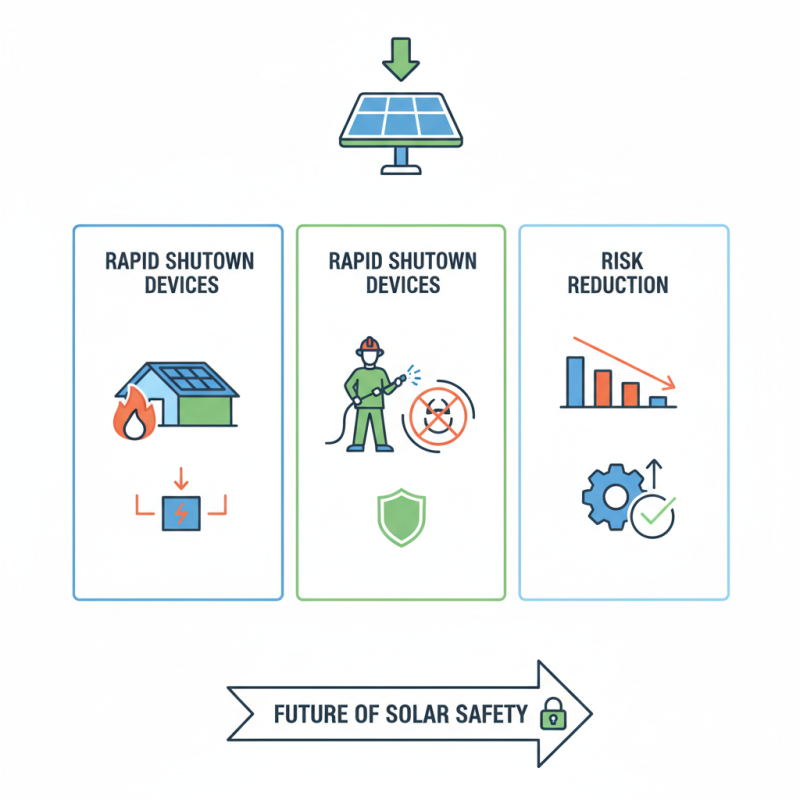
Rapid shutdown devices play a crucial role in solar energy systems. They are essential for enhancing safety measures. When a solar panel system experiences an emergency, these devices help quickly reduce electricity flow. This action minimizes the risk of electric shock to first responders. It also protects equipment and the surrounding area from potential fires.
Installing rapid shutdown devices is not always straightforward. There may be concerns about compatibility with existing systems. Some installations might require retrofitting, which can be complex and costly. Homeowners and installers need to carefully review their choices. The technology has improved over time, but not every device works seamlessly together. This inconsistency can lead to confusion if not addressed.
Moreover, awareness about rapid shutdown devices is still growing. Many people may not recognize their importance until an incident occurs. Educational programs can help enhance understanding of these safety features. Engaging the community can spark discussions. It may inspire more individuals to consider solar energy for their homes. Overall, while challenges exist, the emphasis on safety must remain a priority.
The safety of solar installations is increasingly governed by robust industry standards. Rapid shutdown devices are critical in enhancing these safety measures. According to the National Fire Protection Association (NFPA) and Underwriters Laboratories (UL), they are essential for protecting emergency responders and the public. NFPA 70 and UL 1741 specify protocols for rapid shutdown in case of emergencies.
Data from the Solar Energy Industries Association (SEIA) indicates that installations with rapid shutdown devices significantly reduce risks. These systems allow for quick deactivation of solar panels. This can happen within 10 seconds, minimizing electrical hazards. Yet, not all installations comply with these standards, leaving vulnerabilities.
In some cases, solar systems lacking rapid shutdown can cause severe injuries or even fatalities. The International Fire Code (IFC) emphasizes the need for rapid disconnect capabilities in all new solar projects. As solar energy grows, adherence to these standards is crucial. It's clear that while progress is being made, there is still much room for improvement in industry-wide compliance and safety practices.
Rapid shutdown devices play a critical role in enhancing safety for first responders during emergencies involving solar panels. When a fire or another emergency occurs, traditional solar systems can pose significant risks. High-voltage systems make it dangerous for firefighters and rescue teams. The risk of electrocution increases dramatically when panels remain active. Rapid shutdown devices help by immediately cutting off power to the panels.
These devices operate automatically, reducing electrical hazards during emergencies. Once activated, they ensure that the solar system is safe for first responders. This swift action minimizes the risk of electrical shock. For instance, a firefighter can focus on extinguishing a fire rather than worrying about electrocution from active solar panels. However, it is essential to refine how quickly these devices can activate during real-world scenarios.
While rapid shutdown technologies improve safety, they are not foolproof. Installation errors and lack of maintenance can lead to failures. Emergency personnel must be trained thoroughly to understand how these devices work. This training is essential for ensuring that devices perform as expected when critical moments arise. Addressing these concerns can elevate safety measures significantly in solar energy environments.
The rise of solar energy brings excitement, yet it also poses risks. A recent report indicates that over 1,000 solar panel fires occurred in the U.S. between 2015 and 2020. These incidents raise concerns about safety in installations and maintenance. With a mission to prevent such hazards, the implementation of rapid shutdown devices is essential.
Rapid shutdown devices allow for quick disconnection of solar arrays from the grid. This action reduces the risk of electrical hazards, especially during emergencies. The National Fire Protection Association (NFPA) emphasizes that these devices can decrease the chances of firefighters facing live wires during a rescue operation. This feature can save lives and protect property.
Despite these advancements, challenges remain in awareness and compliance. In some regions, only 50% of installations utilize these safety devices. This gap suggests a need for better education among installers and homeowners. As the industry grows, addressing these shortcomings will be crucial for ensuring safety.
| Safety Measure | Description | Statistical Impact (%) |
|---|---|---|
| Rapid Shutdown Device | Automatically disables the solar system in an emergency to reduce the risk of electrical shock. | 75% reduction in electrical shock incidents. |
| Fire Safety Protocols | Guidelines and systems to mitigate fire hazards associated with solar panels. | 65% decrease in fire-related incidents. |
| Regular Maintenance | Routine checks to ensure systems are functioning correctly and safely. | 50% longer lifespan of solar equipment. |
| Installer Training | Comprehensive training for installers on safety and system operation. | 80% improvement in safe installation practices. |
| Proper Equipment Rating | Utilization of equipment rated for specific solar application environments. | 40% reduction in equipment failure. |
Rapid shutdown technologies play a crucial role in enhancing solar safety measures. These devices ensure that solar systems can be quickly turned off in hazardous situations. When an emergency occurs, these systems rapidly reduce hazardous voltage levels. This minimizes risks for first responders and installers.
Several types of rapid shutdown devices are available today. The most common include module-level shutdowns and string-level devices. Module-level shutdowns enhance safety by isolating panels individually. This allows for safer maintenance practices. However, industry adoption rates vary widely. While some regions are quick to implement these technologies, others lag behind.
Challenges remain in educating stakeholders about the benefits of rapid shutdown. Many installers may not be fully aware of the advantages. Moreover, varying regulations across regions adds confusion. This can lead to inconsistent implementation. As safety continues to be a priority, the push for better awareness and adoption of these technologies must strengthen.
: Rapid shutdown devices disconnect solar arrays quickly from the grid, reducing electrical hazards during emergencies.
They lower hazardous voltage levels quickly, minimizing risks for first responders and installers during emergency situations.
The most common types are module-level shutdowns and string-level devices, each offering different safety enhancements.
No, only about 50% of solar installations utilize these safety devices, indicating a need for greater awareness.
Many installers lack awareness of these devices, and regulations vary, leading to inconsistent implementation across regions.
Educating installers and homeowners can enhance safety and encourage wider adoption, reducing risks associated with solar installations.
Yes, by reducing hazards, they protect both property and lives during firefighting efforts and emergencies.
Awareness and compliance issues persist, highlighting ongoing challenges in the solar industry regarding safety measures.
Rapid shutdown devices play a crucial role in enhancing solar safety measures by allowing for the immediate deactivation of solar energy systems in emergency situations. These devices are essential in safeguarding first responders, as they minimize the risk of electrical hazards when approaching solar installations during fires or other emergencies. Given the increasing adoption of solar energy systems, adherence to safety standards governing their installation and function is vital.
Furthermore, industry statistics underscore the potential hazards posed by solar panels, highlighting the need for improved safety protocols. By comparing different rapid shutdown technologies, we can assess their efficacy and adoption rates within the industry, illustrating how does a rapid shutdown device improve solar safety. This advancement not only protects individuals working on or near these installations but also contributes to the broader trust in solar energy as a safe renewable resource.
SDEV Charger