As the global demand for renewable energy rises, solar installations are becoming increasingly popular. However, electrical faults pose significant risks that can undermine their efficiency and safety. According to a report by the National Renewable Energy Laboratory, around 30% of solar system failures are attributed to electrical issues. Knowing how to prevent electrical faults in solar installations is crucial for extending their lifespan and enhancing overall performance.
Effective preventive measures include regular inspections, adherence to electrical codes, and proper installation practices. These steps can significantly reduce the likelihood of costly malfunctions and enhance system reliability. Yet, many installations still suffer from improper wiring or inadequate grounding, leading to dangerous failures. Additionally, the lack of industry standards can make identifying best practices challenging for installers.
The complexity of solar technologies requires ongoing education and training for professionals. Industry reports recommend continuous development of skills to keep pace with evolving technologies. This knowledge not only helps prevent faults but also fosters a culture of safety and reliability in renewable energy systems. Ultimately, understanding how to prevent electrical faults in solar installations is essential for achieving sustainable energy goals.
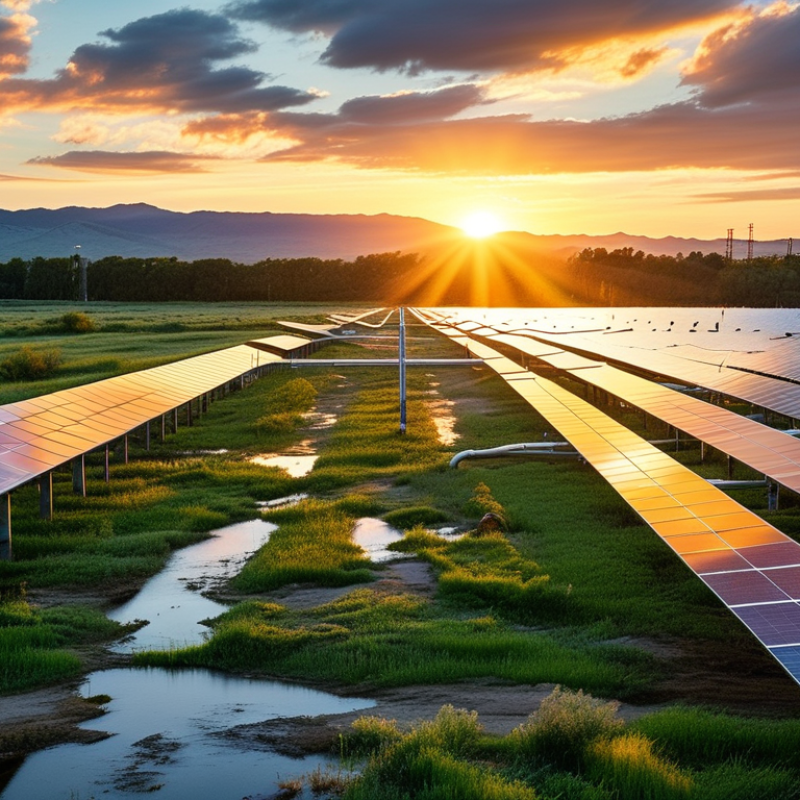
Common electrical faults in solar installations can lead to significant downtime and safety hazards. One frequent issue is poor connections. Loose or corroded terminals can cause arcing, leading to fire risks. Regularly inspecting connections is crucial. Loose wiring is a common culprit and often overlooked.
Another problem is inverter failure. This component converts solar energy into usable electricity. If it fails, the entire system stops working. Regular maintenance checks can identify issues early. Monitoring performance consistently can also provide insights into potential faults before they escalate.
To prevent these faults, consider these tips. Use high-quality components that meet safety standards. Keep pathways clear to avoid physical damage. Schedule routine inspections with a professional. Ensuring proper installation from the start is vital. Implementing these practices enhances reliability and efficiency in solar systems.
| Fault Type | Description | Prevention Tips |
|---|---|---|
| Ground Faults | An unexpected connection between a live conductor and the ground. | Regular insulation testing; use ground fault interrupters. |
| Arc Faults | Electrical discharges caused by a breakdown in the insulation. | Install arc fault circuit interrupters; maintain connections. |
| Overvoltage | Excessive voltage above the rated level for the system. | Use surge protection devices; regulate input voltage. |
| Short Circuits | Direct connection between two conductors causing excess current. | Inspect wiring regularly; use circuit breakers. |
| Connection Issues | Loose or corroded connections leading to power loss. | Secure all terminals; use waterproof connectors. |
: Regular maintenance prevents performance issues and electrical faults. It identifies problems before they worsen.
Trained professionals are best for inspections. They notice issues that untrained individuals might miss.
Visual inspections can uncover cracks in panels and loose wiring. They help maintain the system’s integrity.
Dirt and debris block sunlight, reducing energy production. Clean panels ensure maximum energy output.
Keeping records tracks performance over time. It helps identify trends and recurring problems.
Monitoring systems detect electrical anomalies early. They help prevent costly faults and enhance reliability.
Environmental factors, like dust, can affect performance readings. Users might neglect routine checks.
No, some lack important features or integration capabilities. Choosing the right system needs careful thought.
Regular maintenance and software updates are crucial. Staying informed about best practices helps optimize performance.
Neglecting maintenance may lead to costly repairs. Problems can escalate quickly without regular checks.
Preventing electrical faults in solar installations is crucial for ensuring the safety and efficiency of these systems. Understanding common electrical faults can help identify potential risks early on. Regular maintenance and inspections play a vital role in keeping solar systems operational and safe, as they allow for the timely detection of issues that could lead to failure.
Additionally, implementing proper wiring techniques significantly minimizes the risk of faults, while using high-quality components enhances the overall safety of the installation. Monitoring systems are essential for the early detection of electrical issues in solar arrays, providing peace of mind and protecting the investment in solar energy. By focusing on these strategies, one can effectively answer the question of how to prevent electrical faults in solar installations.

 SDEV Charger