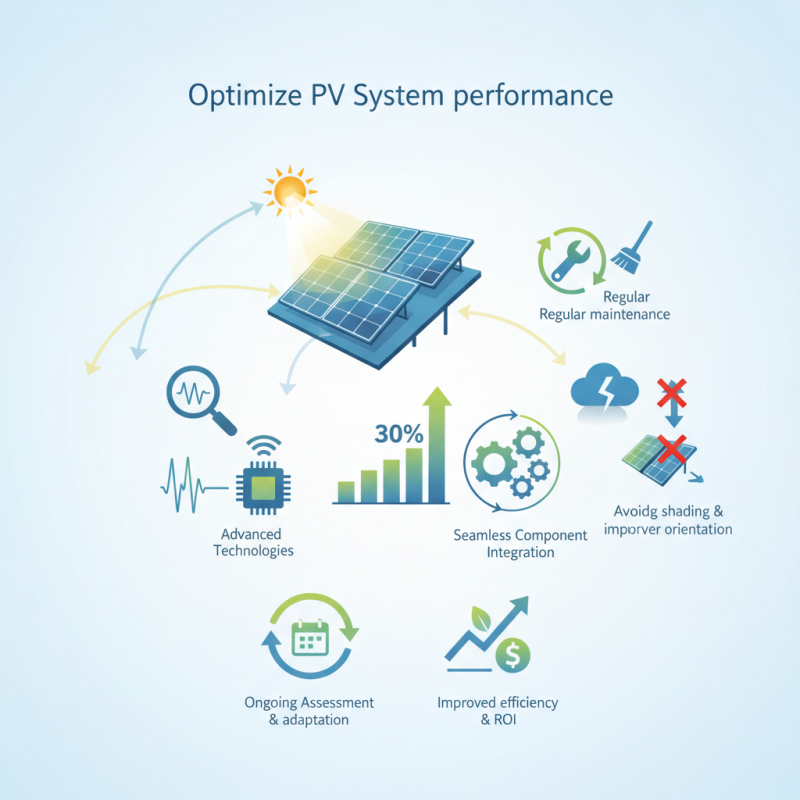
In the rapidly evolving renewable energy sector, optimizing photovoltaic (PV) system performance is crucial. According to a report by the International Renewable Energy Agency (IRENA), optimized PV systems can boost energy output by up to 30%. This substantial increase underlines the importance of understanding how to optimize PV system performance effectively.
Expert Paul Hodge, an industry leader in renewable energy, emphasizes, “Every component of a solar system must work together seamlessly to maximize output.” His insights reflect the need for a holistic approach that includes regular maintenance, monitoring, and the integration of advanced technologies. Despite advancements, many installations still face underperformance due to overlooked factors like shading and improper orientation.
It’s essential to recognize that optimizing PV systems is not a one-time effort; it requires ongoing assessment and adaptation. Each system presents unique challenges, and recognizing these can lead to improved efficiency and longer lifespans. Addressing these details allows for better investment returns, benefiting both consumers and the environment.
Understanding Photovoltaic (PV) systems is essential for enhancing energy efficiency. A PV system converts sunlight into electricity, providing clean energy for homes and businesses. According to the National Renewable Energy Laboratory, PV systems can reduce energy costs by up to 50%. However, proper understanding is key to achieving these savings.
Design and installation play critical roles in system performance. Factors such as panel orientation, shading, and tilt significantly affect energy output. A report from the International Renewable Energy Agency highlights how a 1-degree increase in tilt can improve performance by 3%. Furthermore, regular maintenance is often underestimated. Dust and debris can lower efficiency by 15% if panels are not cleaned routinely.
Moreover, monitoring systems can help identify issues before they become major problems. Real-time data can reveal patterns in performance, guiding necessary adjustments. Many users overlook how temperature affects efficiency. Studies show that PV output declines by about 0.4% for every degree Celsius above 25°C. Understanding these basic elements fosters better decision-making, ultimately leading to optimized PV system performance.
Regular maintenance is crucial for optimizing photovoltaic (PV) system performance. According to the National Renewable Energy Laboratory (NREL), systems that undergo regular inspections can improve energy output by up to 20%. Consistent monitoring allows for the early detection of issues, such as module soiling, shading, and component wear.
A clean surface is vital; dirt can decrease efficiency by as much as 25%. Clean solar panels receive maximum sunlight, leading to better energy production.
Moreover, the Electrical Safety Foundation International (ESFI) emphasizes the importance of regular checks on electrical connections. Over time, connections can corrode or loosen, increasing fire risk and system failure. In terms of reliability, a study by the Solar Energy Industries Association (SEIA) points out that well-maintained systems generally have a longer lifespan, extending their performance well past the initial warranty periods.
Neglecting maintenance can lead to serious issues. A study showed that nearly 30% of PV systems underperform due to lack of routine care. Homeowners often overlook simple tasks, like inspecting for debris or assessing inverter functionality. These oversights may result in reduced efficiency, costing thousands in lost energy. Regular maintenance practices ensure optimal operation and longevity of PV systems, making them a priority for effective energy management.
Maximizing solar panel efficiency involves understanding several key factors. The angle of solar panels significantly impacts energy production. Studies suggest that panels need to be tilted at optimal angles based on geographic location. For example, a tilt of 30 degrees may enhance energy capture in many regions. Yet, many installations overlook this detail, leading to suboptimal performance.
Regular maintenance is another crucial element. Dust, dirt, and debris reduce solar panel output. A report from the National Renewable Energy Laboratory states that unclean panels can experience a drop in efficiency by up to 25%. Thus, routine cleaning and inspections can have a noticeable effect on a system’s performance.
Using advanced monitoring systems can also improve efficiency. These systems help track performance metrics in real time. Data analytics can identify underperformance, allowing for timely maintenance. Adopting these technologies leads to better energy yield and system longevity. It's essential to remain aware of the evolving technologies within the solar industry, as new advancements could further optimize performance.
In today's solar energy landscape, monitoring and analytics play a pivotal role in optimizing photovoltaic (PV) system performance. Advanced monitoring tools can capture data from various system components. This real-time data allows operators to identify inefficiencies swiftly. For example, tracking energy production against weather conditions can reveal discrepancies. With accurate data, adjustments can be made to maintain optimal performance.
Analytics take this a step further. By employing algorithms and machine learning, patterns can emerge from historical data. These insights can inform maintenance schedules, detecting issues before they escalate. A system that runs without issues for long periods may still experience sudden drops in output. Regular analysis ensures continuous performance monitoring, even for newly installed systems.
Despite the benefits, reliance on technology does come with challenges. Data overload can lead to confusion. Not all anomalies indicate severe issues; sometimes, false alarms occur. There’s a balance in interpreting data effectively. Users must cultivate a deep understanding of their systems to maximize the potential of these technologies. The journey toward optimization is ongoing and requires constant engagement with technology and data.
| Tip Number | Optimization Tip | Recommended Tools | Expected Outcome |
|---|---|---|---|
| 1 | Regular Maintenance Checks | Infrared Cameras, Drones | Increased system longevity and efficiency |
| 2 | Real-time Performance Monitoring | Monitoring Software, Mobile Apps | Immediate identification of issues |
| 3 | Data Analytics for Usage Patterns | Data Analytics Platforms | Optimized energy consumption |
| 4 | Environmental Data Analysis | Weather Monitoring Systems | Informed adjustments for performance |
| 5 | Performance Benchmarking | Benchmarking Tools | Comparison against industry standards |
| 6 | Inverter Optimization | Smart Inverters | Enhanced energy conversion rates |
| 7 | Module Cleaning and Maintenance | Automated Cleaning Systems | Maximized solar absorbance |
| 8 | Battery Storage Optimization | Smart Battery Management Systems | Increased backup reliability |
| 9 | Load Management Strategies | Smart Load Controllers | Balanced energy usage |
| 10 | Feedback and Continuous Improvement | Surveys, Performance Reports | Sustained high performance |
When planning a photovoltaic (PV) system, placement is vital. The ideal installation location can significantly enhance system performance.
Rooftops with unobstructed southern exposure tend to receive more sunlight. Urban areas, however, can present challenges. Tall buildings may create unwanted shadows.
This can reduce energy production during peak hours.
Open fields or parking lots are excellent alternatives.
They provide ample sunlight and room for larger installations. Orientation is crucial too. Tilted panels can capture more sunlight depending on the season.
Be mindful of site maintenance as well. Regular cleaning of the panels is essential for long-term efficiency. Dust and debris can accumulate, especially in dry environments.
Consider local climate factors too. Areas with frequent cloud cover may not perform well year-round. Additionally, think about future developments. A nearby building could block sunlight in the future.
Thorough site assessment and ongoing evaluation are key. Proper planning will yield the best results. A thoughtful approach to placement can enhance performance and maximize energy output.
: A PV system converts sunlight into electricity, providing clean energy for homes and businesses.
Proper understanding and installation of a PV system can reduce energy costs by up to 50%.
Panel orientation, shading, and tilt significantly influence energy output.
A 1-degree increase in tilt can improve performance by about 3%.
Regular maintenance can improve energy output by up to 20% and prolong system lifespan.
Dust and debris can lower efficiency by up to 25% if panels are not cleaned routinely.
PV output declines by about 0.4% for every degree Celsius above 25°C.
Regular inspections are essential for detecting issues like soiling or component wear.
Neglect can lead to underperformance and even system failure, costing significant energy.
Real-time data helps identify performance issues early, allowing for timely adjustments.
To optimize PV system performance effectively, understanding the fundamentals of photovoltaic systems is crucial. Regular maintenance, including cleaning and inspections, ensures that the system operates at its best for a prolonged period. Additionally, maximizing solar panel efficiency involves considering various factors such as angle, shading, and temperature.
Utilizing advanced technology for monitoring and analytics can provide real-time data to identify areas for improvement, while carefully selecting strategic installation locations can enhance energy capture. By focusing on these aspects, one can significantly improve how to optimize PV system performance, leading to increased energy output and sustainability.

SDEV Charger