How to comply with solar safety regulations in 2026 begins with a simple reality: photovoltaic systems can remain energized in daylight, even when an inverter is switched off. Rules differ by country, state, and project type, so teams should verify current electrical, fire, building, and workplace requirements with the relevant authorities. The IRENA and International Labour Organization’s Renewable Energy and Jobs: Annual Review 2024 estimated that solar photovoltaic employment reached 7.1 million jobs worldwide in 2023. A growing workforce makes clear procedures and practical training more important.
NREL’s Best Practices for Operation and Maintenance of Photovoltaic and Energy Storage Systems offers detailed guidance on safe, documented system work. PV safety specialist John Wiles has emphasized verifying hazards before contact; the field rule is often summarized as: “Treat PV conductors as energized until tested.” Check the applicable code edition, use qualified personnel, document inspections, and keep labels legible beside disconnects. Small details matter.
A missing label can slow an emergency response. A rushed inspection can miss a damaged connector. Even strong procedures need review. This guide will help readers assess training, electrical work, fall protection, fire readiness, and maintenance records—while recognizing that one checklist cannot replace local code review or site-specific risk assessment.
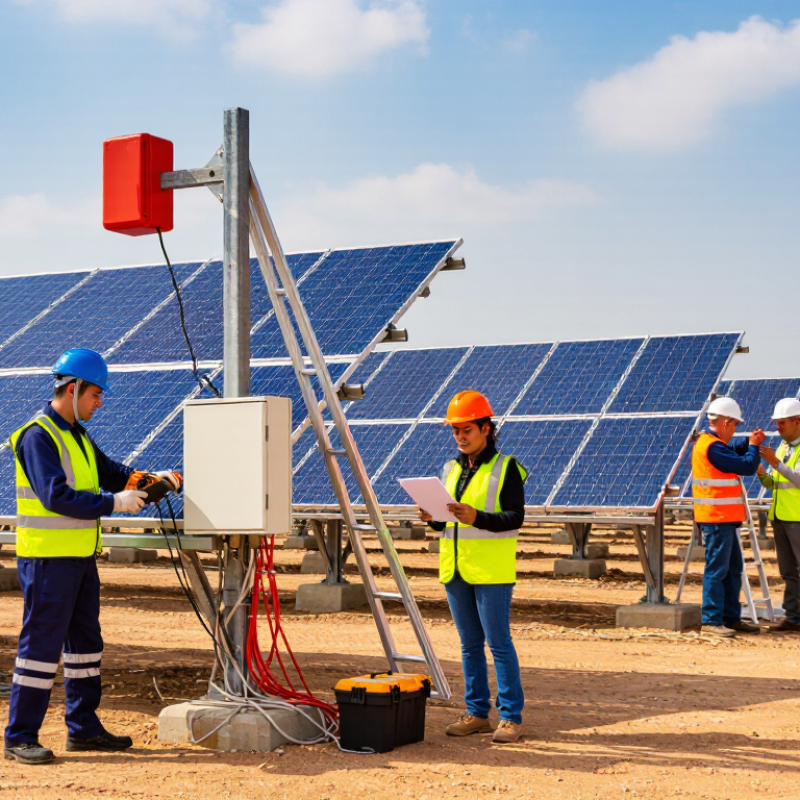
Identify the rules before selecting equipment or scheduling crews. Requirements depend on your country, state, local authority, and project type. A rooftop installation, ground-mounted array, and battery-equipped system may trigger different building, fire, electrical, and workplace-safety provisions. In the United States, check applicable OSHA requirements, the locally adopted National Electrical Code edition, permitting conditions, and utility interconnection rules. Confirm the details with the authority having jurisdiction and a qualified safety professional. Rules vary by place.
Map hazards to each work phase: roof access and fall protection, lifting panels, DC wiring, battery placement, and commissioning. The U.S. Bureau of Labor Statistics recorded 1,075 fatal work injuries in the construction industry in 2023; that figure is not solar-specific, but it shows why site controls matter. Before energizing, verify disconnect locations, labels, emergency access, and safe isolation procedures against the approved plans. A tidy permit folder can still miss a roof-edge hazard or an unclear shutdown sequence. Walk the actual site with the crew, then revise the plan when conditions differ. Reference: U.S. Bureau of Labor Statistics, Census of Fatal Occupational Injuries, 2023.
A compliant solar project starts with a document set that matches the site, not a generic template. Confirm permit requirements with the local authority having jurisdiction before equipment arrives. Submit stamped drawings, electrical single-lines, structural calculations, equipment schedules, and site plans showing access routes and fire-service clearances. Keep revisions traceable. Details matter.
The IEA PVPS Trends 2024 report estimated that global photovoltaic capacity exceeded 1.6 terawatts by the end of 2023. That scale makes consistent planning important, but each roof, battery area, and access path still needs site-specific review. Include a hazard assessment covering falls, electrical exposure, lifting, and emergency shutdown. Add task-specific safety plans, training records, inspection forms, and emergency contacts. OSHA requirements and adopted electrical and fire codes may vary by location, so verify current rules rather than relying on an old checklist.
Keep it current. During construction, record field changes, equipment substitutions, inspection findings, and corrective actions in one controlled file. Before handover, provide as-built drawings, test results, operating procedures, and clear emergency-system labels. A common weak spot is paperwork updated after the work, when details are harder to verify. Set a review point after each major design change, and assign one person to track open approvals and missing records.
A safe solar project begins with qualified professionals, not a shopping list. Choose installers with relevant training, insurance, and experience working with local electrical and building requirements. Ask who will design the system, supervise the crew, and arrange required inspections. A real site visit matters. The team should examine roof condition, wiring routes, access points, and the electrical panel before proposing equipment. If the roof needs repair, pause and address it first.
Compliant equipment should match the system design and the rules accepted by local authorities. Ask for documentation showing that modules, inverters, disconnects, and mounting hardware meet applicable safety standards. Labels and model details should match the paperwork. Small mismatches can delay approval. A qualified electrician should confirm conductor sizing, grounding, overcurrent protection, and shutdown arrangements. These details are easy to overlook when a proposal focuses only on output or price.
Keep installation records, inspection results, equipment manuals, and warranty documents together. They help future technicians understand what was installed and how it should be serviced. During handover, ask the installer to demonstrate emergency shutdown procedures and explain warning indicators. Plans sometimes change once crews uncover old wiring or weak roof sections; that is frustrating, but a careful revision is better than forcing the original design. I would still ask for changes in writing, even when the crew seems confident.
Rapid-shutdown voltage limits in the 2017 National Electrical Code (NEC), Section 690.12
Under the cited NEC requirements, rapid shutdown must reduce controlled conductors to the shown voltage limits within 30 seconds. NEC editions and local adoption can vary. Have qualified solar professionals verify applicable rules and use equipment listed for the installation.
During solar installation, treat the roof and electrical system as active hazards, not routine work. Check the site plan, weather, roof condition, and access route before tools go up. Use suitable fall protection and secure ladders on firm ground. Keep walkways clear; a loose cable can become a trip hazard in seconds. Brief the crew on who may isolate equipment and how to communicate an emergency. Stop work when wind, rain, or heat makes safe handling doubtful. Conditions change.
Electrical controls matter at every connection. Only qualified workers should perform tasks within their training and authorization. Isolate circuits, verify absence of voltage with properly rated equipment, and account for stored energy before opening enclosures. Cover or protect exposed conductors, use insulated tools where appropriate, and keep connectors dry and clean. Do not rely on a switch position alone. Record checks and correct damaged insulation, loose fittings, or unclear labels before energizing the system.
After commissioning, keep access to disconnects unobstructed and maintain clear warning labels. Train site staff to recognize unusual heat, damaged cables, water entry, or unexpected system alerts, and to report them rather than investigate live equipment. Schedule inspections based on site conditions and applicable requirements, especially after severe weather or building work. Log findings, repairs, and recurring faults. A checklist helps, but it can create false confidence if nobody questions what it misses. Safety procedures need review as the system and workplace change.
| Work stage | Safety dimension | Control to apply | Regulatory reference or basis | Verification evidence |
|---|---|---|---|---|
| Planning and permitting | Applicable codes and authority approval | Confirm the locally adopted electrical, building, fire, and occupational-safety requirements before work begins. Obtain required permits and inspections; code editions and amendments vary by jurisdiction. | Locally adopted building and electrical codes; applicable occupational-safety rules | Permit records, approved plans, inspection schedule, and documented code-edition check |
| Pre-installation | Hazard assessment and worker preparation | Assess fall, electrical, lifting, weather, and access hazards. Train workers for their assigned tasks and communicate site-specific controls before work starts. | OSHA construction safety requirements, including 29 CFR Part 1926 | Job hazard analysis, training records, emergency contacts, and daily pre-task briefing |
| Installation on roofs or elevated surfaces | Fall protection | Provide compliant fall protection where required, such as guardrails, safety nets, or a personal fall-arrest system. In U.S. construction, fall protection is generally required at 6 feet or more above a lower level, subject to the rule’s specific provisions and exceptions. | OSHA 29 CFR 1926.501 and 1926.502 | Site-specific fall-protection plan where required; inspected equipment and documented worker instruction |
| Installation near electrical hazards | Overhead lines and exposed conductors | Identify overhead and other exposed electrical hazards before positioning ladders, panels, tools, or equipment. Maintain required clearances, use qualified personnel where needed, and arrange de-energization or other protective measures when work could approach a hazard. | Applicable OSHA construction electrical-safety rules, including 29 CFR 1926 Subpart K | Pre-work site survey, marked hazard zones, and documented utility coordination where applicable |
| Electrical installation | Wiring, overcurrent protection, grounding, and equipment listing | Install and connect photovoltaic equipment according to the locally adopted electrical code, equipment instructions, and approved design. Use appropriately rated equipment and conductors; provide required disconnecting means, overcurrent protection, and grounding or bonding. | Locally adopted edition of NFPA 70 (National Electrical Code), including applicable Article 690 provisions; local amendments may apply | Qualified-person checks, equipment documentation, electrical inspection, and completed as-built records |
| Building-mounted PV installation | Rapid shutdown and emergency access | Where required by the adopted electrical code, install and verify the specified PV rapid-shutdown system. Keep required access pathways and equipment locations clear in accordance with applicable fire and building requirements. | Locally adopted NFPA 70 Article 690 provisions, including Section 690.12 where applicable; local fire and building codes | Inspection and functional-test records; labels and site plan showing required pathways and shutdown equipment |
| Commissioning and maintenance | De-energization and lockout/tagout | Before servicing, identify all energy sources, including PV circuits and any associated storage. Follow applicable electrical safe-work procedures; isolate, lock, and tag equipment where required, and verify the electrically safe condition before work. PV modules can produce voltage when illuminated. | OSHA 29 CFR 1910.333 for electrical work practices; 29 CFR 1910.147 where its hazardous-energy-control requirements apply | Written isolation procedure, lockout/tagout records where applicable, and documented verification before servicing |
| Operation and service | Electrical PPE and arc-flash risk | Use electrical PPE and safe-work practices appropriate to the task and assessed hazards. Determine whether an arc-flash assessment, boundaries, or labels are required by applicable rules, adopted standards, or the employer’s safety program; do not assume every system has the same risk. | Applicable OSHA electrical-safety requirements; NFPA 70E may be used as a consensus safe-work standard where applicable | Risk assessment, PPE inspection records, and current equipment labels where required |
| Systems with battery storage | Storage-system fire and electrical hazards | Apply the additional installation, location, protection, and inspection requirements that govern the specific energy-storage system. Coordinate with the permitting authority and fire officials; requirements depend on system type, size, location, and adopted code. | Applicable adopted electrical and fire codes; NFPA 855 provisions may apply where adopted or referenced | Approved plans, manufacturer safety documentation, required inspection reports, and emergency-response information |
| Ongoing operation | Inspection, maintenance, and emergency readiness | Maintain access to disconnects and safety equipment. Inspect and service the system using qualified personnel and documented procedures; update site and emergency information after system changes. | Applicable code, equipment instructions, permit conditions, and employer safety procedures | Maintenance log, current electrical drawings, accessible emergency information, and records of corrective actions |
Regulatory note: Requirements vary by country, state or province, municipality, adopted code edition, and project conditions. Confirm the rules in force for the project with the authority having jurisdiction and the relevant occupational-safety regulator.
In 2026, schedule solar safety inspections around local requirements, system guidance, and site conditions. Rules can vary by location, so confirm the applicable inspection intervals with the relevant authority or a qualified solar professional. Set calendar reminders well before due dates. Arrange an additional review after major repairs, system changes, or severe weather, when appropriate.
Keep a dated record for every inspection. Include the inspector’s name and qualifications, the areas checked, findings, and any recommended repairs. Photos can help document loose conduit, damaged wiring, blocked access, or faded warning labels. Keep permits, commissioning documents, maintenance notes, and repair invoices together, too. Store copies securely, with access limited to people responsible for the system. Keep it clear.
Record what happened after each finding: who handled it, when work was completed, and whether a follow-up check was needed. A checklist helps, but it can create false confidence if nobody verifies the entries. Review the file periodically for missing dates, unresolved items, or unclear photos. Records are rarely perfect; noting uncertainty is better than presenting an incomplete inspection as complete.
Requirements depend on location and project type. Rooftop, ground-mounted, and battery-equipped systems may follow different building, electrical, fire, and workplace rules. Confirm current requirements with local authorities and a qualified safety professional. Rules vary locally.
Check roof edges, access points, panel lifting, wiring, battery placement, and commissioning tasks. Verify disconnect locations, warning labels, emergency access, and isolation steps against approved plans. Walk the actual site with the crew. A checklist can miss a roof-edge hazard.
Requirements vary, but authorities may request stamped drawings, electrical diagrams, structural calculations, equipment schedules, and site plans. Show access routes and fire-service clearances. Keep revisions traceable. Details matter.
Record field changes, equipment substitutions, inspection findings, and corrective actions in one controlled file. Review documents after major design changes. Assign someone to track missing records. Updating everything after construction can make details harder to confirm.
The team should inspect the roof, wiring routes, access points, and electrical panel. Ask who will design the system, supervise crews, and arrange inspections. If the roof needs repair, pause the work. A real site visit matters.
Ask for safety-standard documentation for modules, inverters, disconnects, and mounting hardware. Match model details and labels to the submitted paperwork. Small mismatches matter. They can delay approval.
A qualified electrician should confirm conductor sizing, grounding, overcurrent protection, and shutdown arrangements. These details can be overlooked when a proposal emphasizes price or output. Ask for written confirmation.
Request as-built drawings, test results, operating procedures, equipment manuals, and warranty documents. Ask the installer to demonstrate emergency shutdown and explain warning indicators. Keep one file. Plans may change when crews find old wiring or weak roof sections, so document revisions in writing.
How to comply with solar safety regulations in 2026 begins with identifying the rules and safety standards that apply to your project, including requirements that may vary by location, system type, and installation setting. Before work starts, prepare the necessary permits, project plans, and safety documentation. Confirm that the professionals responsible for design, installation, and maintenance have appropriate qualifications, and select solar equipment that meets applicable safety and performance requirements.
During installation and operation, use suitable protective equipment, follow safe work procedures, and address electrical, fire, fall, and weather-related hazards. Keep the work area organized and make sure workers understand their responsibilities. Arrange required inspections at the appropriate project stages, promptly address any issues identified, and retain permits, inspection results, equipment details, and maintenance records. A clear, consistent process helps support safer work and makes it easier to demonstrate ongoing compliance throughout the system’s service life.

SDEV Charger