How Grounding Enhances Safety for Solar PV Systems?

Time:2026-05-28 Author:Sienna
0%

Grounding plays a pivotal role in ensuring the safety of solar PV systems. It is essential for protecting both the infrastructure and users from electrical faults. By creating a low-resistance path for fault currents, grounding minimizes the risk of electrical shocks or fires. Understanding how grounding improves solar PV safety is crucial for system installers and users alike.

Effective grounding practices not only mitigate risks but also enhance the overall performance of the solar PV systems. For example, a properly grounded system can prevent voltage fluctuations that may harm sensitive electronic equipment. When installation is done correctly, it strengthens the system's resilience against lightning strikes and electrical surges. However, not all grounding methods are foolproof, and errors can lead to severe outcomes.

Evaluating grounding solutions is an ongoing process. Installing grounding systems requires attention to detail and adherence to electrical codes. The effectiveness of grounding can vary based on soil conditions and local regulations. Regular inspections and adaptations are necessary for maintaining safety. Every system should be tailored to its specific environment, ensuring it operates safely over time.
How Grounding Enhances Safety for Solar PV Systems?

Importance of Grounding in Electrical Safety for Solar PV Systems

Grounding plays a crucial role in ensuring electrical safety for solar PV systems. It acts as a protective layer that shields both the equipment and users from electrical faults. By grounding the solar panels and associated equipment, the chances of electric shock are significantly reduced. This is especially vital in systems exposed to weather elements. Rain, wind, or heat can create conditions that lead to electrical failures, making proper grounding essential.

Moreover, grounding helps in mitigating the risks associated with lightning strikes. Solar systems installed in open areas are vulnerable to lightning. A properly grounded system directs the surge safely into the earth, preventing serious damage to the equipment. However, many installations do not follow recommended grounding techniques. This oversight can lead to catastrophic failures, risking both life and property.

Understanding the nuances of grounding is vital for installers and homeowners alike. Grounding should not be an afterthought in solar PV design. Regular inspections are necessary to ensure grounding integrity. Environmental factors can also impact grounding efficiency over time. By prioritizing grounding, individuals can enhance the overall safety and longevity of their solar energy systems.

Understanding the Risks of Ungrounded Solar PV Systems

Grounding plays a crucial role in enhancing the safety of solar PV systems. Ungrounded systems pose significant risks, including electric shocks and equipment damage. According to a study by the National Renewable Energy Laboratory (NREL), nearly 30% of all PV-related failures are traced back to grounding issues. This highlights the critical importance of proper grounding techniques in maintaining system integrity.

The risks associated with ungrounded solar PV systems are multifaceted. When systems lack proper grounding, they can become susceptible to overvoltages. A surge in voltage can create a hazardous environment, increasing the chance of fire. The Solar Energy Industries Association (SEIA) reported that safety incidents in solar installations often result from improper wiring and grounding practices. This underlines the urgent need for adherence to safety standards.

Moreover, ungrounded systems can lead to financial losses. Equipment failures caused by grounding issues can result in costly repairs and downtime. Industry estimates suggest that grounding-related problems can increase maintenance costs by up to 25%. As such, proper grounding is not just a safety consideration; it is vital for the financial viability of solar installations. Investing in quality grounding solutions is essential for reducing risks and ensuring long-term system performance.

Key Components of Grounding in Solar PV Installations

Grounding is a crucial aspect of solar photovoltaic (PV) installations. It significantly enhances safety by preventing electrical shock and system damage. According to the National Electrical Code (NEC), proper grounding can reduce the risk of fire hazards. In 2020, solar systems caused less than 1% of residential fires. This showcases the importance of well-executed grounding methods.

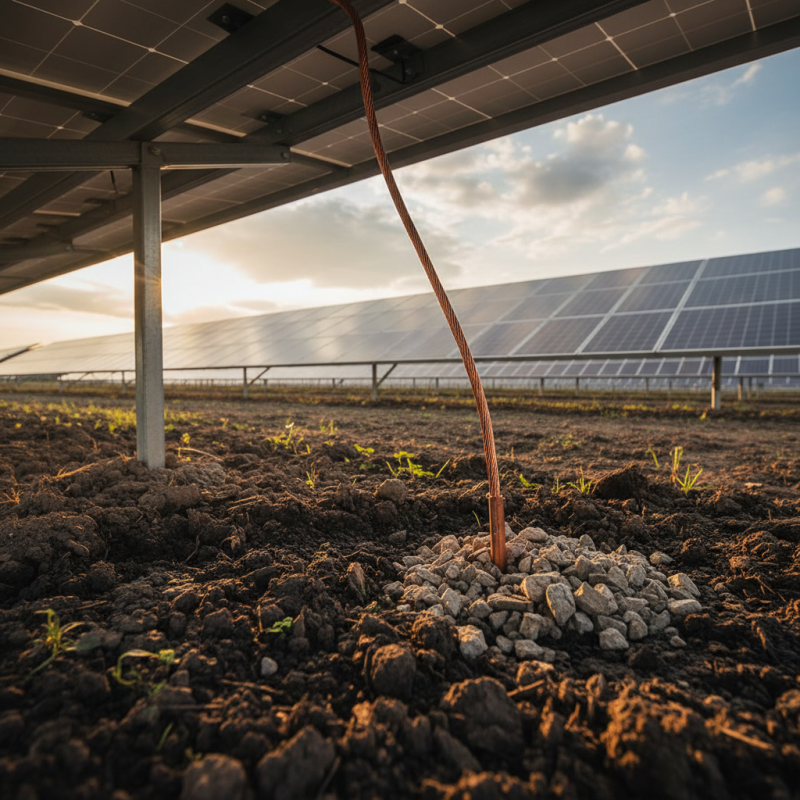
Key components of grounding include grounding electrodes, conductors, and bonding methods. Grounding electrodes connect the system to the earth. They can be metal rods or plates installed below the surface. Conductors are used to connect components to the grounding electrode. Improper connections can lead to performance issues. Inadequate bonding can also create dangerous voltage differentials. The Solar Energy Industries Association reports that about 20% of PV system failures relate to grounding issues. Overlooking these components can lead to significant safety hazards.

Additionally, ongoing maintenance of grounding systems is often neglected. Regular inspections are essential. They help identify loose connections and corrosion, which can compromise safety. Data indicates that 40% of solar installations fail to maintain proper grounding over time. A proactive approach to grounding can mitigate these risks and enhance overall system reliability.

Best Practices for Implementing Effective Grounding Techniques

Effective grounding techniques are crucial for solar PV systems. These systems can produce high voltages, making proper grounding essential for safety. Grounding ensures that excess electricity has a safe path to the earth, reducing the risk of electric shock and fire hazards. The National Electrical Code provides guidelines for grounding solar systems. Compliance with these guidelines helps protect both property and lives.

One best practice involves using a continuous ground conductor. This conductor should connect all array frames, inverters, and other metal parts. Proper connections and conductive materials strengthen the system’s grounding effectiveness. It is essential to regularly inspect these connections for corrosion or damage. A visible inspection might reveal potential issues that could undermine safety. Regular maintenance is often overlooked but critical for safety.

In addition, grounding electrode systems should be installed correctly. These systems should be designed to handle fault currents. Engineers sometimes face challenges in achieving optimal grounding with local soil conditions. Soil resistivity can vary, affecting grounding efficiency. Therefore, testing the soil and adjusting grounding methods accordingly can enhance overall performance.

How Grounding Enhances Safety for Solar PV Systems

Regulatory Standards and Compliance for Grounding Solar PV Systems

Grounding is an essential safety measure for solar photovoltaic (PV) systems. Regulatory standards dictate its implementation to protect both equipment and personnel. The National Electrical Code (NEC) provides guidelines stipulating that all solar PV systems must have proper grounding to prevent electrical faults. Inadequate grounding can lead to equipment damage and pose significant safety risks.

According to the Solar Energy Industries Association (SEIA), over 90% of solar installations in the U.S. comply with NEC standards, yet a concerning number still exhibit grounding issues. These problems can stem from improper installation or lack of maintenance. It's critical to regularly assess grounding systems to ensure they remain effective. Inspectors often recommend visual checks and testing of ground connections at least once a year.

Compliance with grounding standards also requires an understanding of local regulations. Some regions have additional requirements that may not be covered by national codes. Inconsistent adherence to these regulations can lead to liabilities and elevated risks. Identifying and addressing these gaps is vital for enhancing overall safety in solar PV system operations. Promoting proper training and ongoing education for installers can facilitate better compliance and performance.

FAQS

: Why is grounding important for solar PV systems?

: Grounding protects systems and users from electrical faults, reducing electric shock risks, especially in harsh weather.

How does grounding affect lightning protection?

Proper grounding directs lightning surges safely into the earth, preventing damage to equipment, especially in open areas.

What is a common oversight in solar system installations?

Many systems neglect recommended grounding techniques, risking catastrophic failures and endangering life and property.

How should grounding be approached during installation?

Grounding must be a priority in solar PV design, not an afterthought. Regular inspections are critical.

What are best practices for grounding techniques?

Using a continuous ground conductor to connect all parts ensures effective grounding and safety for solar systems.

Why is regular maintenance of grounding connections essential?

Inspections help identify corrosion or damage that could compromise grounding effectiveness, crucial for overall safety.

How do soil conditions impact grounding?

Soil resistivity varies, affecting grounding efficiency. Testing soil can inform better grounding strategies for performance.

Conclusion

Grounding is a critical aspect of electrical safety in solar PV systems, significantly enhancing safety by preventing electrical shocks and fires. Understanding the risks associated with ungrounded solar PV systems, such as potential overvoltage or equipment damage, underscores the necessity of proper grounding. Key components of grounding include earth electrodes, bonding conductors, and surge protection devices, all of which work together to create a safe electrical environment.

To effectively implement grounding techniques, it is essential to follow best practices, including regular inspections and adherence to established regulatory standards. Compliance with these standards ensures that solar PV systems are not only efficient but also safe for users and the environment. Understanding "how grounding improves solar PV safety" is vital for installation professionals and homeowners alike, as it mitigates risks and promotes the longevity and reliability of solar energy systems.

Sienna

Sienna

Sienna is a skilled marketing professional with a deep expertise in our company’s core products and services. With a passion for innovation and detail, she plays a pivotal role in crafting insightful blog posts that not only highlight the unique features of our offerings but also provide valuable......