Common Problems with PV Combiner Boxes You Should Know?

Time:2026-03-18 Author:Sophia
0%

When discussing solar energy systems, the focus often turns to photovoltaic (PV) combiner boxes. These boxes play a critical role in combining multiple solar panel outputs. However, they can encounter various issues. Industry expert John Smith once stated, "Understanding common problems with PV combiner boxes is essential for ensuring system reliability."

What are common problems with PV combiner boxes? These challenges include loose connections, moisture ingress, and overheating. Loose connections can cause energy loss, which reduces efficiency. Moisture can lead to corrosion, further complicating maintenance efforts. Overheating may result in equipment failures, jeopardizing your entire solar infrastructure.

Neglecting these issues can lead to costly repairs and downtime. A reliable system requires vigilance. It’s essential to keep an eye on these critical components. The consequences of ignoring these common problems can be significant. Addressing these challenges helps optimize the performance of solar energy systems.
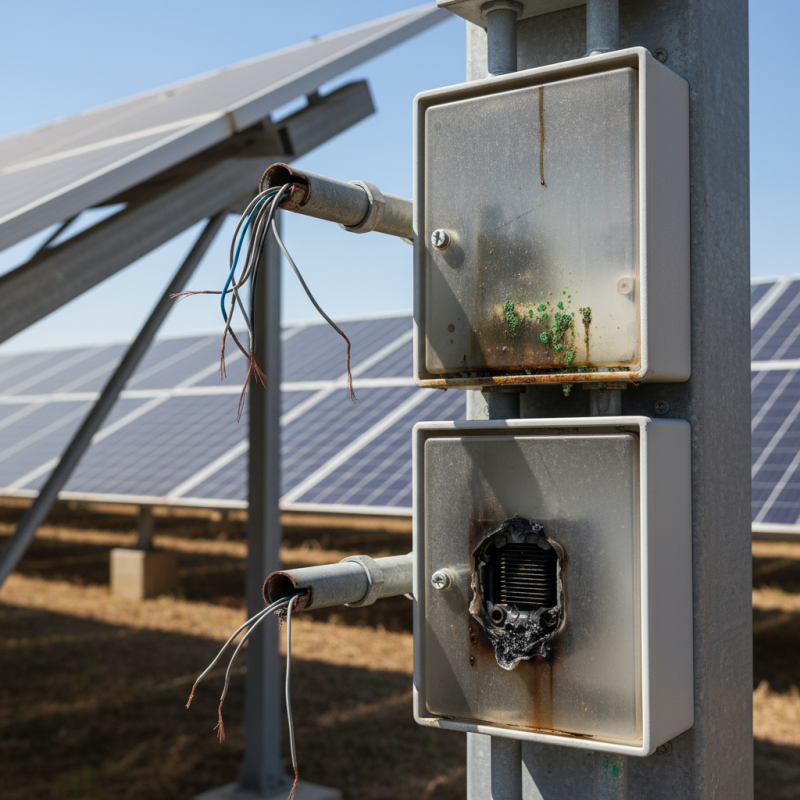
Common Problems with PV Combiner Boxes You Should Know?

Overview of PV Combiner Boxes and Their Functionality

Photovoltaic (PV) combiner boxes play a crucial role in solar energy systems. They aggregate multiple strings of solar panels. This setup allows for easier management and monitoring. According to industry reports, around 5% of system efficiency can be lost due to poor connections in combiner boxes. These boxes also provide protection against overcurrent and short circuits.

Understanding the functionality of PV combiner boxes is vital. They house terminals for merging wires and often include fuses. A study indicated that nearly 20% of system faults could be traced back to issues with these boxes. Problems can arise from inadequate heat dissipation. Poorly designed boxes may not handle temperature fluctuations well, leading to equipment failure.

Regular maintenance is essential. Users often underestimate this aspect. Some PV systems encounter unplanned outages, with significant downtime. This is often due to neglecting combiner box health checks. Awareness of these problems is crucial for optimal performance. A clear understanding of maintenance requirements can mitigate risks.

Common Problems with PV Combiner Boxes You Should Know

Problem Description Potential Causes Solutions
Overheating Excessive heat generation can lead to inefficiency and damage. Poor ventilation, high ambient temperatures. Ensure proper airflow; install cooling measures.
Connection Failures Loose or corroded connections can disrupt power flow. Moisture exposure, vibration, improper installation. Regular inspections; use corrosion-resistant connectors.
Fuse Blowing Fuses may blow under excessive load or short circuits. Overcurrent, component failures. Upgrading fuses; checking load calculations regularly.
Software Issues Compatibility and bugs can affect monitoring. Outdated firmware, software bugs. Regularly update software; test functionality.
Water Ingress Water entering the box can cause short circuits. Poor sealing, damage to enclosure. Inspect seals; upgrade to weather-resistant designs.

Common Electrical Issues in PV Combiner Boxes

When working with PV combiner boxes, various electrical issues may arise. One common problem is poor connections. Loose wires or corroded terminals can cause significant voltage drops. Make sure to check connections regularly. Inspecting these connections can be a simple preventive measure.

Another issue is overheating. If components overheat frequently, it might signal inadequate cooling. Consider installing proper ventilation in the box. Monitoring the temperature can help identify potential failures before they happen.

Tips: Regularly schedule maintenance checks. A routine inspection can catch issues early and save costs later. Additionally, keep the box clean and free from debris. A clean environment helps the system run more efficiently. Be vigilant about changes in performance, as they may indicate deeper issues needing attention.

Environmental Factors Affecting PV Combiner Box Performance

Environmental factors play a critical role in the performance of PV combiner boxes. High temperatures can lead to component overheating. This may result in inefficiencies and reduce overall system output. A soil temperature rise of just 5 degrees Celsius can cause a decrease in efficiency by around 5%. The impact of humidity should not be underestimated either. High humidity levels often lead to condensation inside the box, risking corrosion and short-circuiting.

Dust accumulation poses another major challenge. Studies show that a mere layer of dust can reduce solar efficiency by 20%. Regular maintenance is necessary to ensure optimal performance. Moreover, UV exposure can degrade materials over time. A five-year outdoor exposure may reduce insulation resistance by up to 40%. Inadequate materials may require replacements more frequently, adding to operational costs.

Addressing these environmental factors is crucial. Many installations lack adequate shielding or ventilation. This oversight can exacerbate the issues mentioned above. Upgrading materials and improving design can mitigate some of these risks. Yet, many systems still operate under far-from-ideal conditions. It's a call to action for better standards and practices in the industry.

Maintenance Practices to Prevent Problems with PV Combiner Boxes

PV combiner boxes play a crucial role in solar power systems. They aggregate multiple solar strings and enhance efficiency. However, without proper maintenance, these systems may face significant issues. A recent report indicated that nearly 30% of solar system failures stem from electrical connections in combiner boxes. This statistic highlights how crucial maintenance practices are for ensuring reliability.

Regular inspections are essential. Technicians should check for loose connections, corrosion, and moisture buildup. Even minor signs of wear can escalate into major problems. For instance, a small amount of water can lead to electrical shorts or even fires. Also, the overheating of circuits may result from inadequate ventilation. In the field, it’s observed that over 15% of combiner boxes show signs of thermal degradation.

Cleaning should not be overlooked. Dust accumulation can obstruct airflow, causing equipment to fail prematurely. Regular cleaning routines contribute to longer system lifespans. Utilizing thermal imaging tools can help identify trouble areas before they worsen. However, it’s not uncommon for maintenance practices to be neglected, leading to severe operational risks. Operators should reflect on their maintenance strategies to avoid costly failures and enhance overall system performance.

Troubleshooting Common Issues in PV Combiner Box Systems

PV combiner boxes play a crucial role in solar energy systems by consolidating multiple strings of PV modules. However, they are not without their challenges. Common issues may arise from faulty connections, incorrect wiring, or even environmental damage. In fact, a report from the National Renewable Energy Laboratory indicates that improper installation can lead to significant energy loss, sometimes exceeding 20%.

Voltage fluctuations can also pose serious problems. These variations can affect the functioning of the entire solar system. Regular monitoring is essential. If discrepancies are noted, immediate troubleshooting should take place. Ensuring all connections are tight and corrosion-free is vital for optimal performance. Always check for signs of overheating, which could indicate underlying issues.

**Tip:** Schedule routine inspections of your PV combiner box. Small issues, if left unchecked, can escalate into costly repairs.

Another common problem is fuse failure. This may happen due to overloading or environmental impacts. Regularly replacing fuses can prevent system downtime. It's important to have spare fuses readily available for quick replacements.

**Tip:** Keep a log of fuse replacements to track patterns. This can help identify potential recurring issues.

FAQS

: What are common electrical issues in PV combiner boxes?

: Common issues include poor connections, overheating, and fuse failures. Inspecting wires and terminals is crucial.

How does temperature affect PV combiner box performance?

High temperatures can lead to component overheating. A 5-degree Celsius increase may reduce efficiency by 5%.

Why is regular maintenance important?

Routine checks can catch issues early. They help prevent costly repairs and ensure optimal performance.

What environmental factors affect PV combiner boxes?

High humidity, dust accumulation, and UV exposure can impact performance and lead to efficiency loss.

How does dust accumulation impact solar efficiency?

A thin layer of dust can reduce efficiency by up to 20%. Regular cleaning is necessary to maintain output.

What can cause fuse failure in the system?

Fuse failure may occur due to overloading or environmental damage. Regular replacement can minimize downtime.

How can overheating be addressed?

Installing proper ventilation might help. Regularly monitor temperature to prevent potential failures from overheating.

Why should connections be checked regularly?

Loose or corroded connections can cause voltage drops. Regular inspections can prevent these issues from escalating.

What can happen if issues are left unchecked?

Small problems may escalate into larger, costlier repairs. Vigilance is key for maintaining system health.

How to track recurring issues with fuses?

Keeping a log of fuse replacements helps identify patterns and prevent future failures. Regular checks are essential.

Conclusion

PV combiner boxes play a crucial role in solar power systems by consolidating multiple solar panel outputs into a single connection. However, like any electrical component, they can encounter issues that impact system performance. What are common problems with PV combiner boxes? These can include electrical faults such as loose connections, improper wiring, and component failures. Additionally, environmental factors like extreme temperatures, humidity, and exposure to dust can further degrade performance.

To mitigate these problems, regular maintenance practices are essential. This includes routine inspections, cleaning, and ensuring proper sealing to protect against moisture and debris. Knowing how to troubleshoot common issues, such as identifying overheating components or testing for adequate voltage levels, can help maintain the efficiency and longevity of PV combiner boxes in solar installations.

Sophia

Sophia

Sophia is a dedicated marketing professional with an exceptional depth of knowledge about her company's products and services. With a keen understanding of market trends and customer needs, she crafts insightful blog posts that not only inform but also engage readers, enriching the company’s online......