2026 How to Choose Residual Current Devices for Solar PV?

Time:2026-05-22 Author:Isabella
0%

In the evolving landscape of solar photovoltaic (PV) systems, understanding "What are residual current devices in solar PV" becomes crucial. According to a report from the International Energy Agency (IEA), solar energy is projected to be the leading source of electricity by 2026. The integration of residual current devices (RCDs) significantly enhances safety and operational reliability, which is vital as solar installations scale up.

Expert Dr. Emily Morgan, a leading authority in electrical safety in renewable energy, emphasizes, “The effective use of RCDs can significantly reduce risks associated with electrical faults in solar systems.” RCDs protect both the equipment and users by detecting imbalances in electrical currents, thus preventing potential hazards.

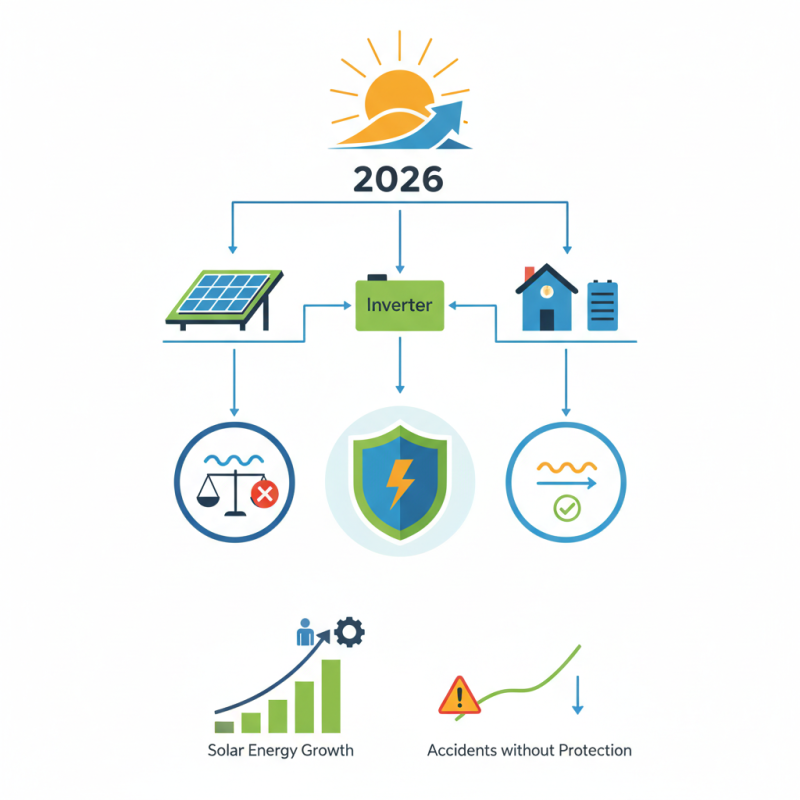
As the solar industry grows, the need for RCDs becomes more pronounced. Yet, many systems still lack adequate protection. Industry data points to a concerning rise in accidents without proper measures in place. The challenge lies in educating installers and owners about the benefits and requirements of RCDs. Investing time in understanding these devices can enhance safety standards.
2026 How to Choose Residual Current Devices for Solar PV?

Understanding Residual Current Devices in Solar PV Systems

Residual Current Devices (RCDs) play a crucial role in solar PV systems. They detect imbalances in electrical current, ensuring user safety. With increasing solar installations, understanding RCDs is more important than ever. Each solar system has specific RCD requirements based on its design and size. Selecting the right device helps prevent potential electrical hazards.

RCDs come in different types, including Type AC and Type A. Type AC RCDs detect only alternating currents. Type A RCDs handle both AC and pulsating DC currents. This distinction is critical for solar PV systems using inverters. A mismatch can lead to failure in protection. Regular testing of RCDs is also essential. Neglecting this may result in devices not functioning properly when needed.

Installation locations matter too. RCDs should be positioned where moisture is minimal to prevent malfunction. However, sometimes it's hard to find ideal spots. Not every installation meets perfect conditions, which leaves room for improvement. Understanding these factors ensures that solar PV systems operate safely and effectively. Thus, making informed choices about RCDs is vital for every solar energy user.

The Importance of Residual Current Devices for Safety in Solar Installations

Residual current devices (RCDs) play a critical role in ensuring the safety of solar PV installations. They help prevent electric shocks and electrical fires, acting as a first line of defense against faults. According to the International Electrotechnical Commission, around 1000 electrical accidents occur annually, many due to faulty installations. RCDs detect leakage currents and disconnect the circuit, protecting both users and equipment.

When selecting RCDs, it’s essential to consider the specific needs of your solar installation. Different types exist, including type AC and type A, each suited for various applications. Research shows that RCDs can reduce the risk of electrocution by over 90%. Ensure compliance with local electrical safety codes; this mitigates risks associated with incorrect installation.

**Tip:** Regular maintenance checks on RCDs are vital. They contain test buttons which should be activated at least quarterly to ensure functionality.

**Tip:** Invest in RCDs with a low trip current of 30mA for personal protection. This is especially important in residential settings. Higher sensitivities can offer additional safety but must align with the specific load and environment conditions.

Monitoring and adjusting your RCD settings based on usage patterns can enhance safety further. Misunderstandings about installation requirements still exist in the industry. Training and awareness are key to overcoming these gaps.

Key Factors to Consider When Choosing Residual Current Devices

When selecting residual current devices (RCDs) for solar photovoltaic (PV) systems, several key factors must be taken into account. Understanding the electrical characteristics of your solar setup is crucial. This includes the system voltage, current ratings, and the type of installation. RCDs need to be compatible with the generated power. This isn’t always straightforward, potentially leading to inadequate protection if overlooked.

Another essential factor is the sensitivity rating of the RCD. Many systems can benefit from devices with a sensitivity level of 30 mA. This rating protects humans from electrical shock but may not be adequate for all scenarios. In some cases, higher sensitivity RCDs may be necessary, depending on local regulations and risk factors. It’s vital to reflect on these specifications during the selection process.

Installation location can also impact RCD performance. Outdoor installations may require devices with higher resilience to environmental conditions. Additionally, compatibility with existing equipment must not be ignored. Unexpected interactions between devices can lead to malfunctions. Therefore, careful evaluation of the entire system is essential. Understanding these nuances helps ensure a reliable, safe solar PV setup.

Comparison of Residual Current Devices (RCDs) Types for Solar PV Systems

This bar chart illustrates the different types of Residual Current Devices (RCDs) used in solar PV systems, focusing on their protection level measured in milliamperes (mA). Each type serves unique applications and helps enhance safety in photovoltaic installations.

Types of Residual Current Devices Suitable for Solar PV Applications

When selecting residual current devices (RCDs) for solar PV applications, it’s crucial to understand their types. RCDs help protect against electric shocks and prevent electrical fires. For solar installations, two primary types of RCDs are commonly used: type AC and type A.

Type AC RCDs detect alternating current leakage but may not respond well to DC components. They are suitable for simple solar setups with minimal equipment. However, as solar technology evolves, type A RCDs are increasingly necessary. These devices can detect both AC and pulsating DC currents. This feature makes them more reliable for modern solar PV systems.

Choosing the right RCD can be complex. Many systems today integrate inverters that introduce DC elements. Using an inappropriate RCD type may result in malfunction or failure to trip in a fault condition. Some installations might require additional safety measures. It's important to assess the specific needs of your solar system to ensure safety and compliance.

Installation and Maintenance Guidelines for Residual Current Devices

When installing Residual Current Devices (RCDs) for solar PV systems, attention to detail is critical. According to industry studies, approximately 30% of electrical accidents can be attributed to faults in photovoltaic systems. Ensuring that RCDs are properly chosen significantly reduces this risk. The Earth Fault Loop Impedance (EFLI) must be tested, as incorrect readings can lead to inadequate RCD performance. Compliance with standards like IEC 62020 is essential for reliable operation.

Maintenance of RCDs is often overlooked. The International Electrotechnical Commission (IEC) suggests regular testing every six months. Regular testing identifies issues before they result in failures. Users should consider a thorough maintenance plan incorporating visual inspections of connections and wiring. Data from the Solar Energy Industries Association indicates that well-maintained systems can improve energy conversion efficiency by up to 5%. Neglecting maintenance can lead to reduced functionality or even complete device failure, highlighting the importance of proactive care.

Despite the best efforts, errors can occur during installation. Correct training is vital; however, not all technicians have ample experience. It's crucial to engage with certified professionals who understand local regulations. Poor installation practices can not only reduce efficiency but may also create safety hazards. Keeping an eye on these details ensures long-term reliability and safety in solar PV systems.

2026 How to Choose Residual Current Devices for Solar PV? - Installation and Maintenance Guidelines for Residual Current Devices

Criteria Description Recommended Value
Rated Current (In) The maximum current the device can handle. 40A
Rated Residual Current (IΔn) The leakage current detection threshold of the device. 30mA for personal protection
Response Time The speed at which the device reacts to a fault current. < 40 ms
Type of RCD Based on the types of electrical equipment to be protected. Type A or Type B
Installation Location Where the device will be installed within the system. Inside switchboard or outdoor enclosure
Maintenance Frequency How often the device should be tested or inspected. Every 6 months

FAQS

: What are Residual Current Devices (RCDs)?

: RCDs detect imbalances in electrical current to protect users from hazards.

Why are RCDs important in solar PV systems?

They prevent electric shocks and fires, acting as a safety measure against faults.

What types of RCDs are available?

There are Type AC RCDs for alternating currents and Type A RCDs for both AC and pulsating DC.

How often should RCDs be tested?

Regular testing is vital. Activate test buttons at least quarterly to ensure they work properly.

Where should RCDs be installed?

Ideal locations have minimal moisture, but perfect conditions are not always achievable.

What sensitivity rating is recommended for residential RCDs?

A sensitivity rating of 30 mA is suggested for personal protection in residential settings.

How can RCD performance be affected?

Installation location, environmental conditions, and compatibility with existing equipment impact performance.

What should be considered when choosing RCDs?

The system voltage, current ratings, and specific protection needs must align with the solar setup.

Can misunderstandings occur with RCD installations?

Yes, misunderstandings exist, highlighting the need for training and awareness in the industry.

Is it essential to comply with local electrical codes?

Yes, compliance reduces risks associated with incorrect RCD installations and enhances safety.

Conclusion

Residual current devices (RCDs) in the context of solar PV systems play a crucial role in ensuring safety and preventing electrical hazards. These devices continuously monitor the electrical current flowing in the system and disconnect the supply in case of any imbalance, thus protecting both users and equipment. It is essential to understand what residual current devices in solar PV are, as they are integral to mitigating risks associated with electrical faults.

When choosing an RCD for solar installations, several key factors must be considered, including the type of RCD, its sensitivity rating, and compliance with local regulations. Various types of RCDs, such as Type A and Type B, are suited for different solar applications, providing tailored protection based on the system's characteristics. Furthermore, proper installation and regular maintenance of these devices are vital to ensure they operate efficiently and provide the necessary safety measures in solar energy systems.

Isabella

Isabella

Isabella is a dedicated marketing professional with a sharp focus on driving brand growth and engagement through strategic content creation. With an extensive background in digital marketing, she combines her passion for storytelling with her keen understanding of industry trends to deliver......