Choosing the right connectors for solar panels is crucial for optimal performance. Many overlook this aspect, assuming all connectors are the same. However, the truth lies in distinct designs and functions that could affect energy efficiency.
When considering how to choose connectors for solar panels, several factors come into play. These include durability, resistance to harsh weather, and compatibility with panel types. Poor-quality connectors can lead to energy losses or even system failures.
It's also essential to reflect on personal experience. Have you faced issues with connectors in the past? Ensuring that your choices enhance the system is vital. Experts suggest focusing on established brands known for reliability. While many new products flood the market, sticking with proven options can save you future headaches.
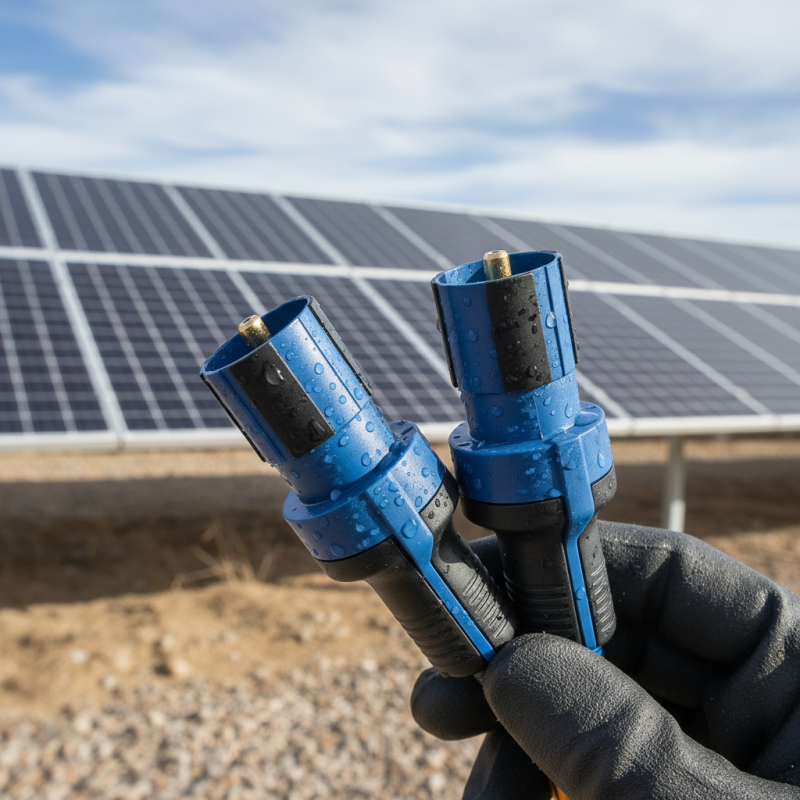
Solar panel connectors play a crucial role in solar systems, ensuring efficient energy transfer and system reliability. These connectors serve as the link between solar panels and the inverter, allowing for smooth operation. According to a report by NREL, about 25% of system failures in solar installations can be traced back to poor connectors. Therefore, understanding the right type of connectors is vital for both performance and longevity.
Consider the environment where the connectors will be used. Exposure to UV radiation, moisture, and extreme temperatures can affect performance. Selecting connectors rated for harsh conditions can prevent costly replacements. Tips for choosing connectors include checking their compatibility with both the panels and the inverter. Additionally, always verify the quality of the materials used. Poor materials can lead to heat buildup and potential failure.
Finally, remember that installation is just as important as the connector itself. Incorrect installation can nullify any benefits gained from using high-quality connectors. Consulting with installation experts can identify potential issues early on. Additionally, regular maintenance ensures that connections remain secure and effective, significantly improving system efficiency over time.
When choosing solar panel connectors, understanding the types available is crucial.
MC4 connectors are the standard in the solar industry. They are designed for maximum compatibility and efficiency, making them the most popular choice.
According to a report by IHS Markit, over 80% of solar installations utilize MC4 connectors, highlighting their reliability and performance in the field.
While MC4 dominates, newer options are emerging. For example, the H4 connector offers similar benefits but is engineered for lighter-weight applications. It has been gaining traction in residential installations.
A recent study indicated a 25% increase in H4 use among small-scale solar projects, demonstrating a shift in market preferences. However, the versatility of MC4 provides necessary security and assurance for many contractors.
Connectivity also poses challenges. Environmental factors can affect performance. Some connectors may degrade over time due to UV exposure or corrosion from moisture. It’s vital to choose connectors rated for harsh conditions.
The industry standard for durability often requires IP68 ratings. That way, solar systems can maintain efficiency and longevity, even in demanding environments.
When selecting solar panel connectors, understanding key features can greatly impact system efficiency. A reliable connector ensures optimal energy transfer. Pay attention to the material quality. Connectors made from durable materials resist corrosion and enhance longevity. Look for connectors with UV resistance, perfect for outdoor applications.
Another critical aspect is the connector's current rating. Ensure that the connectors can handle the maximum current of your solar panels. This prevents overheating and possible failures. Proper wire gauge is also essential. Use appropriate gauge wires to avoid power drop.
Tips to remember: Always check compatibility between connectors and your solar system. Mismatched connectors can lead to inefficiencies. Regularly inspect connectors for wear and tear, even if everything seems fine. An overlooked connector can lead to bigger issues over time. Investing time in selecting the right connectors pays off in the long run.
| Feature | Description | Importance |
|---|---|---|
| Compatibility | Ensure connectors match with solar panel and inverter specifications. | High |
| Current Rating | Rated maximum current that can safely pass through the connector. | High |
| Voltage Rating | Maximum voltage that the connector can handle. | High |
| Temperature Range | Operating temperature limits for reliable performance. | Medium |
| Material Quality | Durability and resistance to corrosion or UV damage. | High |
| Ease of Installation | Simplicity of fitting and maintaining the connectors. | Medium |
| Water Resistance | Protection against moisture ingress to ensure reliability. | High |
| Cost | Price range of connectors compared to their features. | Medium |
When installing solar panel connectors, attention to detail is crucial. According to the National Renewable Energy Laboratory (NREL), improper connections can cause energy losses of up to 20%. Ensuring tight connections minimizes resistance and promotes efficient energy transfer. The wire gauge is also vital; using the correct size reduces potential overheating, enhancing safety and durability.
Environmental factors such as moisture and temperature fluctuations can impact connector performance. The Journal of Renewable Energy reports that connectors exposed to high humidity may experience accelerated degradation. Choosing weather-resistant materials can mitigate these risks. Regular inspections of connectors for signs of wear or corrosion is essential, as early identification can prevent costly downtime.
Proper installation techniques cannot be overlooked. Each connector should be securely fastened, with appropriate torque specifications applied. Misalignment can lead to increased wear and loss of efficiency. While choosing high-quality components is recommended, the installation process itself must be executed thoughtfully to maximize reliability and functionality.
This chart compares the efficiency of different solar panel connectors based on their performance metrics such as voltage drop, ease of installation, and weather resistance. The data showcases how these metrics can impact overall solar energy production.
Solar panel connectors are critical for ensuring a solar system operates efficiently. Regular maintenance of these connectors can prevent performance issues. According to industry reports, poor connections are responsible for nearly 30% of energy losses in photovoltaic systems. Neglecting connector maintenance can lead to overheating and potential fire hazards.
Visual inspection of connectors should be routine. Look for discoloration or corrosion. Maintain a clean environment around the connectors to reduce dirt buildup. Dust and debris can cause overheating. Keep ventilation pathways clear. When issues arise, consider troubleshooting steps such as tightening connections or replacing damaged components.
If connectors show signs of wear, replace them promptly. A proactive approach is essential for longevity. Regular checks and maintenance can enhance system performance. The goal should always be a reliable and safe solar panel system. Implementing these practices may require more effort but is essential for efficiency and safety.
: Solar panel connectors link solar panels to the inverter. They ensure efficient energy transfer and system reliability.
About 25% of solar system failures stem from poor connectors. This can lead to reduced performance and efficiency.
Consider UV exposure, moisture, and temperature variations. These factors significantly impact connector performance and lifespan.
Improper installation can negate the benefits of high-quality connectors. It may cause energy losses up to 20%.
Regularly inspect for discoloration or corrosion. Keep connectors clean and ventilated to avoid overheating.
Perform regular inspections. Early identification of issues can prevent costly downtime and enhance performance.
Choose weather-resistant materials. Poor quality can lead to heat buildup and connector failures.
Replace worn connectors promptly. A proactive approach is important for system longevity and safety.
High humidity can accelerate degradation. Choosing durable connectors can minimize risks associated with harsh environments.
Ensure each connector is securely fastened. Follow torque specifications to avoid misalignment and efficiency loss.
When considering how to choose connectors for solar panels, it's essential to understand their pivotal role in solar systems. Solar panel connectors, particularly MC4 connectors and variations, allow for safe and efficient connections between solar modules. Key features to look for include compatibility, durability, water resistance, and ease of installation, which can significantly affect overall system performance.
Moreover, proper installation is crucial to maximize efficiency and longevity. Following best practices during installation helps prevent issues such as corrosion and disconnections. Regular maintenance and troubleshooting can ensure that the connectors remain in good condition, ultimately extending the lifespan of your solar power system. By focusing on these aspects, one can make informed decisions that enhance the effectiveness of solar energy systems.

SDEV Charger