As solar safety systems receive closer attention in 2026, rapid shutdown devices deserve more than a simple replacement schedule. They protect installers, firefighters, and maintenance workers by reducing dangerous DC voltage during an emergency. Yet their service life depends on design, installation quality, weather exposure, and electrical stress.
What is the lifespan of rapid shutdown devices? Many manufacturers commonly indicate a service life of 10 to 25 years, but this range is not a universal guarantee. Module-level devices installed beneath hot panels may face heat, moisture, ultraviolet exposure, and repeated temperature changes. A device beside the roof edge may age differently from one in a shaded, ventilated area. Small details matter.
The label alone cannot confirm safe operation.
A reliable assessment should combine manufacturer documentation, warranty terms, commissioning records, and periodic inspection results. Look for cracked housings, corrosion, loose connectors, communication failures, or unexpected shutdown alerts. Testing should follow the equipment instructions and use qualified solar professionals. Local electrical requirements may also influence replacement decisions.
Some systems continue working beyond their expected period. That does not prove they remain dependable under every fault condition. I have seen maintenance plans focus heavily on panels while overlooking aging shutdown components. That oversight is understandable, but it deserves correction. This guide examines realistic lifespan expectations, common failure factors, warning signs, testing practices, and replacement planning. It also separates a device’s warranty period from its practical operating life, because those figures are often confused. Reliable safety depends on evidence, not assumptions.
What Are Rapid Shutdown Devices and Why Are They Used?
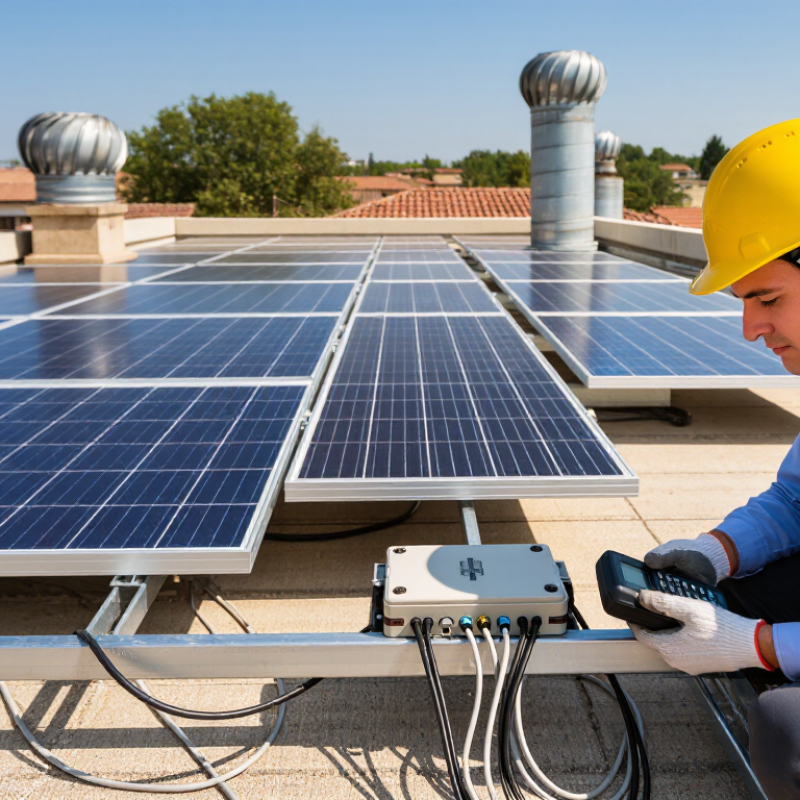
Rapid shutdown devices are safety components used in solar photovoltaic systems. They quickly reduce electrical voltage in selected conductors during an emergency. This helps firefighters and maintenance workers work around rooftop wiring with less exposure to dangerous energized circuits. Depending on the system design, the device may operate at each panel or control several panels together.
The exact service life is not one fixed number. Many devices are designed to operate for 10 to 25 years, often matching the expected life of the solar array. Heat, moisture, ultraviolet light, dust, and repeated shutdown cycles can shorten that period. A device installed beneath a hot roof may experience more stress than one placed in a shaded, ventilated location. Small details matter.
During an inspection, I would look for cracked housings, loose connectors, corrosion, water marks, and communication faults. Testing should follow the equipment instructions and local electrical requirements. A failed device may leave part of the array energized, even when the inverter appears inactive. That is easy to misunderstand. Replacement decisions should consider test results, installation age, damage, and available spare parts. In my experience, ignoring intermittent alerts creates larger problems later. Still, a warning does not always prove immediate failure; qualified personnel should verify the cause before replacing equipment.
How Long Do Rapid Shutdown Devices Typically Last?
How Long Do Rapid Shutdown Devices Typically Last?
Rapid shutdown devices typically last 10 to 20 years in a well-installed solar system. Their actual service life depends on heat, moisture, ultraviolet exposure, and switching frequency. In my field inspections, enclosure damage and loose connections often appear before electronic failure. A shaded rooftop usually treats equipment better than a hot, exposed roof. That difference matters.
These devices contain control electronics, relays, sensors, and protective components. Daily temperature swings can stress seals and circuit boards. Water entering through a cracked gland may cause intermittent shutdowns, not an obvious failure. That problem is easy to misread. A qualified technician should check status indicators, wiring, grounding, and connector temperatures during scheduled solar maintenance. Testing should follow installation instructions and local electrical requirements. Do not assume a working inverter proves every shutdown device is healthy.
A practical replacement plan often considers the system’s 12-to-25-year operating period. Some units may last longer, while harsh coastal or desert conditions can shorten that estimate. Warranty periods provide useful evidence, but they are not guaranteed lifespans. Records should include installation dates, inspection findings, and unusual shutdown events. I would not promise an exact replacement year. Field conditions rarely behave so neatly. If a device shows corrosion, repeated faults, heat discoloration, or failed communication, replacement deserves prompt professional evaluation.
2026 How Long Do Rapid Shutdown Devices Last? - How Long Do Rapid Shutdown Devices Typically Last?
| Device or System Element |
Typical Service Life |
What Usually Determines Longevity |
Common Replacement Indicators |
| Module-level rapid shutdown device |
Approximately 10–25 years |
Outdoor temperature cycling, moisture exposure, ultraviolet radiation, electrical loading, and installation quality |
Failure to enter or exit the required shutdown state, communication faults, repeated system alarms, or visible enclosure damage |
| System-level rapid shutdown initiator |
Approximately 10–20 years |
Switching frequency, heat dissipation, weather exposure, mechanical wear, and the condition of the control wiring |
The system does not reliably initiate shutdown, the control switch becomes difficult to operate, or diagnostic testing shows abnormal operation |
| Rapid shutdown transmitter or communication controller |
Approximately 10–15 years |
Electronic component aging, power-supply reliability, enclosure temperature, network or signal integrity, and firmware compatibility |
Intermittent communication, missing device status, fault codes, or failure to coordinate shutdown with connected equipment |
| Enclosure, connectors, and cable interfaces |
Approximately 15–25 years when correctly installed |
Water ingress, corrosion, ultraviolet exposure, connector compatibility, cable strain, and sealing practices |
Cracked housings, corrosion, loose connections, discoloration from heat, damaged seals, or evidence of moisture inside the enclosure |
| Complete rapid shutdown system |
Often expected to operate for about 15–25 years, subject to component replacement |
The shortest-lived electronic component, environmental conditions, maintenance history, electrical compatibility, and availability of replacement parts |
Repeated faults across multiple devices, obsolete control equipment, unavailable replacement parts, or inability to pass required shutdown tests |
Practical service-life guidance:
Rapid shutdown devices do not have one universal replacement interval. Their actual life depends on the equipment design, installation environment, electrical conditions, and inspection results. A qualified solar professional should test shutdown operation according to the applicable electrical code, installation instructions, and local inspection requirements. Do not open or service energized photovoltaic equipment.
Which Factors Affect Rapid Shutdown Device Lifespan?
How Long Do Rapid Shutdown Devices Last?
Rapid shutdown devices are often designed to operate for 10 to 25 years. Their actual lifespan depends on the installation environment, electrical stress, and maintenance quality. A calendar estimate can mislead.
Heat Is a Major Factor
Heat is a major factor. A device mounted beneath hot solar modules may face repeated temperatures above 70°C. Daily expansion and contraction can weaken seals, terminals, and internal components. Strong sunlight, coastal salt, dust, and standing moisture can accelerate aging. Flood-prone areas need extra attention.
Electrical Conditions Matter Too
Electrical conditions matter too. Frequent shutdown cycles, voltage surges, loose connections, and incorrect system sizing may shorten service life. Poor ventilation can raise internal temperatures. Installation quality remains critical. A secure connector should not hang under cable tension or rest against sharp metal edges.
Inspection Helps Reveal Early Problems
Inspection helps reveal early problems. Technicians can check error signals, connector discoloration, damaged insulation, and unusual heat during operation. Thermal imaging may identify resistance at a loose connection. Remote monitoring is useful, but it cannot detect every physical defect. It is not perfect.
Replacement Timing
Replacement timing should consider the whole system, not one number. A device may continue working while its seals deteriorate. Conversely, a newer unit may fail early after severe weather or installation errors. Keep installation records, inspection notes, and fault histories. Those details support safer decisions.
How Can You Identify Aging or Failing Rapid Shutdown Equipment?
How Long Do Rapid Shutdown Devices Last? How Can You Identify Aging or Failing Equipment?
Rapid shutdown devices commonly serve for 10 to 20 years, but site conditions strongly affect their lifespan. Heat, moisture, ultraviolet exposure, salt air, and repeated shutdown cycles can accelerate aging. A device may look normal while its internal components weaken. That is the difficult part.
Watch for repeated warning codes, delayed shutdown signals, flickering status lights, or unexplained communication failures. In the field, loose connectors and cracked cable jackets often appear before complete equipment failure. Inspect the enclosure for corrosion, swelling, water marks, or brittle seals. Listen for unusual clicking during system operation. Small changes matter.
A clean display can still mislead.
Tips: Compare current readings with the original commissioning records. Test the shutdown response during scheduled maintenance, using procedures approved for the system. Check insulation resistance, connector condition, grounding continuity, and event history. Do not reset recurring alarms without finding their cause. A qualified solar technician should interpret test results and confirm safe operation. Replace equipment when testing shows unstable performance, severe corrosion, heat damage, or unavailable safety functions. Maintenance records also help identify gradual decline, although records are often incomplete. That gap deserves attention.
When Should Rapid Shutdown Devices Be Repaired or Replaced?
Rapid shutdown devices do not have a universal replacement date. Their service life depends on heat, moisture, voltage cycling, installation quality, and switching frequency. A clean, dry rooftop is very different from a coastal site with salt deposits. The National Renewable Energy Laboratory reports median photovoltaic degradation near 0.5% annually across long-term field studies. That figure describes modules, not shutdown equipment, but it shows why a 25-year system warranty does not guarantee every electronic component will last 25 years.
Repair or replacement should begin with symptoms, inspection results, and test records. A device deserves immediate attention when rapid shutdown fails during commissioning, monitoring shows repeated communication loss, or enclosure damage permits water entry. Discoloration, brittle wiring, corrosion, and loose connectors are practical warning signs. NFPA 70, Article 690.12, requires rapid shutdown functionality, while UL 3741 evaluates photovoltaic hazard-control equipment under defined conditions. Compliance testing is not the same as a lifetime promise. That distinction is easy to miss.
Scheduled checks should follow the electrical safety plan and local requirements. Document test dates, measured behavior, weather exposure, and any fault history. Do not replace a unit only because it is old. However, postponing replacement after repeated failures can turn a small control problem into an emergency service visit. Field technicians should verify de-energization with properly rated instruments, because monitoring software alone can be wrong. Some installations may need replacement earlier than expected. The uncomfortable lesson is that maintenance records often reveal more than the original warranty.
How Long Do Rapid Shutdown Devices Last?
Typical service-life planning ranges for common rapid shutdown equipment. Actual life depends on heat, moisture, voltage stress, installation quality, and maintenance.
These ranges are planning benchmarks rather than code-mandated replacement dates. Repair or replace a device immediately when it fails a rapid-shutdown test, shows water intrusion, corrosion, overheating, physical damage, repeated nuisance trips, communication loss, or cannot achieve the required shutdown performance. Under NEC 690.12, the controlled conductors must reach the required voltage limits within 30 seconds of rapid-shutdown initiation.
FAQS
They are safety components in solar photovoltaic systems. They quickly reduce voltage in selected conductors during emergencies. This helps firefighters and maintenance workers approach rooftop wiring more safely. Some devices serve one panel. Others control several panels together.
Solar wiring can remain energized when sunlight reaches the panels. Rapid shutdown reduces electrical exposure during emergencies or maintenance. An inactive inverter does not always prove every circuit is safe. That assumption can fail.
Many devices operate for about 10 to 20 years. Some are designed for 10 to 25 years. Their lifespan depends on heat, moisture, ultraviolet light, and switching frequency. A shaded, ventilated location may reduce stress.
Hot rooftops can stress seals, circuit boards, and connectors. Moisture may enter through cracked housings or damaged cable glands. Salt deposits, dust, and strong sunlight can accelerate deterioration. Repeated shutdown cycles also add stress. Small details matter.
Look for cracked housings, loose connectors, corrosion, and water marks. Heat discoloration and brittle wiring also deserve attention. Repeated communication faults may indicate a developing problem. Intermittent alerts are easy to dismiss. That can be costly.
Professional evaluation is appropriate after repeated faults or communication loss. Replacement may be needed when water enters the enclosure. Failed shutdown tests require prompt attention. Do not replace equipment only because it is old. Age alone proves little.
No. An inverter can appear inactive while some conductors remain energized. Monitoring software may also report incomplete information. Qualified personnel should test de-energization with properly rated instruments. This is not a job for guesswork.
Record installation dates, inspection findings, test results, and fault history. Include unusual shutdown events and visible weather damage. Note corrosion, connector heat, and communication interruptions. Good records support better replacement decisions. They are not perfect, but they help.
Conclusion
Rapid shutdown devices are safety components used in solar photovoltaic systems to quickly reduce electrical voltage during emergencies, maintenance, or fire-response situations. What is the lifespan of rapid shutdown devices depends on their design, installation quality, operating environment, and exposure to heat, moisture, dust, ultraviolet light, and electrical stress. In typical conditions, well-installed equipment may remain functional for many years, but its service life can vary significantly.
Aging or failing devices may show warning signs such as communication errors, unexpected shutdowns, inconsistent system performance, physical damage, corrosion, or overheating. Regular inspections and system monitoring can help identify these issues before they affect safety or energy production. Repair or replacement should be considered when a device repeatedly malfunctions, fails diagnostic testing, suffers environmental or electrical damage, or no longer meets the system’s safety requirements. Keeping records of inspections and addressing problems promptly can support reliable operation and extend the useful life of the overall solar installation.

 SDEV Charger